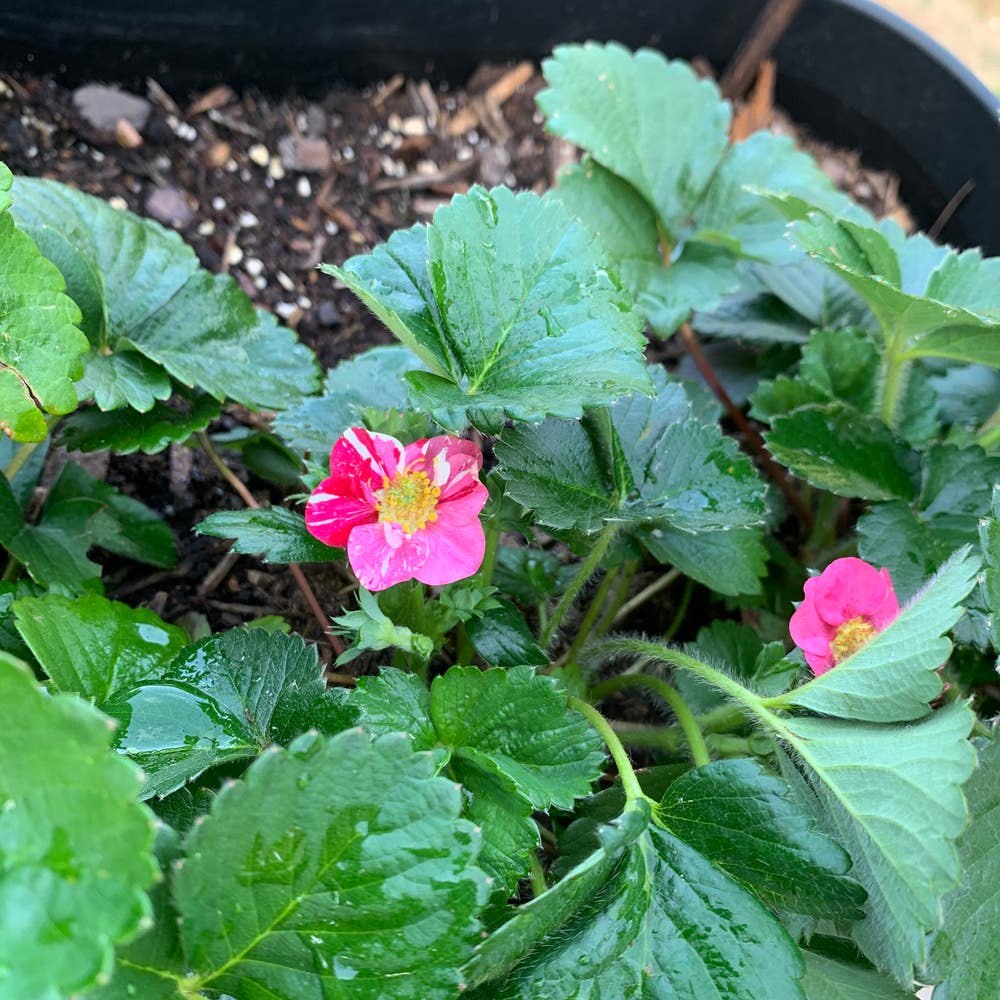
Why Are My Pink Cinquefoil Leaves Curling?
Potentilla nitida
By the Greg Editorial Team
Apr 08, 2024•6 min read
This article was created with the help of AI so we can cover more plants for you. May contain errors. See one? Report it here.
- Leaf curl signals trouble; look for discoloration or crispy edges.
- Balance water and environment to prevent stress-induced curling.
- Regular checks and care logs help maintain Pink Cinquefoil health.
Spotting the Signs of Leaf Curling
🍃 Identifying Leaf Curl: What to Look For
Leaf curl in Pink Cinquefoil isn't just a fashion statement; it's a cry for help. Look for leaves that have taken on a crumpled appearance, resembling a piece of paper that's seen better days. If your plant's leaves are more gymnast ribbon than flat foliage, it's time to play plant detective.
🔄 Differentiating Between Natural and Problematic Curling
Not all curl is a cause for concern. Natural curling is like a gentle wave, occurring as new leaves unfurl and settle in. Problematic curling, however, is the plant equivalent of a twisted ankle—forced, with accompanying symptoms like discoloration or crispy edges. Keep an eye out for these red flags; they're the difference between a quirk and a quandary.
Unraveling the Causes of Leaf Curling
💧 Thirsty Roots or Drowning? Understanding Water-Related Curl
Overwatering and underwatering can both lead to the distressing sight of curling Pink Cinquefoil leaves. Overwatering suffocates roots, causing leaves to curl downwards as they struggle to breathe. Conversely, underwatering leaves roots parched, and you'll see leaves curling upwards in a silent plea for hydration.
Signs of Overwatering vs. Underwatering
Overwatered leaves often accompany a feeling of soggy soil and may develop a yellow tinge. Underwatered plants have dry, crispy soil and the leaves may appear brittle.
How to Test Soil Moisture Accurately
Forget guesswork. Use a moisture meter or the trusty finger test—soil should feel like a wrung-out sponge. If it clings to your skin, hold off on watering. If it's dry, it's time to water.
When the Weather Outside is Frightful: Environmental Stressors
Environmental factors like temperature and wind can wreak havoc on your Pink Cinquefoil.
Recognizing Symptoms of Temperature and Wind Stress
Leaves curling and discoloration can signal temperature stress. Wind stress often results in a tattered appearance.
The Sun: Friend or Foe to Pink Cinquefoil Leaves
Too much sun can lead to scorched, curling leaves, while too little results in weak, pale foliage. Aim for a happy medium of light exposure.
Unwanted Guests: Pests and Diseases Leading to Curling
Pests and diseases are like uninvited guests at a dinner party—they disrupt the harmony and leave a mess behind.
Common Culprits: Identifying Pests and Pathogens
Keep an eye out for aphids, spider mites, and fungal infections like powdery mildew. They're notorious for causing leaf curl.
Spotting the Early Signs of Infestation or Infection
Look for subtle signs like sticky residue or fine webbing. Discoloration and spots can indicate a fungal affair. Act fast to prevent a full-blown infestation or disease spread.
Turning Over a New Leaf: Fixing the Curl
💧 Fine-Tuning Watering Habits
Watering your Pink Cinquefoil is less about sticking to a rigid schedule and more about understanding its needs. When the top inch of soil feels dry, it's time to hydrate. Think of it as a thirst quench for your plant. Overwatering is a common blunder; let the soil dry out a bit before the next watering session to prevent root rot.
🐻 The Goldilocks Principle: Not Too Much, Not Too Little
It's all about balance. Your plant's soil should feel like a wrung-out sponge—moist but not soggy. If it's more swamp than soil, you've gone too far. Conversely, if it's drier than your humor, it's time to water.
🌡️ Tools and Techniques for Perfect Watering
Invest in a moisture meter to take the guesswork out of watering. If you're forgetful, consider a self-watering pot—like autopilot for plant care. And remember, quality matters; use rainwater or distilled water to avoid harsh chemicals in tap water.
🌿 Creating a Leaf-Friendly Environment
Protect your Pink Cinquefoil from harsh elements. Stabilize the temperature and avoid placing your plant in the path of direct drafts.
🌪 Sheltering from the Storm: Protecting Against Harsh Elements
If your plant's environment feels like it's mimicking the extremes of a reality TV show, it's time to intervene. Aim for a consistent temperature that doesn't swing more wildly than your mood on a Monday morning.
☀️ Balancing Light and Shade for Optimal Growth
Sunlight is your plant's best friend, but too much can turn into a frenemy. Strike a balance between light and shade to ensure your Pink Cinquefoil doesn't get sunburned or left in the dark.
🐜 Kicking Out the Critters: Pest and Disease Control
Pests and diseases can turn your plant's leaves into a horror show. Be vigilant and act swiftly at the first sign of trouble.
🌱 Natural Remedies vs. Chemical Solutions
When possible, opt for organic treatments—they're like a gentle nudge rather than a sledgehammer to your plant's ecosystem. If you're dealing with a severe infestation, though, don't shy away from targeted insecticides. Just follow the instructions as if they were a recipe for your favorite dish.
🕵️ Implementing a Regular Inspection and Treatment Schedule
Make plant inspections a part of your routine, like brushing your teeth but with more leaf peering. Catching issues early is the key to keeping your Pink Cinquefoil in top shape.
Keeping Leaves Lush and Flat: Prevention Tactics
💧 Consistency is Key: Establishing a Watering Schedule
Watering isn't a hit-or-miss affair; it's a science with a dash of art. Craft a watering calendar that respects the plant's thirst without drowning it. Adjust for seasonal changes—more water during growth, less when it's cooler. Early morning watering? Gold. It gives leaves time to dry, shutting down the fungal disco before it starts.
🛡️ The Best Offense is a Good Defense: Environmental Protection Tips
Your Pink Cinquefoil's comfort zone is a stable environment. Avoid drastic temperature swings—they're the enemy. Rotate the pot for even growth and exposure. Mulching? Think of it as a cozy blanket for the roots. And light? Balance it like a tightrope walker, with enough shade to prevent a sunburnt leafy fiasco.
👀 Vigilance and Care: Routine Checks for Early Intervention
Be the Sherlock Holmes of plant care. Regular inspections are your magnifying glass to catch early signs of pests or disease. Pruning isn't just a haircut; it's strategic deforestation for better air flow. And cleanliness? It's not just about looking pretty—it's about denying pests and diseases an all-access pass to your plant. Keep a care log; it's the biography of your plant's life and health.
⚠️ Safety First
This content is for general information and may contain errors, omissions, or outdated details. It is not medical, veterinary advice, or an endorsement of therapeutic claims.
Always consult a qualified healthcare professional before using any plant as food, medicine, or supplement.
Never eat any plant (or feed one to pets) without confirming its identity with at least two trusted sources.
If you suspect poisoning, call Poison Control (800) 222-1222, the Pet Poison Helpline (800) 213-6680, or your local emergency service immediately.
Spotted an error? Please report it here.
Combat Pink Cinquefoil leaf curl by adjusting 🌡 your care with Greg's personalized watering and environment monitoring for plant perfection.