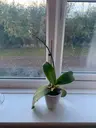
Recurve Japanese Privet
Taxonomy

Ligustrum japonicum var. recurvifolium
Ligustrum
Oleaceae
Lamiales

How to care for Recurve Japanese Privet
How often to water your Recurve Japanese Privet

every 9
Recurve Japanese Privet needs 0.5 cups of water every 9 when it doesn’t get direct sunlight and is potted in a 5" pot.
Use our water calculator to personalize watering recommendations to your environment or download Greg for more advanced recommendations for all of your plants.
Water 0.5 cups every
9
Finding light for Recurve Japanese Privet in your home

a window
Recurve Japanese Privet love being close to bright, sunny windows 😎.
Place it less than 1ft from a south-facing window to maximize the potential for growth.
Recurve Japanese Privet does not tolerate low-light 🚫.
Select your region to see how the current weather in your area affects the placement of Recurve Japanese Privet in your home 🏡.
How to fertilize Recurve Japanese Privet

Most potting soils come with ample nutrients which plants use to produce new growth.
By the time your plant has depleted the nutrients in its soil it’s likely grown enough to need a larger pot anyway.
To replenish this plant's nutrients, repot your Recurve Japanese Privet after it doubles in size or once a year—whichever comes first.
-
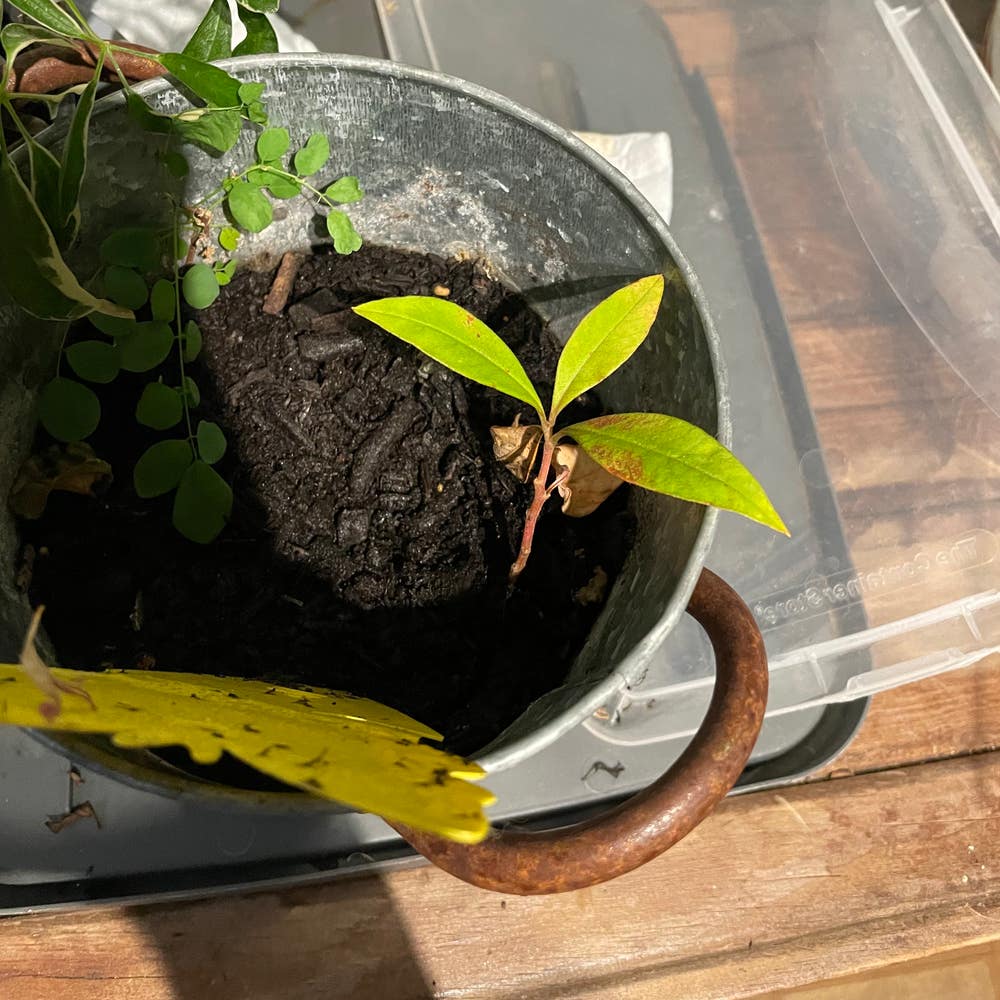
Stunted growth. Yellow-ish leaves. Planted outdoors next to two others who get the same treatment but look healthier. #WaxleafPrivet
-
It’s drying out but I water it everyday!
-
Two weeks ago the bush was full of green leaves. Not sure what happened. Any suggestions
-
Struggling wax leaf privet Does anyone have any experience with wax leaf privet hedges? My boyfriend planted a row of them and one in particular is very much struggling. Just wondering if anyone had any idea of what we could do to revive it. Thank you!
-
Any tips for propagation I keep losing them. #GardenPrivet
-
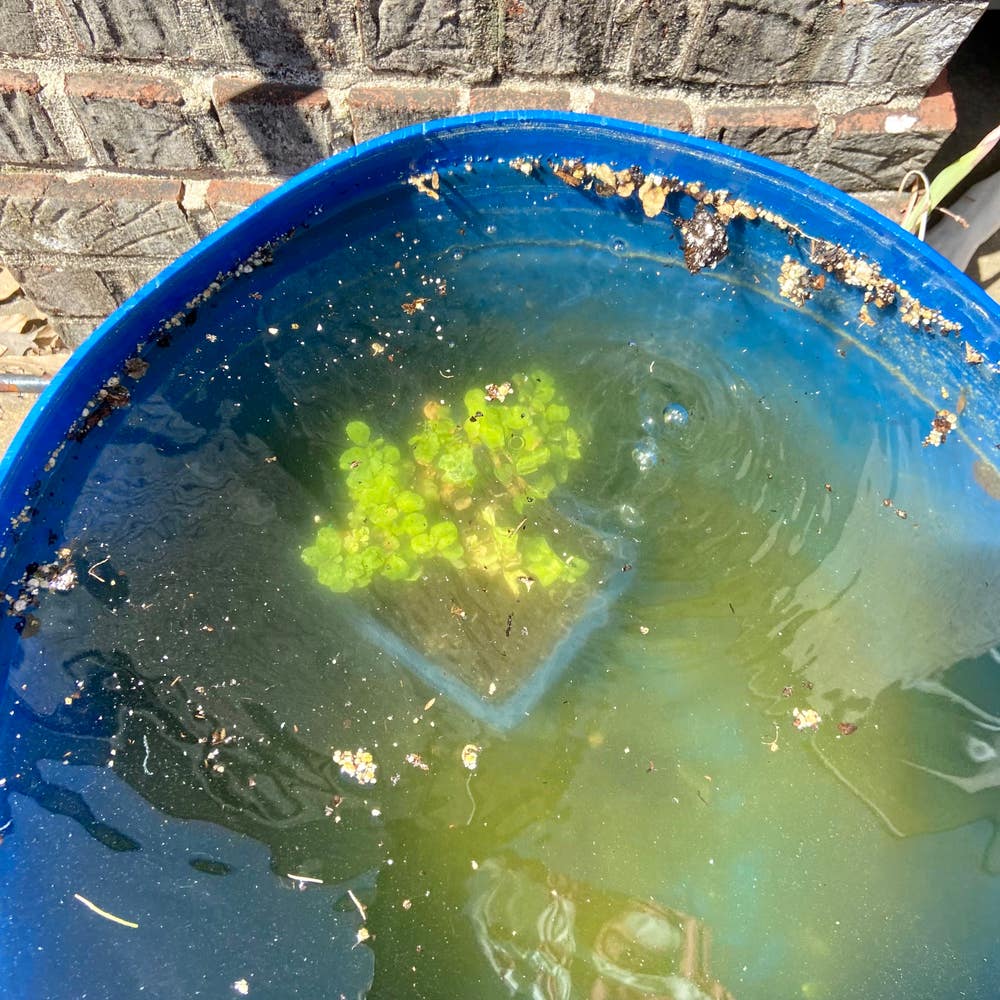
In the immortal words of the very wise @AwesomePlants - #spidermites are spiders and they breathe the air. They can't live underwater. Drowned those #StupidSpiderMites! (I'm paraphrasing.)  #SOBER 1,200 DAYS! #PestControl #NotSoHappyPlants #SurvivalOfTheFittest #PlayingWithPlantsInsteadOfWorking #PlantTherapy #PlantsSavedMyMentalHealth #PlantAddict #ForgottenPlant #SarahsGreenhouse
-
Can someone figure out what plant this is?? I found this a while ago while I was in Maine, there was a bunch of them and some were kind of taller of then this but not by that much. They had a white flower on top and I took one without a flower so they could still be pollinated (I think I gave one with a flower to the person I was visiting) and I also didn’t take any pictures of the flowering ones cause I was in a rush. I’m worried that it’s gonna die and I’m not gonna be able to figure out what it is. I kind of looked like mint in the sense of hot it didn’t have leaves to the bottom and there was a bunch of them in the area. I don’t think it’s a bushy plant because it looked pretty devolved when I saw it and it was already late into the summer. Any help is appreciated! #MaineGang #NewEnglandGregGang #PlantID #HappyPlants #PlantAddict #PropagationStation


Care Summary for Recurve Japanese Privet
Recurve Japanese Privet
 Greg recommends:
 Water
Water
0.5 cups every 9 days
 Placement
< 1ft from a window
 Nutrients
Repot after 2x growth
Based on the 4” pot your plant is in, and that it doesn’t get direct sunlight.
 Trending in your area















 Similar to Recurve Japanese Privet

✨ Discover rare plants
Philodendron 'Silver …

Hoya 'Millie'

Parrot Pitcher Plant

Anastasia Weeping Fig

Lithops

Red Mistletoe Cactus

Echeveria 'Joan Danie…

Bonsai Crassula

Hoya kalimantan

Miss All-American Bea…

Scindapsus pictus 'Si…

Sedum 'White Diamond'

Hoya pottsii 'Khao Ya…
Astroloba congesta

Hoya fitchii

Haworthia emelyae com…

Chandelier Plant