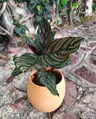
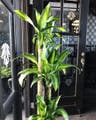
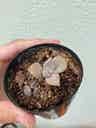
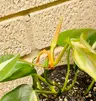
Green Blood Lily
Taxonomy

Haemanthus virescens var. pubescens
Haemanthus
Amaryllidaceae
Asparagales

How to care for Green Blood Lily
How often to water your Green Blood Lily

every 9
Green Blood Lily needs 0.5 cups of water every 9 when it doesn’t get direct sunlight and is potted in a 5" pot.
Use our water calculator to personalize watering recommendations to your environment or download Greg for more advanced recommendations for all of your plants.
Water 0.5 cups every
9
Finding light for Green Blood Lily in your home

a window
Green Blood Lily may have difficulty thriving, and will drop leaves 🍃, without ample sunlight.
Place it less than 3 feet from a south-facing window to maximize the potential for growth.
Select your region to see how the current weather in your area affects the placement of Green Blood Lily in your home 🏡.
How to fertilize Green Blood Lily

Most potting soils come with ample nutrients which plants use to produce new growth.
By the time your plant has depleted the nutrients in its soil it’s likely grown enough to need a larger pot anyway.
To replenish this plant's nutrients, repot your Green Blood Lily after it doubles in size or once a year—whichever comes first.
-
my plant is in water, is this okay? #DappledSnowbrush
-
When I received these two plants they had the name “Orchard” on the instruction card. You named them “DappledSnowbrush”. The tall stem in the middle produced a flower and is now dead. Should I cut it down? Do I care for it as a DappledSnowbrush? #DappledSnowbrush
-
Sorry I asked about this already but new developments. What is happening to this one? Getting worse.
-
Good morning anyone know why the leaf would be turning yellow? Plant is in the same place for two years, same care.
-
What kind of fertilizer is ideal for an orchid ??
-
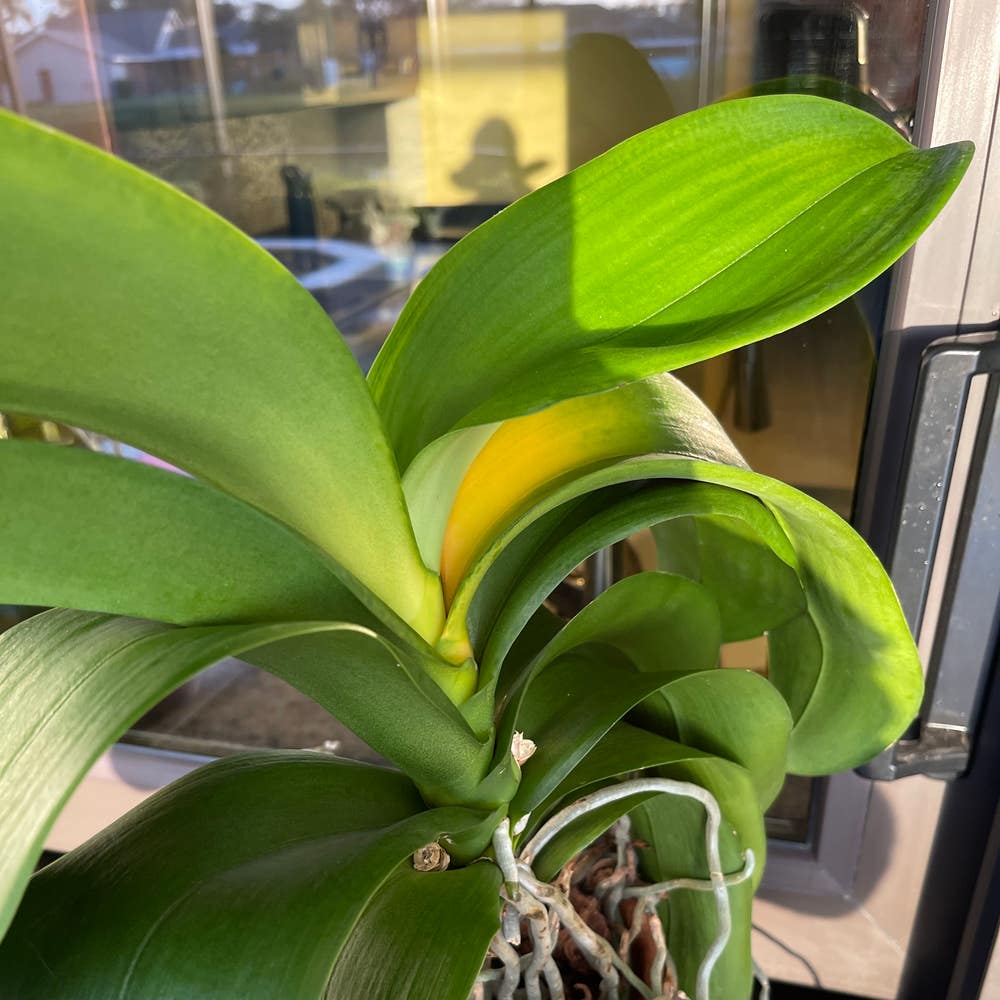
Why is the leaf turning yellow? One of the leaves is turning yellow. I just re-potted this plant. What do I need to do? Everything was all green when i re-potted. #DappledSnowbrush
-
Anyone try growing theirs like this? Mines a rescue when I got it like 90% of the roots were rotting and I had to remove. It’s done really well since I tried putting it in water #DappledSnowbrush
-
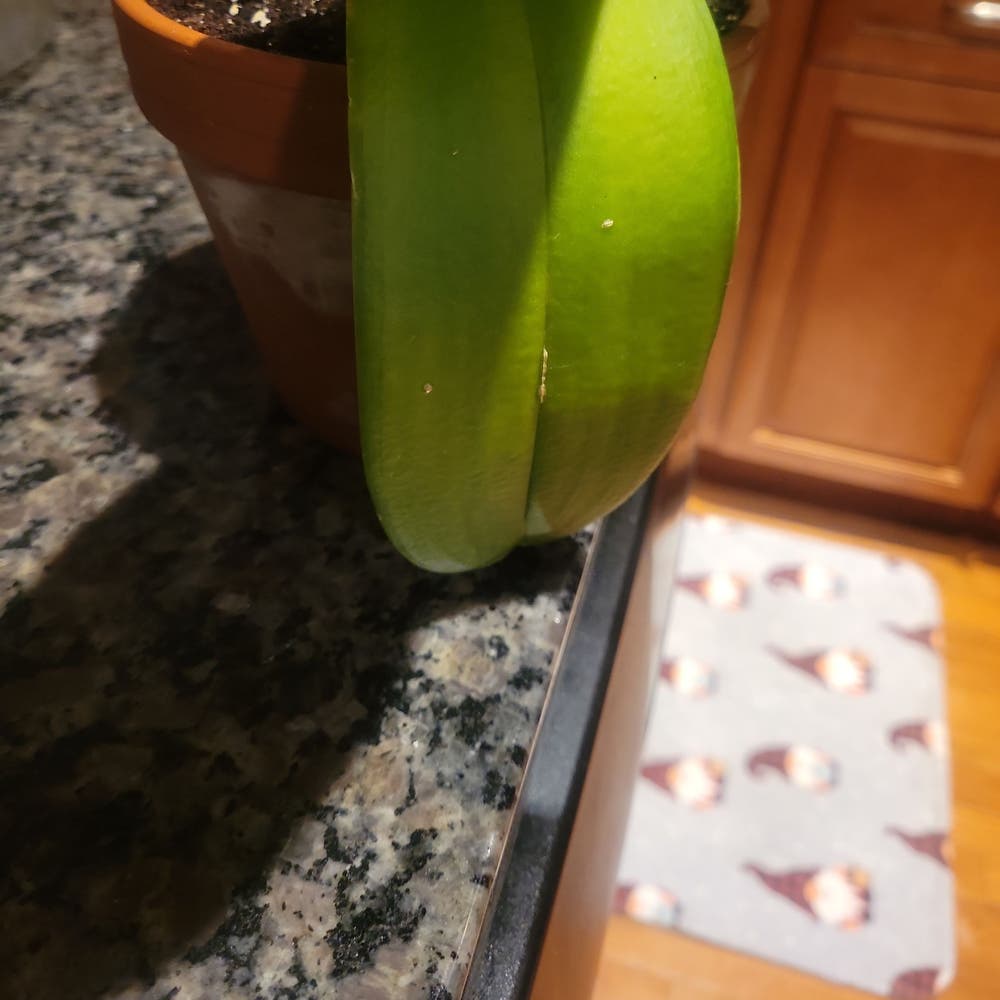
BUGS HELP!!! #DappledSnowbrush we have BUGS PEOPLE tiny ones too
-
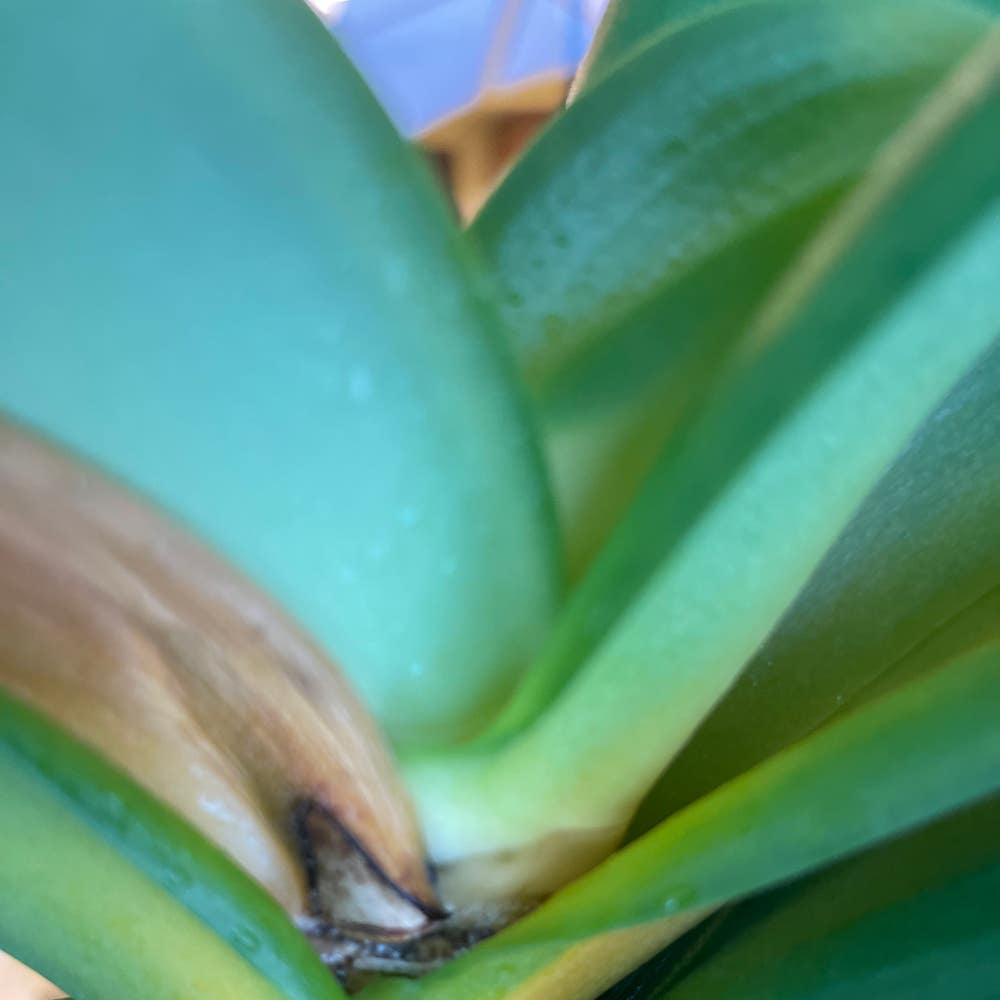
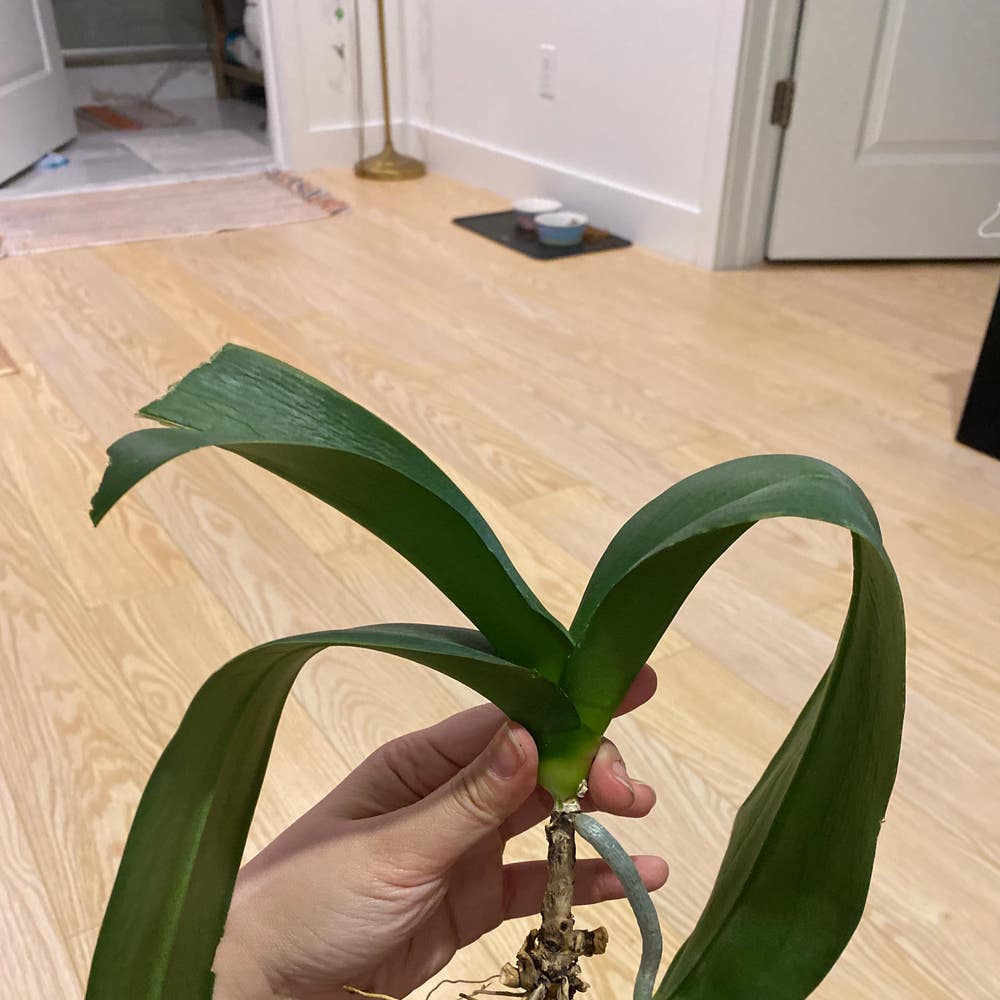
Trying to rescue this orchid. Had root rot and maybe stem rot. Can she be saved? Should I cut the ugly stem altogether #DappledSnowbrush #PhalaenopsisOrchid
-
His not not growing that much anymore what should I do? #DappledSnowbrush
Care Summary for Green Blood Lily
Green Blood Lily
 Greg recommends:
 Water
Water
0.5 cups every 9 days
 Placement
< 3ft from a window
 Nutrients
Repot after 2x growth
Based on the 4” pot your plant is in, and that it doesn’t get direct sunlight.