
Doctor Oje
About Doctor Oje
Did you know that all plants in the Ficus genus produce figs? In fact, the word Ficus quite literally means figs! Even cooler, all figs are pollinated by tiny wasps that use the fruits as a safe place to raise their young. 🐝 Ficus plants also contain latex which emerges as a milky sap when twigs are broken. This latex makes them toxic, so be sure to keep a close eye out if you have children or pets!
Taxonomy

Ficus insipida
Ficus
Moraceae
Rosales
Also known as
oje

How to care for Doctor Oje
How often to water your Doctor Oje

every 9
Doctor Oje needs 0.5 cups of water every 9 when it doesn’t get direct sunlight and is potted in a 5" pot.
Use our water calculator to personalize watering recommendations to your environment or download Greg for more advanced recommendations for all of your plants.
Water 0.5 cups every
9
Finding light for Doctor Oje in your home

a window
Doctor Oje love being close to bright, sunny windows 😎.
Place it less than 1ft from a south-facing window to maximize the potential for growth.
Doctor Oje does not tolerate low-light 🚫.
Select your region to see how the current weather in your area affects the placement of Doctor Oje in your home 🏡.
How to fertilize Doctor Oje

Most potting soils come with ample nutrients which plants use to produce new growth.
By the time your plant has depleted the nutrients in its soil it’s likely grown enough to need a larger pot anyway.
To replenish this plant's nutrients, repot your Doctor Oje after it doubles in size or once a year—whichever comes first.
-
Is this plant ok. Received in mail, very droopy #Ficus
-
Why isn't this red I got a Ruby Teneki Ficus last year. It's been in an east facing window all year so it's getting plenty of light. Just curious if anyone knows why it's white where the red should be. It still looks cool just curious as to why it lost its red #happyplants #plantsmakepeoplehappy #ficus #ficusgang
-
Sir is dropping leaves like crazy, I’ve been misting it everyday to no avail. HELP #Ficus
-
#thegreenshouse #HappyPlants #PlantsMakePeopleHappy #PlantAddict #NewGrowth #PropagationStation #SnakePlant #SnakePlantSquad #Sansevieria #SucculentLove #SucculentLove #PlantTherapy #floweringsnake #Sanserveriaflowering #PothosPack #Monstera #CalatheaCrew #Calathea #Hoya #HoyaHangout #HoyaHeads #PrayerPlant #Philodendron #VariegatedPinkLemon #ZamioculcasZamiifolia #ZzPlant #RavenZzPlant #Aglaonema #AlocasiaAddicts #Bonsai #Ficus #FiddleLeafFig #Anthurium #WhaleFinSnakePlant #ZeylanicaSnakePlant #WhitneySanserveria #SayuriSnakePlant #Cacti #AfricanMilkBush #dragonboneeuphorbia #VariegatedOpuntia , #PricklyPearCactusvariegated https:// I am a person who normally doesn’t try new sellers, but this one popped up in my Etsy (because you viewed section) and I did some research and looked at comments so I said why not…….I received such a beautiful shipment from #thegreenshouse yesterday……Richard (I assume he’s the owner) helped me pick out 3 basic plants. They arrived in perfect condition. My heart just 💕 swelled with joy. I posted his Etsy shop above. The blooming (smells like heaven) #sansevieriablackcoral has sooo many new babies and the pot is about to bust open from the new growth. #happywifehappylife
-
Got the propagated leaf the is still in perlite and moss. Will it turn into a plant or just stay a single leaf? #GregGang #Ficus #PlantsMakePeopleHappy #HappyPlants #PropagationStation
-
I think my fig is dying keeps dropping leaves, I just got her a few months ago and was told it’s normal to drop a few leaves but this isn’t looking good please help #FiddleLeafFig
-
My boyfriend gave me these plants for my birthday today💓 #HappyPlants #PlantsMakePeopleHappy #PlantAddict #FicusGang #Ficus #FicusTineke #PothosPack #SnowQueenPothos #MarbleQueenPothos #variegatedplants
-
After moved inside, leaves browning and then falling off but new leaves still growing.. but shriveled? #Ficus parents SOS 🥺
-
Recently moved apartments and unfortunately haven’t gotten a chance to update each of my plants’ new locations/conditions and they are getting much better light these days. It seems so daunting to have time to update everyone when you have so many plants 😂 That being said, my plants seem very happy with their new home. Out on the fire escape I have a bunch of my bigger babies and they seem to be thriving in their new spots. My monstera, which was really struggling at my old apartment, has come through with its first double fens leaf and I could cry I am so excited. And my ficus tineke is also powering through pushing out new leaves 🥹🥰 #HappyPlants #PlantsMakePeopleHappy #Monstera #NewGrowth #doublefens #PlantAddict #PlantTherapy #PlantMafia #OutdoorGrowing #newspace #GregGang #DMVGregGang #FicusGang #Ficus #MonsteraMob
-
My ficus audrey randomly started having drooping leaves along with 2-3 leaves turned brown and dropped off. I haven’t changed a thing: good sunlight and regular watering. Help please! What’s going on #Ficus


Care Summary for Doctor Oje
Doctor Oje
 Greg recommends:
 Water
Water
0.5 cups every 9 days
 Placement
< 1ft from a window
 Nutrients
Repot after 2x growth
Based on the 4” pot your plant is in, and that it doesn’t get direct sunlight.
 Trending in your area















 Similar to Doctor Oje


✨ Discover rare plants

Blue Moon Wisteria

Sarcochilus fitzgeral…

Hoya pottsii 'Khao Ya…

Chinese Evergreen 'Go…

Hoya kalimantan

Crassula 'Purple Drag…

Aloe 'Lavender Star'

Begonia lubbersii

Parrot Pitcher Plant

Kilimanjaro Plant
Hoya crassipetiolata

Radiator Plant
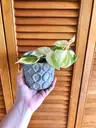
Philodendron 'Gabby'

Hoya sipitangensis
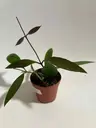
Hoya 'Memoria'

Miss All-American Bea…

Electric Fern
