👑 How to Cure Leaves Falling Over on Your Papyrus 'King Tut'
Cyperus papyrus 'King Tut'
By the Greg Editorial Team
Oct 17, 2024•3 min read
This article was created with the help of AI so we can cover more plants for you. May contain errors. See one? Report it here.
- 🌱 Environmental changes can cause drooping leaves on your Papyrus 'King Tut'.
- 💡 Inadequate light and improper watering lead to leaf droop; adjust both for health.
- 🌿 Regular checks for nutrients and moisture ensure your Papyrus thrives and stays upright.
Causes of Leaf Droop
🌬️ Environmental Stress Factors
Papyrus 'King Tut' is sensitive to its surroundings. Sudden changes in humidity or temperature can shock the plant, leading to drooping leaves.
Inadequate light exposure is another culprit. If your papyrus isn't getting enough sunlight, it may struggle to maintain its upright posture.
💧 Water-Related Issues
Watering habits play a crucial role in your plant's health. Overwatering can lead to root rot, which weakens the plant and causes leaves to droop.
On the flip side, underwatering can cause dehydration. When the roots lack moisture, the leaves will start to bend and fall over.
🍃 Nutritional Deficiencies
Nutrients are vital for a strong, healthy plant. A lack of essential nutrients can weaken the leaves, making them more susceptible to drooping.
Regularly checking your soil and fertilizing appropriately can help prevent these deficiencies. Keeping your papyrus well-fed ensures it stands tall and proud.
Understanding these causes is the first step to remedying leaf droop. Next, let’s explore the symptoms that indicate your papyrus might be struggling.
Symptoms of Unhealthy Papyrus
🌿 Visual Indicators of Drooping Leaves
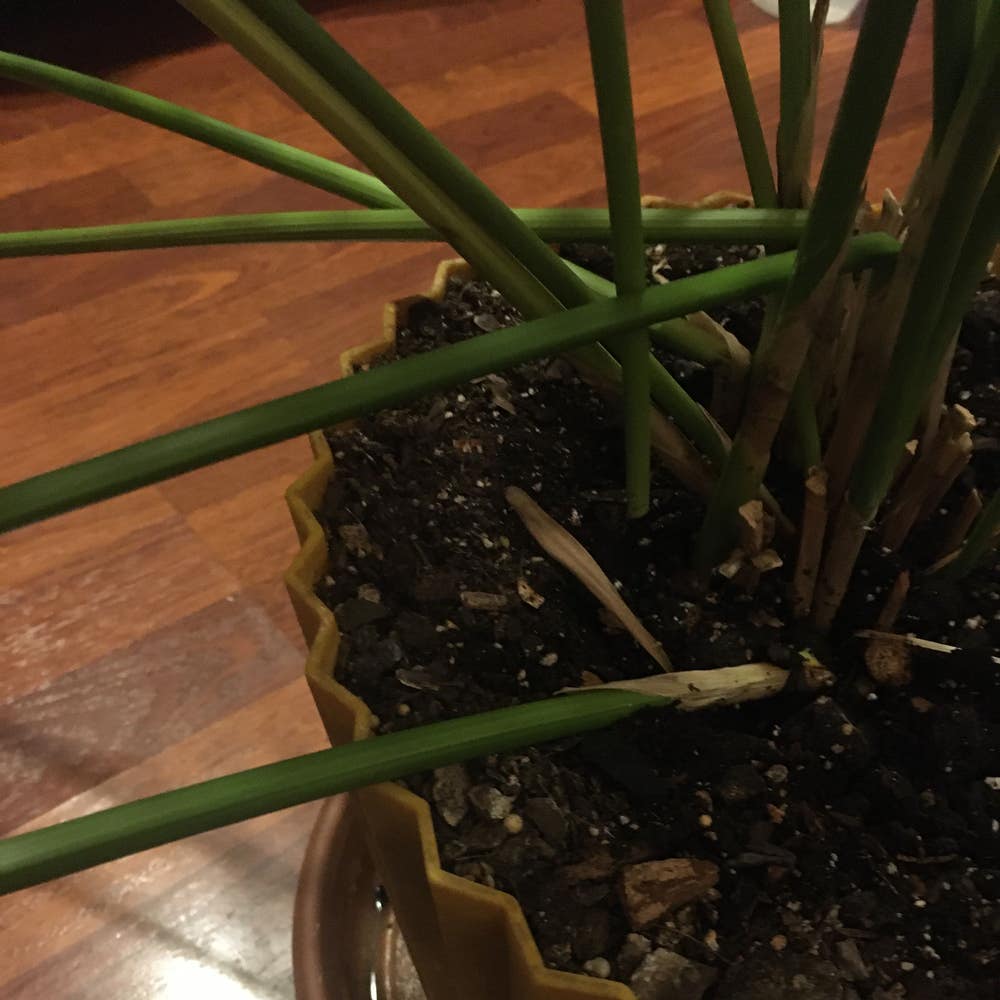
When your Papyrus 'King Tut' starts to droop, the first signs are often visible in the leaves. You might notice them bending or even falling over, which is a clear cry for help.
Additionally, keep an eye out for yellowing or browning leaf tips. This discoloration can indicate stress, signaling that your plant needs immediate attention.
🏥 Overall Plant Health Signs
Beyond the leaves, the overall health of your Papyrus can reveal much about its condition. Stunted growth or reduced height is a common symptom, suggesting that your plant isn't thriving as it should.
Weak, spindly stems are another red flag. If the stems lack strength, it’s a sign that your plant is struggling, and it’s time to reassess your care routine.
Recognizing these symptoms early can make all the difference in restoring your Papyrus to its vibrant self. With the right adjustments, you can help it flourish once again.
Preventive Measures and Best Practices
Routine Care Tips to Prevent Leaf Droop 🌿
To keep your Papyrus 'King Tut' thriving, regular monitoring of water levels and humidity is essential. This proactive approach helps you catch any issues before they escalate.
Using moisture meters can provide accurate readings of soil moisture. This tool takes the guesswork out of watering, ensuring your plant gets just the right amount of hydration.
Seasonal Adjustments for Optimal Growth 🌱
As seasons change, so should your care routine. Increasing humidity during dry seasons can significantly benefit your Papyrus.
Additionally, adjust your watering frequency based on temperature changes. Warmer weather may require more frequent watering, while cooler months might call for less.
By implementing these preventive measures, you can foster a healthier environment for your Papyrus, reducing the risk of leaf droop. Next, let’s explore the symptoms of unhealthy Papyrus to ensure you can identify any issues early on.
⚠️ Safety First
This content is for general information and may contain errors, omissions, or outdated details. It is not medical, veterinary advice, or an endorsement of therapeutic claims.
Always consult a qualified healthcare professional before using any plant as food, medicine, or supplement.
Never eat any plant (or feed one to pets) without confirming its identity with at least two trusted sources.
If you suspect poisoning, call Poison Control (800) 222-1222, the Pet Poison Helpline (800) 213-6680, or your local emergency service immediately.
Spotted an error? Please report it here.
Keep your Papyrus 'King Tut' standing tall 🌱 by using Greg's personalized reminders and moisture monitoring to ensure it thrives in a stable environment!