👑 How to Manage King Tut Papyrus Weeds
Cyperus papyrus 'King Tut'
By the Greg Editorial Team
Sep 28, 2024•7 min read
This article was created with the help of AI so we can cover more plants for you. May contain errors. See one? Report it here.
- 🌱 King Tut Papyrus is an invasive weed, disrupting ecosystems and reducing biodiversity.
- ⚔️ Control methods include manual removal and herbicides during active growth for effectiveness.
- 🔍 Early detection and monitoring are crucial for managing King Tut Papyrus infestations.
Plant Classification
Definition of Weeds and Invasive Species 🌱
Weeds are unwanted plants that aggressively invade cultivated areas, competing for resources and space. Invasive species, on the other hand, are non-native plants that disrupt local ecosystems, often outcompeting native flora and altering habitats.
Criteria for Classifying King Tut Papyrus as a Weed 🌿
King Tut Papyrus is classified as a weed due to its rapid spread. This plant can quickly dominate areas, forming dense stands that overshadow other vegetation.
Its competitive nature allows it to outcompete native plants for essential resources like sunlight, water, and nutrients. This aggressive behavior can lead to significant ecological impacts, including habitat alteration and reduced biodiversity.
In summary, King Tut Papyrus not only grows quickly but also disrupts local ecosystems, making it a prime example of a problematic weed. Understanding these characteristics is crucial for effective management and control strategies.
Next, we will delve into how to identify this invasive plant effectively.
Identification
Key Identifying Features 🌿
King Tut Papyrus is hard to miss. It can tower up to 10 feet tall, making it one of the more imposing plants in wetland areas.
Its feathery flower clusters are another giveaway. These distinctive heads are easily recognizable and add to the plant's unique appearance.
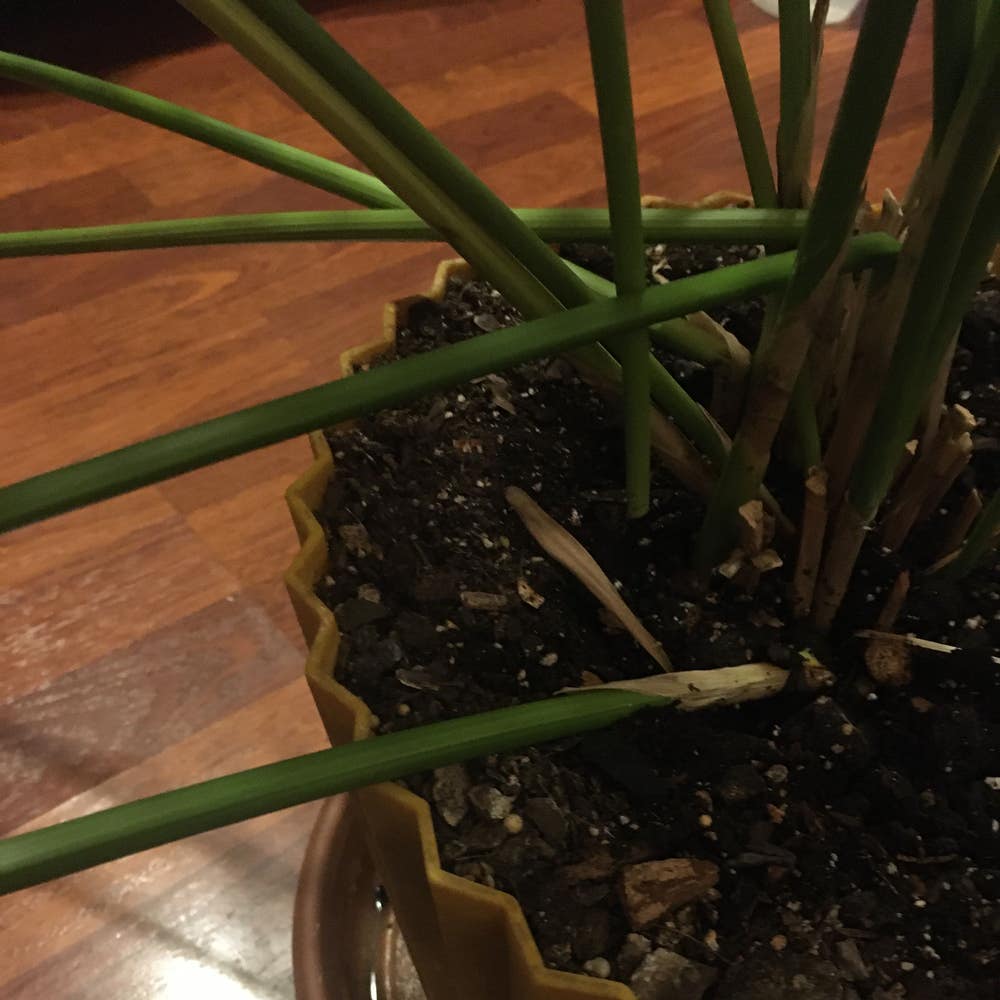
The leaf structure also sets it apart. Long, slender leaves grow in tufts, creating a lush, green backdrop that can dominate its surroundings.
Look-Alike Plants and Distinguishing Characteristics 👀
When identifying King Tut Papyrus, it's essential to know its look-alikes. Native species like bulrushes and sedges can often be found in similar habitats.
However, there are key differences. Bulrushes tend to have thicker stems and a different leaf arrangement, while sedges usually feature triangular stems and a more compact growth habit. Recognizing these traits can help you distinguish King Tut Papyrus from its native counterparts.
Understanding these identifying features is crucial for effective management. With the right knowledge, you can take steps to control its spread and protect local ecosystems.
Growth Habits and Spread
🌱 Typical Growth Patterns
King Tut Papyrus thrives in clumps, forming dense stands that dominate wet areas. This aggressive growth allows it to quickly take over spaces, especially in marshy environments.
Seasonally, it flourishes during warm months, going dormant when temperatures drop. This cycle makes it a formidable presence in suitable habitats.
🌾 Reproductive Strategies and Methods of Spread
One of the key strategies for King Tut Papyrus's spread is rhizome propagation. These underground stems allow the plant to expand its territory efficiently.
Additionally, it produces a large quantity of seeds that can be easily dispersed by water. This dual method of reproduction ensures its survival and dominance in various environments.
☀️ Environmental Conditions Favoring Growth
King Tut Papyrus prefers wet, marshy areas with ample sunlight. These conditions are ideal for its rapid growth and establishment.
Moreover, it shows remarkable tolerance for various soil types, particularly nutrient-rich substrates. This adaptability further enhances its ability to thrive in diverse ecosystems.
Understanding these growth habits and spread mechanisms is crucial for effective management. With this knowledge, we can better address the challenges posed by this invasive species.
Ecological Impact
Effects on Native Plant Communities 🌱
King Tut Papyrus competes aggressively with native species, significantly reducing biodiversity. This competition alters habitat structure, making it harder for local plants to thrive.
Displacement of Native Flora 🌾
As King Tut Papyrus spreads, it often leads to monocultures, where a single species dominates the landscape. This lack of ecological diversity can destabilize local ecosystems.
Impact on Wildlife and Biodiversity 🦉
The altered habitats created by King Tut Papyrus change food sources and nesting sites for local wildlife. This disruption can lead to a decline in native animal populations, as they struggle to adapt to the new environment.
Influence on Soil and Water Resources 💧
King Tut Papyrus can change water flow and soil composition, leading to erosion and nutrient depletion. These changes not only affect plant life but also have broader implications for the ecosystem.
Impact on Water Quality 🚰
The presence of King Tut Papyrus can disrupt nutrient cycling in water bodies. This disruption may contribute to algal blooms, which can further degrade water quality and harm aquatic life.
Understanding these ecological impacts is crucial for effective management strategies. By recognizing the far-reaching consequences of King Tut Papyrus, we can better appreciate the importance of controlling its spread and protecting our native ecosystems.
Control and Management
🌱 Manual Removal Techniques
Hand-pulling is a straightforward method for tackling small infestations of King Tut Papyrus. While it requires moderate effort, it can be quite effective if done regularly.
For larger infestations, digging out rhizomes is essential. This method is harder but ensures complete removal, preventing any chance of regrowth.
🧪 Chemical Control Options and Best Practices
Herbicides can be a powerful ally in managing King Tut Papyrus. Look for systemic herbicides that target the plant specifically, and follow the manufacturer's application guidelines closely.
Timing is crucial for chemical control. Applying herbicides during the plant's active growth phase maximizes effectiveness, so keep an eye on the seasons.
🦠 Biological Control Methods and Their Effectiveness
Introducing natural predators can be an intriguing approach to control. Potential biological control agents include specific insects that feed on the papyrus, helping to keep its growth in check.
However, there are limitations to this method. The effectiveness of biological control can vary, and it requires careful monitoring to ensure that the introduced species do not become invasive themselves.
🚫 Preventive Measures to Limit Spread
Preventing the introduction and spread of King Tut Papyrus is vital. Best practices include cleaning equipment and boats before moving between water bodies to avoid accidental transport of seeds or rhizomes.
Maintaining healthy native plant communities also plays a crucial role. A diverse ecosystem can naturally suppress the growth of invasive species, including King Tut Papyrus.
🔍 Importance of Early Detection and Rapid Response
Monitoring for early signs of King Tut Papyrus is essential. Regular checks in areas where it may thrive can lead to timely interventions.
The benefits of a rapid response are significant. Addressing infestations early can save time, resources, and the integrity of local ecosystems, making it a proactive approach worth adopting.
As we explore the legal status of King Tut Papyrus, understanding the regulations surrounding its management becomes increasingly important.
Legal Status
📜 Laws and Regulations
Understanding the legal framework surrounding King Tut Papyrus is crucial for landowners and gardeners. Local and national regulations often restrict its cultivation and sale due to its invasive nature.
Compliance with these laws helps protect native ecosystems. Ignoring regulations can lead to significant ecological consequences and potential legal repercussions.
⚖️ Requirements for Removal or Control
Land managers and homeowners must follow specific guidelines for managing King Tut Papyrus infestations. Effective removal often requires a combination of manual and chemical methods, depending on the severity of the growth.
Failure to comply with local regulations can result in penalties. Staying informed about these requirements not only aids in effective management but also supports the preservation of local biodiversity.
By understanding the legal implications, you can contribute to a healthier ecosystem while avoiding unnecessary complications.
Potential Benefits or Uses
📜 Historical Uses
King Tut Papyrus has a fascinating history, especially in ancient Egypt. It was primarily used to make paper and mats, showcasing its cultural significance and utility.
🌱 Current Beneficial Uses
Today, its uses are quite limited. Some people incorporate it into landscaping or ornamental applications, but these are often overshadowed by its invasive nature.
⚠️ Emphasis on Negative Impacts
While King Tut Papyrus has historical and some current uses, the ecological and economic drawbacks are significant. Its aggressive growth can disrupt local ecosystems, making its potential benefits seem minor in comparison.
In summary, understanding the historical context and current applications of King Tut Papyrus is essential. However, the focus should remain on managing its invasive tendencies to protect native ecosystems.
⚠️ Safety First
This content is for general information and may contain errors, omissions, or outdated details. It is not medical, veterinary advice, or an endorsement of therapeutic claims.
Always consult a qualified healthcare professional before using any plant as food, medicine, or supplement.
Never eat any plant (or feed one to pets) without confirming its identity with at least two trusted sources.
If you suspect poisoning, call Poison Control (800) 222-1222, the Pet Poison Helpline (800) 213-6680, or your local emergency service immediately.
Spotted an error? Please report it here.
Protect your garden and local ecosystems from invasive King Tut Papyrus weeds 🌿 by using Greg's personalized monitoring tips to keep your plants thriving and biodiversity intact!