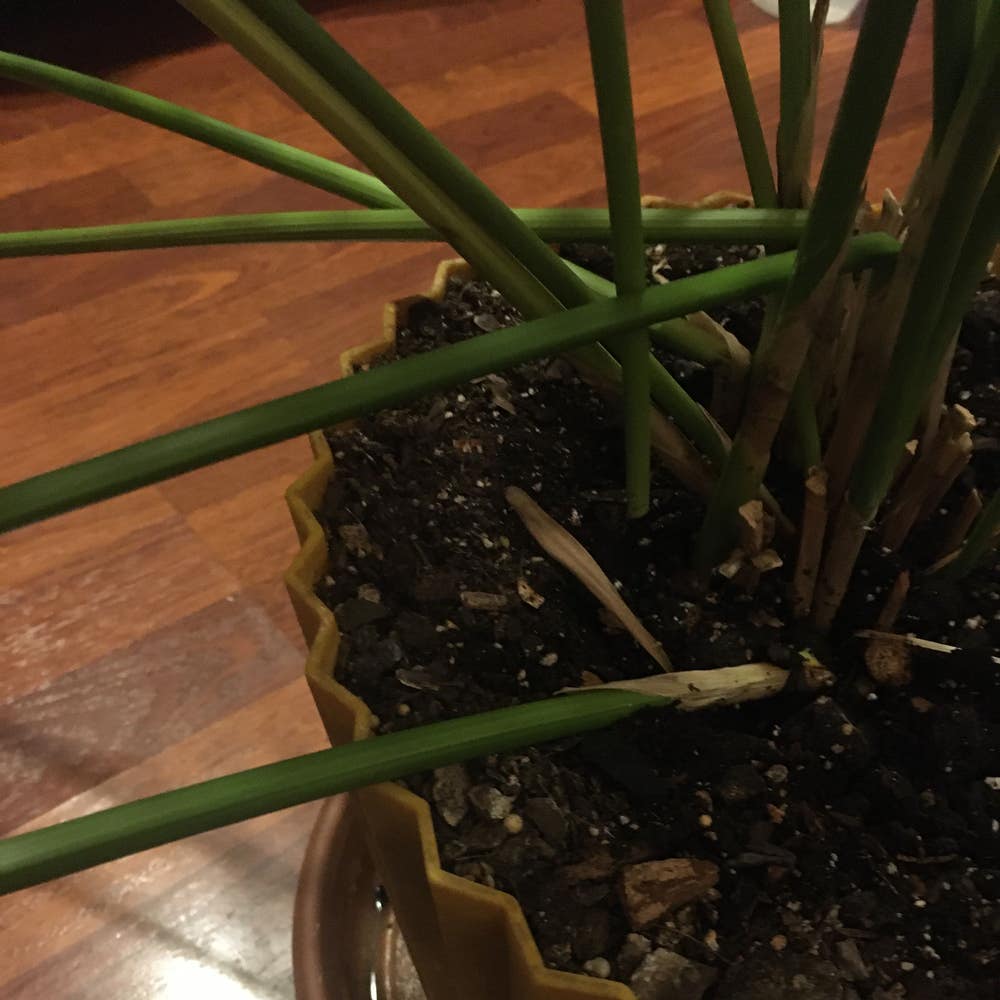
✏️ Why Your King Tut Papyrus Leaves Are Falling Over
Cyperus papyrus 'King Tut'
By the Greg Editorial Team
Sep 28, 2024•4 min read
This article was created with the help of AI so we can cover more plants for you. May contain errors. See one? Report it here.
- 💧 Overwatering and underwatering cause drooping leaves; adjust watering habits accordingly.
- 🌡️ Environmental stress like drafts harms your King Tut Papyrus; maintain stable conditions.
- 🌱 Root rot from poor drainage leads to severe leaf collapse; ensure proper drainage.
Causes of Leaf Droop
💧 Overwatering Symptoms
Overwatering is a common culprit behind drooping leaves. If you notice yellowing leaves and mushy stems, it's a clear sign your King Tut Papyrus is drowning.
🚰 Underwatering Signs
On the flip side, underwatering can also lead to droopiness. Look for crispy, brown leaf tips and wilting as indicators that your plant is thirsty.
🌪️ Environmental Stress Factors
Environmental stress can wreak havoc on your plant's health. Rapid temperature changes or drafts can cause leaves to droop, signaling that your King Tut Papyrus needs a more stable environment.
🌱 Root Issues
Root problems are often the most serious. Root rot, resulting from poor drainage, can lead to leaf collapse, making it crucial to ensure your pot has adequate drainage to keep your plant thriving.
Understanding these causes can help you take proactive steps to keep your King Tut Papyrus healthy. Next, we’ll explore the symptoms of unhealthy leaves to further identify potential issues.
Symptoms of Unhealthy Leaves
💛 Yellowing Leaves
Yellowing leaves can be a clear indicator of overwatering or a nutrient deficiency. If you notice this symptom, it’s time to assess your watering habits and consider a nutrient boost.
🤔 Browning Leaves
Browning leaves often signal underwatering or excessive sunlight exposure. If your King Tut Papyrus is getting too much sun, try relocating it to a shadier spot.
🌊 Wilting Leaves
Wilting leaves suggest that your plant isn’t getting enough water or may have root issues. Check the soil moisture and inspect the roots for any signs of trouble.
Understanding these symptoms is crucial for keeping your King Tut Papyrus healthy. By addressing these issues promptly, you can prevent further damage and promote vibrant growth.
Next, let’s explore how to identify and treat diseases that may affect your plant.
Identifying and Treating Diseases
🌱 Root Rot
Root rot is a serious issue that can devastate your King Tut papyrus. Symptoms include wilting leaves and mushy roots, indicating that your plant is drowning rather than thriving.
To prevent root rot, ensure proper drainage in your pot. Use a well-draining soil mix and avoid letting your plant sit in water. Regularly check the roots; if they appear brown and mushy, it’s time to take action.
🍂 Leaf Spot
Leaf spot manifests as brown or black spots on your papyrus leaves. This can be a sign of fungal infections, often exacerbated by poor air circulation.
To treat leaf spot, apply fungicides as directed. Additionally, improving air circulation around your plant can help prevent future outbreaks. Regularly inspect your leaves to catch any issues early, ensuring your plant stays healthy and vibrant.
By addressing these diseases promptly, you can keep your King Tut papyrus flourishing. Next, let’s explore preventive measures to maintain its health year-round.
Preventive Measures
🌱 Seasonal Care Tips
Spring: As temperatures rise, it's time to ramp up your watering routine. This is also the perfect moment to start fertilizing your King Tut papyrus to support new growth.
Summer: Keep a close eye on humidity and water levels. During extreme heat, providing shade can prevent stress and drooping leaves.
Fall: As growth slows, gradually reduce watering. This helps prepare your plant for dormancy, ensuring it stays healthy through the colder months.
🛠️ Routine Maintenance
Regular Inspections: Make it a habit to check your plant weekly for pests and signs of disease. Early detection can save your papyrus from serious issues.
Pruning: Don't hesitate to remove dead or damaged leaves. This simple act promotes healthy growth and keeps your plant looking its best.
By following these preventive measures, you can ensure your King Tut papyrus thrives throughout the seasons. Next, let’s explore how to identify and treat common diseases that may affect your plant.
⚠️ Safety First
This content is for general information and may contain errors, omissions, or outdated details. It is not medical, veterinary advice, or an endorsement of therapeutic claims.
Always consult a qualified healthcare professional before using any plant as food, medicine, or supplement.
Never eat any plant (or feed one to pets) without confirming its identity with at least two trusted sources.
If you suspect poisoning, call Poison Control (800) 222-1222, the Pet Poison Helpline (800) 213-6680, or your local emergency service immediately.
Spotted an error? Please report it here.
Keep your King Tut Papyrus thriving 🌿 by using Greg's personalized watering reminders to prevent droopy leaves and ensure it gets the care it deserves!