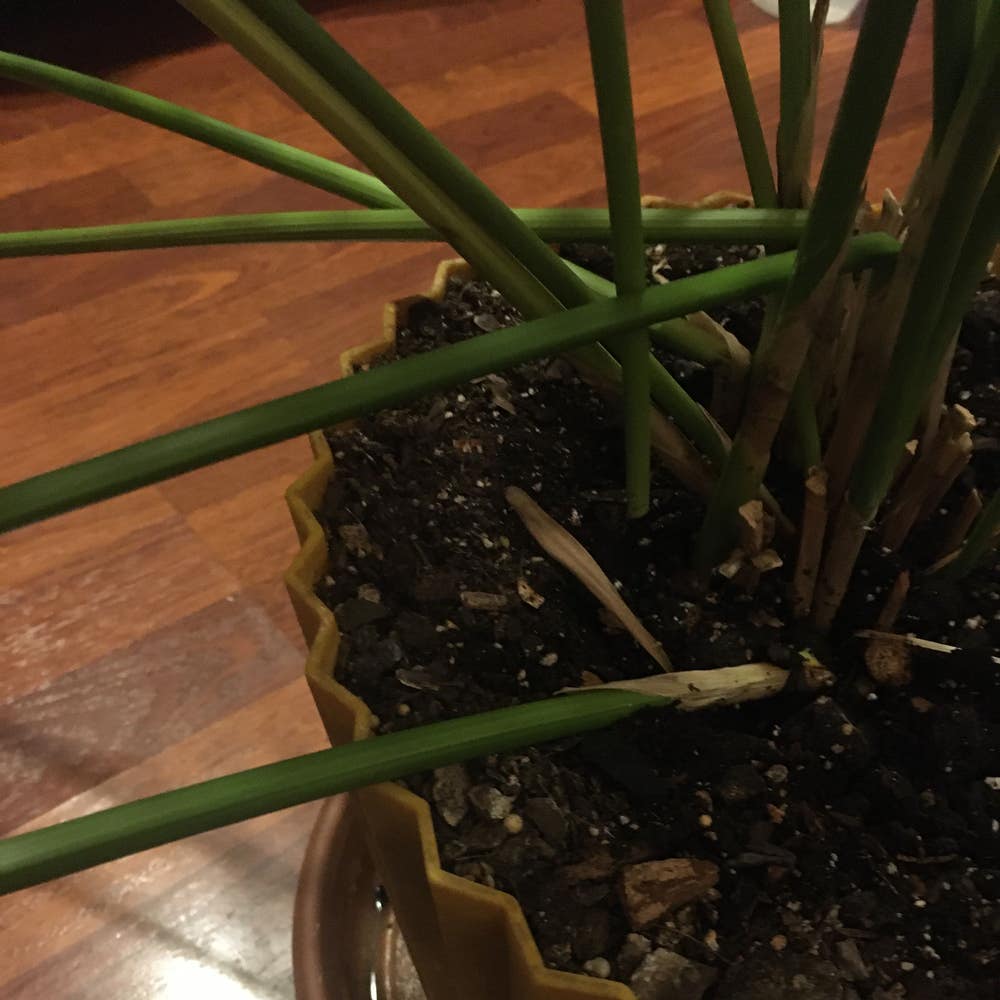
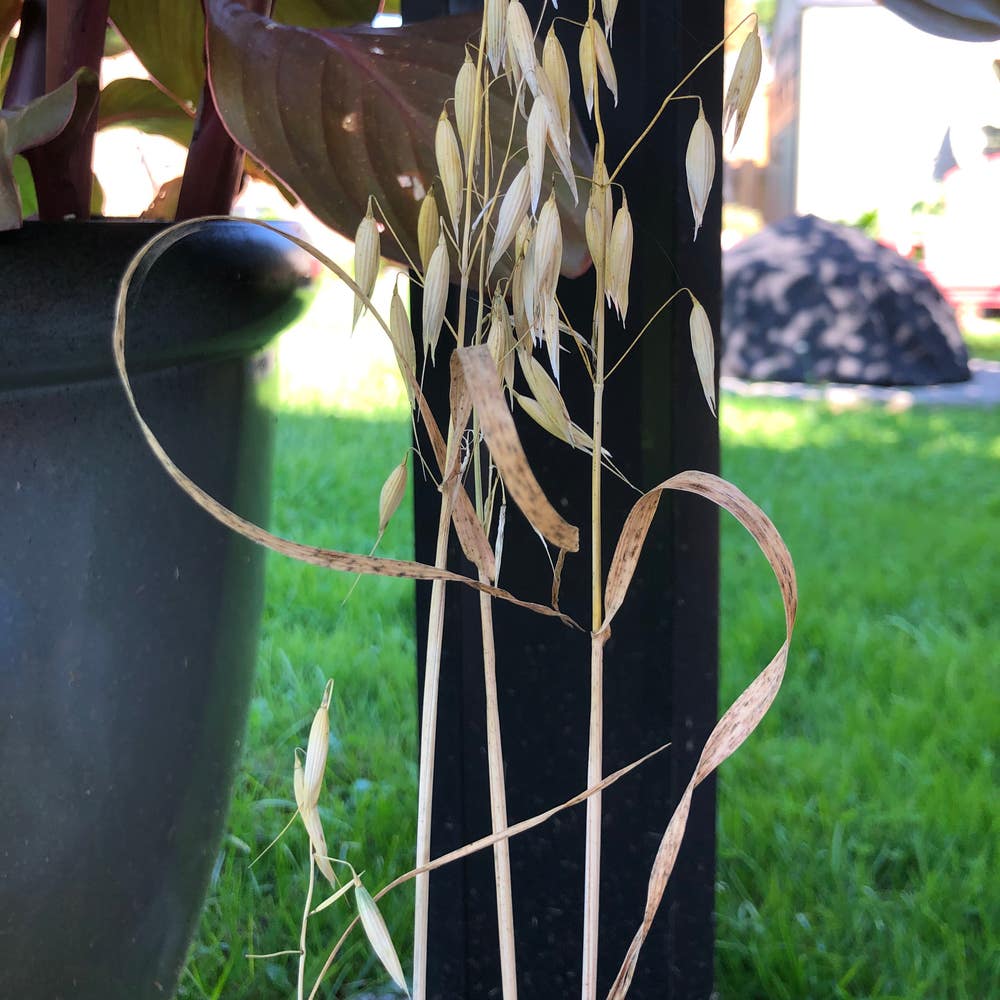
Ultimate Guide to Fixing Droopy Leaves on King Tut Papyrus 💧
Cyperus papyrus 'King Tut'
By the Greg Editorial Team
Sep 28, 2024•5 min read
This article was created with the help of AI so we can cover more plants for you. May contain errors. See one? Report it here.
- 💧 Overwatering suffocates roots, causing droopy leaves and mushy stems.
- ☀️ King Tut Papyrus needs 4-6 hours of sunlight for optimal health.
- 🌱 Nutrient deficiencies like nitrogen and potassium lead to droopy leaves.
Causes of Droopy Leaves
💧 Overwatering
Excess water can suffocate the roots of your King Tut Papyrus, leading to drooping leaves. Look for signs like yellowing leaves, mushy stems, and a foul odor emanating from the soil.
🌵 Underwatering
On the flip side, insufficient moisture can also stress your plant, causing it to droop. Signs of underwatering include wilting leaves, dry soil, and browning leaf tips.
🥦 Nutrient Deficiencies
Nutrient imbalances can significantly impact your plant's health.
Nitrogen Deficiency
This often manifests as yellowing of older leaves, indicating that your plant is not getting enough nitrogen.
Potassium Deficiency
You might notice marginal leaf burn and drooping, which signals a lack of potassium.
Iron Deficiency
Iron deficiency shows up as yellowing between leaf veins, particularly in new growth. Addressing these deficiencies is crucial for restoring your plant's vitality.
Understanding these causes is the first step toward reviving your droopy King Tut Papyrus. Next, we'll explore how to diagnose the specific issues affecting your plant.
Diagnosing the Problem
Assessing Soil Moisture Levels 🌧️
To determine if your King Tut Papyrus is suffering from droopy leaves, start by checking the soil moisture. Use a moisture meter or simply stick your finger 1-2 inches deep into the soil.
The ideal moisture level means the soil should feel consistently moist but not soggy. If it’s too wet or too dry, adjust your watering accordingly.
Evaluating Light Conditions ☀️
Next, evaluate the light conditions your plant is receiving. King Tut Papyrus thrives in full sun to partial shade, ideally getting 4-6 hours of direct sunlight each day.
If you notice stretching or leggy growth, your plant may not be getting enough light. This can lead to drooping leaves as it struggles to reach for more sunlight.
Checking Humidity Levels 💧
Humidity plays a crucial role in the health of your plant. Aim for a humidity level between 50-70% for optimal growth.
Signs of low humidity include leaf curling and drooping. If you notice these symptoms, it might be time to boost the humidity around your plant.
Identifying Pests or Diseases 🐛
Finally, check for any pests or diseases that could be affecting your King Tut Papyrus. Common pests include aphids and spider mites, which can cause significant stress to your plant.
Look for sticky residue, webbing, or visible insects as signs of infestation. Additionally, diseases like root rot and leaf spot can lead to wilting and discoloration, further contributing to droopy leaves.
By carefully assessing these factors, you can pinpoint the cause of your plant's drooping leaves and take appropriate action. Next, let’s explore effective solutions to revive your King Tut Papyrus and restore its vibrant health.
Solutions for Droopy Leaves
🌊 Adjusting Watering Practices
To tackle droopy leaves, start by assessing your current watering schedule. Note how often and how much you water your King Tut Papyrus.
Next, implement a consistent routine. Water the plant when the top inch of soil feels dry to the touch. This simple change can make a world of difference.
Consider using the Greg plant care app for reminders. It helps you stay on track, ensuring your plant gets the hydration it needs.
🕳️ Improving Soil Drainage
Soil drainage is crucial for healthy roots. Use a well-draining potting mix or aquatic soil to prevent water from pooling.
Also, ensure your pots have drainage holes. This allows excess water to escape, reducing the risk of root rot.
🌱 Fertilizing for Nutrient Balance
Nutrient balance is key to vibrant foliage. Opt for a balanced, water-soluble fertilizer to provide essential nutrients.
Apply the fertilizer every 4-6 weeks during the growing season. This regular feeding helps keep your plant thriving.
💧 Increasing Humidity
Humidity plays a significant role in leaf health. Consider using a humidity tray or misting the plant regularly to boost moisture levels.
Grouping your King Tut Papyrus with other plants can create a microclimate. This simple trick enhances humidity and promotes lush growth.
By implementing these solutions, you can revitalize your King Tut Papyrus and enjoy its stunning foliage. Next, let’s explore preventative measures to keep your plant healthy in the long run.
Preventative Measures
Best Practices for Watering 🌊
Adjust your watering frequency based on the season and environmental conditions. Regularly check soil moisture to prevent extremes, ensuring your King Tut Papyrus thrives.
Ideal Light Conditions ☀️
Ensure your plant gets adequate sunlight exposure by avoiding overly shaded areas. During extreme weather, consider moving it indoors to maintain optimal light levels.
Maintaining Humidity Levels 💧
In dry indoor environments, use humidifiers to boost moisture. Regular misting can also help maintain leaf health and prevent drooping.
Seasonal Care Tips 🍂
In spring, increase watering as growth resumes to support new leaves. During summer, monitor for increased evaporation and adjust your watering routine accordingly.
As fall and winter approach, reduce watering frequency since growth slows down. Keeping these seasonal adjustments in mind will help your King Tut Papyrus stay vibrant and healthy.
With these preventative measures, you can ensure your plant remains robust and ready to flourish. Next, let’s explore solutions for droopy leaves when they do occur.
⚠️ Safety First
This content is for general information and may contain errors, omissions, or outdated details. It is not medical, veterinary advice, or an endorsement of therapeutic claims.
Always consult a qualified healthcare professional before using any plant as food, medicine, or supplement.
Never eat any plant (or feed one to pets) without confirming its identity with at least two trusted sources.
If you suspect poisoning, call Poison Control (800) 222-1222, the Pet Poison Helpline (800) 213-6680, or your local emergency service immediately.
Spotted an error? Please report it here.
Keep your King Tut Papyrus vibrant and droop-free 🌿 by using Greg's tailored care reminders for optimal watering, sunlight, and humidity!