👑 Best Tips for Dropping Leaves on Papyrus 'King Tut'
Cyperus papyrus 'King Tut'
By the Greg Editorial Team
Oct 17, 2024•7 min read
This article was created with the help of AI so we can cover more plants for you. May contain errors. See one? Report it here.
- 🌡️ Humidity and temperature fluctuations can cause leaf drop in Papyrus 'King Tut'.
- 💧 Proper watering is essential; both overwatering and underwatering lead to leaf drop.
- ☀️ Light conditions matter; balance direct sunlight to prevent scorching or leggy growth.
Causes of Leaf Drop
🌪️ Environmental Stress Factors
Environmental stress can significantly impact your Papyrus 'King Tut'. Common stressors include sudden changes in humidity or temperature, as well as exposure to drafts or extreme weather conditions.
💧 Watering Issues
Watering is crucial for plant health, and both overwatering and underwatering can lead to leaf drop.
Overwatering
Overwatering is a common issue that manifests through yellowing leaves and mushy roots. This often results from poor drainage or excessive rainfall, leading to root rot and ultimately causing leaf drop.
Underwatering
On the flip side, underwatering can also be detrimental. Symptoms include wilting and browning leaf tips, typically caused by infrequent watering or dry conditions, which stress the plant and lead to leaf drop.
💡 Light Conditions
Light exposure plays a vital role in the health of your Papyrus 'King Tut'.
Too Much Light
Excessive light can scorch leaf edges and fade colors. This usually occurs from prolonged direct sunlight exposure, stressing the plant and resulting in leaf drop.
Too Little Light
Conversely, insufficient light leads to leggy growth and pale leaves. Weak plants are more prone to leaf drop due to inadequate light exposure.
🌡️ Temperature Fluctuations
Maintaining the right temperature is essential for your plant's well-being. The ideal range is between 20°C to 30°C (68°F to 86°F). Symptoms of stress include leaf curling and browning, often caused by sudden temperature changes or cold drafts.
💦 Humidity Levels
Humidity is another critical factor. The ideal humidity for Papyrus 'King Tut' is 60% or higher. Low humidity can cause crispy leaf edges and drooping, typically due to dry indoor air or a lack of misting and humidity trays.
Understanding these causes is the first step in preventing leaf drop. Next, we'll explore how to diagnose the issue effectively.
Diagnosing Leaf Drop
Identifying Symptoms 🌿
When diagnosing leaf drop in your Papyrus 'King Tut', start by observing visual indicators. Yellowing, wilting, and browning of leaves are key signs that something is off.
Timing also plays a role; leaf drop can follow seasonal patterns. Pay attention to when these symptoms appear to better understand their causes.
Assessing Plant Health 🌱
Next, assess the overall vigor of your plant. Look at the growth rate, leaf size, and color to gauge its health.
Healthy roots are crucial. Inspect them for signs of rot or damage, as this can significantly impact leaf retention.
Checking for Pests and Diseases 🐛
Pests can wreak havoc on your plant. Common culprits include aphids, spider mites, and mealybugs.
Watch for symptoms of infestation, such as sticky residue, webbing, or visible insects. Additionally, be aware of diseases like root rot and leaf spot diseases that can contribute to leaf drop.
Evaluating Soil Conditions 🌍
Soil quality is another critical factor. Ensure your soil is well-draining and rich in organic matter.
Signs of poor soil include compaction, poor drainage, or nutrient deficiency. Addressing these issues can help restore your plant's health and prevent further leaf drop.
By carefully diagnosing these aspects, you can take informed steps to address leaf drop in your Papyrus 'King Tut'. This proactive approach sets the stage for effective prevention and treatment strategies.
Preventing Leaf Drop
🌱 Ideal Growing Conditions
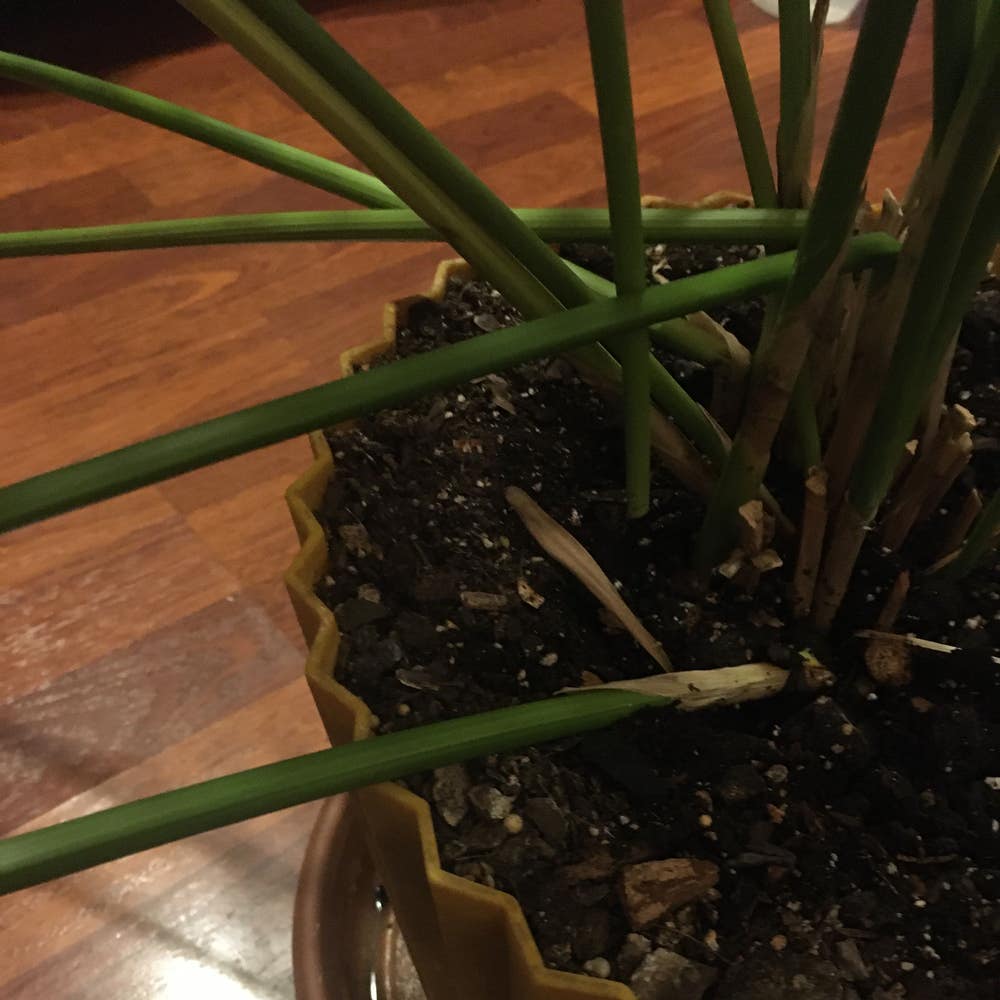
To keep your Papyrus 'King Tut' thriving, focus on consistent moisture. Ideally, the plant should be submerged in water to maintain its health.
A well-draining, loamy soil rich in organic matter is essential. This combination helps prevent root issues that can lead to leaf drop.
💧 Proper Watering Techniques
Establish a watering schedule that aligns with seasonal changes and environmental conditions. Regularly check the soil moisture to ensure it remains consistently damp.
Using moisture meters or simply testing with your finger can help gauge when to water. This proactive approach minimizes the risk of over or underwatering.
🌬️ Maintaining Humidity Levels
Humidity plays a crucial role in the health of your Papyrus. Methods like misting, using humidity trays, or placing the plant near water features can significantly boost moisture levels.
Keep an eye on humidity with hygrometers. This way, you can adjust your care routine to maintain the ideal environment.
☀️ Optimal Light Exposure
Aim for full sun to partial shade, providing 4-6 hours of direct sunlight daily. This balance ensures your plant gets enough light without becoming stressed.
If you notice signs of too much or too little light, consider moving pots or adjusting indoor lighting. Small changes can make a big difference in plant health.
🍂 Seasonal Care Adjustments
As the seasons change, so should your care routine. In spring, focus on fertilization and repotting to encourage growth.
During summer, increase watering and humidity to support the plant's active growth phase. In fall and winter, reduce watering and keep an eye out for pests, ensuring your Papyrus remains healthy year-round.
By following these preventative measures, you can create an optimal environment for your Papyrus 'King Tut' and significantly reduce the chances of leaf drop. Next, let's explore how to effectively treat leaf drop if it occurs.
Treating Leaf Drop
Step-by-Step Guide to Recovery 🌱
Assess the cause of leaf drop. Start by observing your plant closely. Look for signs of environmental stress, watering issues, or pests.
Adjust watering practices based on findings. If overwatering is the issue, reduce frequency. For underwatering, increase your watering schedule.
Modify light exposure as needed. Ensure your Papyrus 'King Tut' is getting the right amount of light. Move it to a brighter or shadier spot depending on its needs.
Increase humidity levels if low. If the air is dry, consider misting the leaves or using a humidity tray to create a more favorable environment.
Monitor for pests and diseases. Regularly check for any signs of infestation or disease. Early detection is key to effective treatment.
Recommended Fertilizers and Amendments 🌿
Types: Use balanced liquid fertilizers during the growing season to provide essential nutrients. This helps support recovery and growth.
Application frequency: Fertilize every 4-6 weeks for optimal results. This keeps your plant nourished and thriving.
Pest Control Methods 🐞
Organic options: Consider using neem oil or insecticidal soap to tackle pests. These methods are effective and less harmful to the environment.
Monitoring: Conduct regular inspections to catch any issues early. This proactive approach can save your plant from severe damage.
Disease Management Strategies 🦠
Prevention: Focus on proper watering and soil management to prevent diseases. Healthy roots are less susceptible to rot and other issues.
Treatment: If you notice affected leaves, remove them promptly. Improving air circulation around the plant can also help prevent further issues.
By following these steps, you can effectively treat leaf drop in your Papyrus 'King Tut' and restore its health. Next, let’s explore how to monitor and maintain your plant for long-term success.
Monitoring and Maintenance
Regular Check-Ups for Leaf Health 🌿
To keep your Papyrus 'King Tut' thriving, conduct weekly inspections for any signs of stress or pests. This proactive approach helps catch issues before they escalate.
Document your observations in a care journal. Tracking changes over time can reveal patterns and inform your care routine.
Seasonal Adjustments in Care 🌸
Adjust your watering and fertilization based on seasonal growth patterns. For instance, increase watering during the warmer months when the plant is actively growing.
Prepare for seasonal changes in temperature and humidity. This foresight can help maintain optimal conditions for your plant.
Tools for Monitoring Plant Health 🛠️
Invest in tools like soil moisture meters, hygrometers, and pest traps. These devices make it easier to monitor your plant's environment effectively.
Regular monitoring is crucial for early detection of issues. Catching problems early can prevent leaf drop and keep your Papyrus healthy and vibrant.
With consistent care and attention, your Papyrus 'King Tut' can flourish beautifully. Next, let’s explore effective methods for treating leaf drop when it occurs.
⚠️ Safety First
This content is for general information and may contain errors, omissions, or outdated details. It is not medical, veterinary advice, or an endorsement of therapeutic claims.
Always consult a qualified healthcare professional before using any plant as food, medicine, or supplement.
Never eat any plant (or feed one to pets) without confirming its identity with at least two trusted sources.
If you suspect poisoning, call Poison Control (800) 222-1222, the Pet Poison Helpline (800) 213-6680, or your local emergency service immediately.
Spotted an error? Please report it here.
Keep your Papyrus 'King Tut' thriving 🌿 by using Greg's personalized care reminders to maintain optimal moisture and light, ensuring those leaves stay put!