🏺 Why Papyrus 'King Tut' Is Not an Annual
Cyperus papyrus 'King Tut'
By the Greg Editorial Team
Oct 17, 2024•5 min read
This article was created with the help of AI so we can cover more plants for you. May contain errors. See one? Report it here.
- 🌱 Papyrus 'King Tut' is a perennial, thriving year after year in wetland environments.
- 🌊 It tolerates flooding and waterlogged soils, making it perfect for aquatic settings.
- 🌼 Unlike annuals, it produces seeds multiple times, enhancing garden biodiversity.
Characteristics of Papyrus 'King Tut'
🌱 Genetic Traits
Papyrus 'King Tut' is classified as Cyperus papyrus, a species renowned for its adaptability to aquatic environments. Its genetic makeup includes specific adaptations that enable it to thrive in wetland habitats, showcasing resilience against fluctuating water levels.
The plant's rhizome development is crucial for its longevity and spread. These underground stems allow 'King Tut' to establish dense colonies, ensuring its survival and propagation in suitable conditions.
💧 Physiological Traits Supporting Perennial Classification
One of the standout features of Papyrus 'King Tut' is its remarkable tolerance to flooding and waterlogged soils. This adaptation is essential for thriving in its native wetland ecosystems.
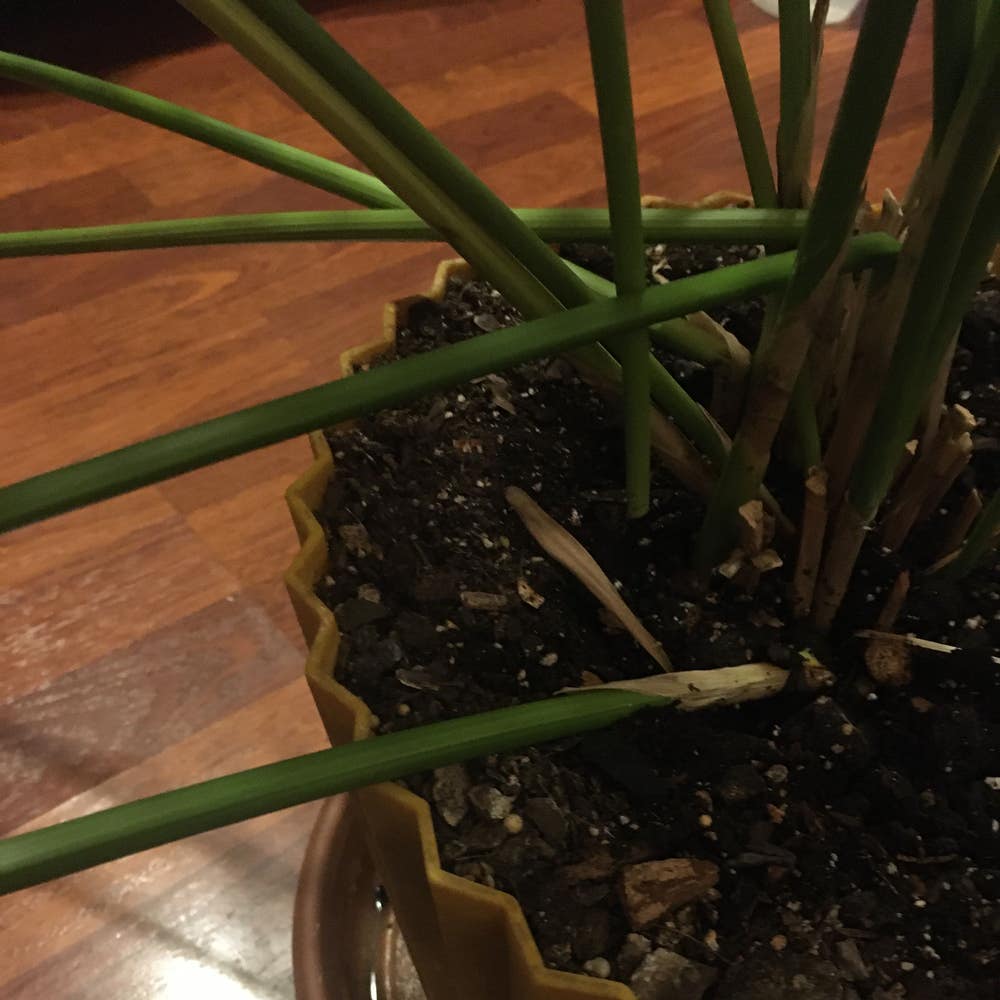
With a growth habit that can reach up to 6 feet, this plant boasts a tall, tufted appearance. Its efficiency in photosynthesis allows it to flourish in varying light conditions, making it a versatile choice for diverse garden settings.
🌿 Long-Term Lifecycle and Growth Patterns
Understanding the growth stages of Papyrus 'King Tut' is key to appreciating its perennial nature. The plant progresses from juvenile to mature stages, showcasing a dynamic lifecycle.
During warm months, it experiences active growth, while colder months prompt a period of dormancy. Additionally, its clumping behavior, facilitated by rhizome formation, leads to the establishment of dense colonies, enhancing its ecological impact.
This unique combination of genetic and physiological traits solidifies Papyrus 'King Tut' as a perennial plant, setting the stage for a deeper exploration of its lifecycle and growth patterns in the next section.
Lifecycle Comparison
Lifecycle of Papyrus 'King Tut' vs. True Annuals 🌱
Papyrus 'King Tut' boasts a multi-year lifecycle, unlike true annuals that complete their life cycle in a single season. This perennial plant undergoes distinct growth phases: establishment, maturity, and dormancy, allowing it to thrive year after year.
Growth and Flowering Cycles 🌸
The flowering of Papyrus 'King Tut' is a seasonal spectacle, with blooms that can last for months. Its unique flower heads attract various pollinators, enhancing the ecological richness of any garden.
Seed Production in Perennials vs. Annuals 🌾
When it comes to seed production, annuals typically produce seeds just once, while perennials like Papyrus 'King Tut' can generate seeds multiple times throughout their lifespan. This ability contributes to the longevity and viability of their seeds, ensuring a robust presence in the garden.
Understanding these lifecycle differences is crucial for gardeners looking to incorporate Papyrus 'King Tut' effectively. Next, we’ll explore regional variations and common misconceptions surrounding this fascinating plant.
Regional Variations and Misconceptions
🌱 Conditions Where Papyrus 'King Tut' May Be Treated as an Annual
Papyrus 'King Tut' can sometimes be misclassified as an annual due to specific climate factors. Frost and extreme temperatures can hinder its growth, leading gardeners to believe it cannot survive beyond a single season.
Water availability also plays a crucial role. In drought conditions, even this resilient plant may struggle, prompting a perception that it behaves like an annual. Understanding these influences is key to recognizing its true perennial nature.
🌍 Exceptions in Different Climates or Regions
Adaptability is one of the standout features of Papyrus 'King Tut.' In varied environments, it can exhibit different growth behaviors, thriving in some areas while appearing less robust in others.
Misidentification often stems from these regional variations. Gardeners may mistakenly label it as an annual without considering local conditions that affect its growth. Awareness of these factors can help clarify its classification and ensure proper care.
As we explore the implications of using Papyrus 'King Tut' in garden design, it's essential to appreciate its unique characteristics and adaptability.
Garden Design Implications
Advantages of Using Papyrus 'King Tut' in Perennial Planting 🌿
Papyrus 'King Tut' stands out in any garden with its impressive height and unique structure. Reaching up to 6 feet, it adds a dramatic vertical element that can transform landscapes.
Beyond aesthetics, this plant offers significant ecological benefits. It attracts pollinators, supporting local wildlife and enhancing biodiversity in your garden.
Strategies for Incorporating into Garden Design 🏡
When planning your garden, consider placing Papyrus 'King Tut' near water features or in wetland gardens. Its natural habitat thrives in moist conditions, making these locations ideal.
Companion planting is another effective strategy. Pairing Papyrus with other perennials creates a diverse ecosystem, enriching the overall garden experience and promoting healthy growth.
Incorporating Papyrus 'King Tut' into your garden not only elevates its beauty but also fosters a vibrant environment for wildlife. With thoughtful placement and companion choices, you can create a stunning, sustainable landscape.
Transitioning to the next topic, let's explore management tips to ensure the longevity of this remarkable plant.
Management Tips for Longevity
🌱 Best Practices for Managing as a Perennial
Maintaining optimal moisture levels is crucial for Papyrus 'King Tut.' This plant thrives in wet conditions, so ensure the soil remains consistently damp, especially during dry spells.
Fertilization is another key aspect of care. Use a balanced fertilizer during the growing season to support sustained growth and vibrant foliage.
🚀 Tips for Maximizing Growth and Longevity
Adjust your care practices based on seasonal changes. In warmer months, increase watering frequency, while in colder months, reduce it to prevent root rot.
Pest management is essential for keeping your Papyrus healthy. Regularly inspect for common pests and employ preventative measures to protect against infestations.
By following these management tips, you can enjoy the beauty and benefits of Papyrus 'King Tut' for years to come. Next, let's explore how to incorporate this stunning plant into your garden design effectively.
⚠️ Safety First
This content is for general information and may contain errors, omissions, or outdated details. It is not medical, veterinary advice, or an endorsement of therapeutic claims.
Always consult a qualified healthcare professional before using any plant as food, medicine, or supplement.
Never eat any plant (or feed one to pets) without confirming its identity with at least two trusted sources.
If you suspect poisoning, call Poison Control (800) 222-1222, the Pet Poison Helpline (800) 213-6680, or your local emergency service immediately.
Spotted an error? Please report it here.
Embrace the perennial beauty of Papyrus 'King Tut' 🌿 by using Greg's tailored care reminders to keep it thriving in your garden for years to come!