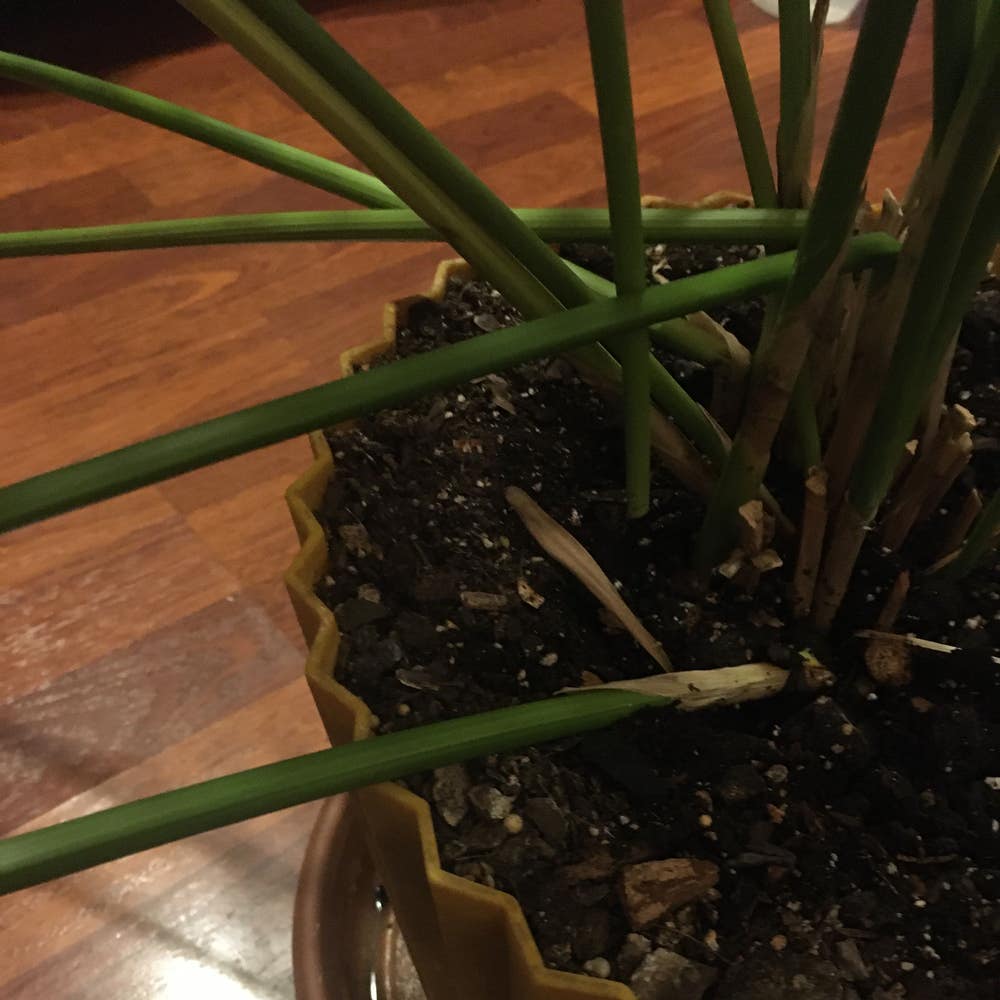
🏺 Why King Tut Papyrus Is A Perennial Plant
Cyperus papyrus 'King Tut'
By the Greg Editorial Team
Sep 28, 2024•5 min read
This article was created with the help of AI so we can cover more plants for you. May contain errors. See one? Report it here.
- 🌱 King Tut Papyrus thrives year-round, offering consistent beauty in gardens.
- 🌞 Grows up to 10 feet tall in spring, showcasing impressive seasonal growth.
- 💧 Requires nutrient-rich, moist soil and proper care for optimal longevity.
Characteristics of King Tut Papyrus
🌱 Multi-Year Lifecycle
King Tut Papyrus is a remarkable perennial plant that thrives over several seasons. Its multi-year lifecycle allows it to flourish year after year, making it a favorite among gardeners.
🚀 Growth Cycle
This plant kicks off its growth cycle with a burst of energy in the spring, often reaching impressive heights of up to 10 feet. The rapid growth during this time is a sight to behold, as it transforms the garden landscape.
🌿 Growth Patterns and Regrowth from Roots
One of the standout features of King Tut Papyrus is its ability to regrow from established roots each year. This regrowth mechanism ensures that the plant remains consistent and vibrant, even as seasons change.
☀️ Seasonal Growth Patterns
During the warm months, you can expect rapid growth, while cooler temperatures may slow things down or even lead to dormancy. This adaptability allows the plant to thrive in various climates, making it a versatile choice for many gardens.
In summary, the characteristics of King Tut Papyrus not only highlight its beauty but also its resilience. Understanding these traits can help you appreciate its role in your garden and prepare for its seasonal changes.
Impact of Perennial Nature on Growth and Lifespan
Effects on Growth and Flowering 🌸
King Tut Papyrus is known for its stunning feathery flower clusters that bloom at the top, typically in late summer. This perennial nature ensures that these beautiful displays occur consistently each year, thanks to the established root systems that support robust growth.
Overall Lifespan and Longevity Factors ⏳
With proper care, King Tut Papyrus can thrive for several years, making it a valuable addition to any garden. Key factors influencing its longevity include soil quality, water availability, and climate conditions, all of which play a crucial role in maintaining its health and vibrancy.
Understanding these aspects of growth and lifespan can help gardeners appreciate the long-term benefits of cultivating King Tut Papyrus. As we explore dormancy and seasonal changes next, we'll see how these factors further influence the plant's lifecycle.
Dormancy and Seasonal Changes
Description of Dormancy Periods 🌬️
King Tut Papyrus may enter a dormant phase during the colder months. This natural process reduces growth and energy consumption, allowing the plant to conserve resources.
Signs of dormancy are quite noticeable. You’ll see yellowing leaves and a reduction in height as the plant prepares for the chillier weather.
Seasonal Changes in Growth and Appearance 🍂
The growth patterns of King Tut Papyrus are distinctly seasonal. It thrives actively in spring and summer, while it shifts into dormancy during fall and winter.
Visually, the plant undergoes a significant transformation. It transitions from lush green foliage to a more subdued appearance, reflecting its seasonal changes and resilience.
Understanding these dormancy and seasonal changes is crucial for effective garden planning. This knowledge sets the stage for maximizing the benefits of King Tut Papyrus in your landscape design.
Advantages for Gardeners
🌱 Benefits of Reduced Replanting
King Tut Papyrus is a fantastic long-term investment for gardeners. Once established, it requires less frequent replanting, which saves both time and resources.
This perennial nature also translates to cost-effectiveness. With fewer purchases of new plants, your gardening budget can stretch further, allowing for more creativity in your garden design.
🌳 Importance of Established Root Systems
The established root systems of King Tut Papyrus provide remarkable stability and resilience. This means the plant can better withstand environmental stressors, such as drought or heavy rain.
Moreover, strong roots enhance nutrient uptake. This promotes healthier growth, ensuring your garden remains vibrant and lush throughout the seasons.
Transitioning from the benefits of King Tut Papyrus, let’s explore how its behavior varies across different climate zones.
Variations in Behavior Across Climate Zones
🌍 Differences in Behavior in Various Climates
King Tut Papyrus is remarkably adaptable, thriving in a variety of climate zones. However, its growth patterns can differ significantly based on environmental conditions.
In warmer climates, you can expect year-round growth, with the plant flourishing and reaching impressive heights. Conversely, in cooler climates, the papyrus may enter a more pronounced dormancy, slowing down its growth during the colder months.
🌱 Factors Influencing Growth in Different Conditions
Soil type plays a crucial role in the health of King Tut Papyrus. While it prefers nutrient-rich, moist conditions, this plant is surprisingly tolerant and can adapt to various soil types.
Water availability is another key factor. King Tut Papyrus thrives in shallow water, making it an excellent choice for wetland gardens. This adaptability not only enhances its resilience but also allows gardeners to incorporate it into diverse landscapes.
Understanding these variations can help you make informed decisions about planting and caring for King Tut Papyrus in your garden. As we explore the next section, we'll look at how to maximize the benefits of this versatile plant in your garden planning.
Maximizing Benefits in Garden Planning
🌱 Tips for Long-Term Cultivation
To cultivate King Tut Papyrus successfully, start with soil preparation. Ensure you have nutrient-rich, moist soil to promote optimal growth.
Water management is equally crucial. Maintaining shallow water levels will support the plant's needs and encourage vigorous development.
🎨 Strategies for Integrating into Garden Designs
Consider companion planting to enhance your garden's aesthetic. Pair King Tut Papyrus with other moisture-loving plants for a harmonious look.
Design considerations can elevate your garden's appeal. Use King Tut Papyrus as a focal point in water features or wetland gardens to create a stunning visual impact.
With these strategies, you can maximize the benefits of King Tut Papyrus in your garden, ensuring it thrives while adding beauty to your landscape.
⚠️ Safety First
This content is for general information and may contain errors, omissions, or outdated details. It is not medical, veterinary advice, or an endorsement of therapeutic claims.
Always consult a qualified healthcare professional before using any plant as food, medicine, or supplement.
Never eat any plant (or feed one to pets) without confirming its identity with at least two trusted sources.
If you suspect poisoning, call Poison Control (800) 222-1222, the Pet Poison Helpline (800) 213-6680, or your local emergency service immediately.
Spotted an error? Please report it here.
Transform your garden with the stunning resilience 🌱 of King Tut Papyrus, and let Greg provide tailored care reminders to help your plant flourish through every season!