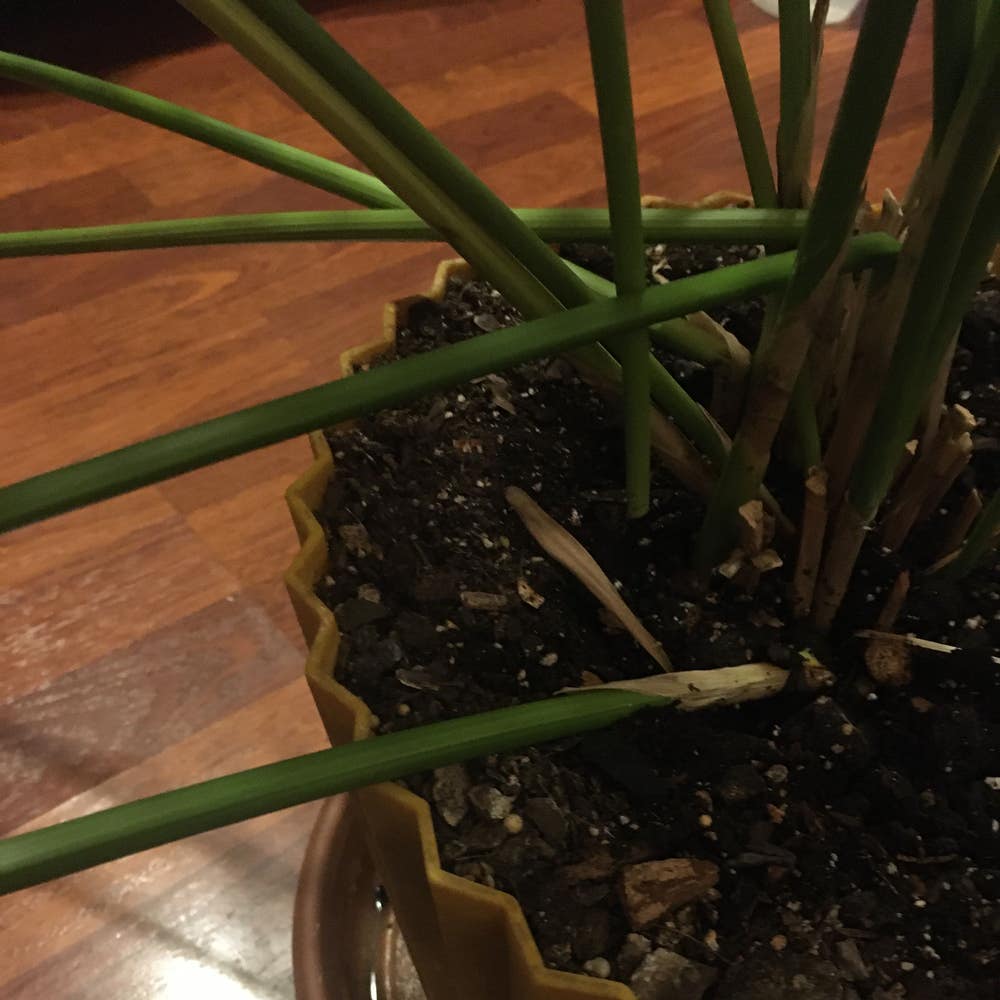
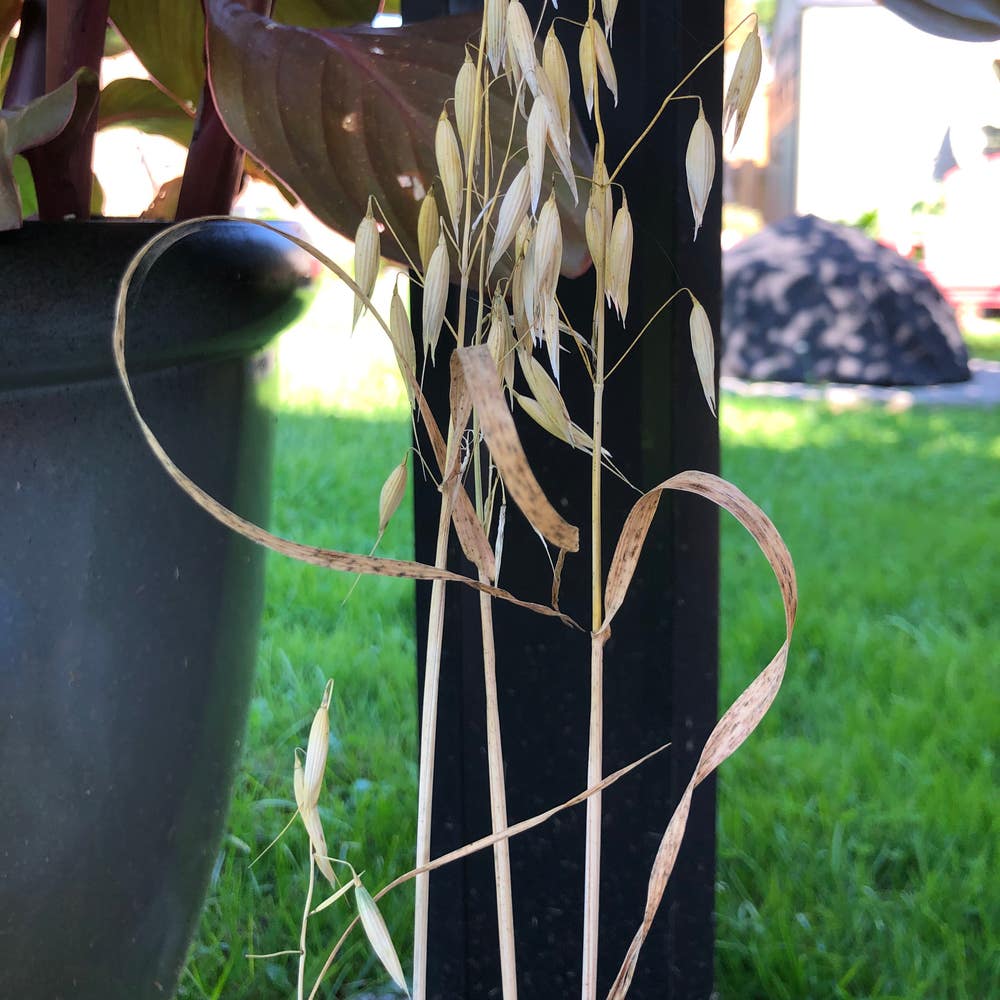
👑 Why Your King Tut Papyrus Leaves Are Dropping
Cyperus papyrus 'King Tut'
By the Greg Editorial Team
Sep 28, 2024•3 min read
This article was created with the help of AI so we can cover more plants for you. May contain errors. See one? Report it here.
- 🌡️ King Tut papyrus thrives in 70°F to 90°F; avoid temperature fluctuations.
- 💧 Overwatering and underwatering both cause leaf drop; maintain consistent soil moisture.
- 🌞 Ensure 6-8 hours of sunlight daily to prevent leggy growth and yellowing leaves.
Causes of Leaf Drop
🌪️ Environmental Stress Factors
Temperature Fluctuations
Maintaining the right temperature is crucial for your King Tut papyrus. The ideal range is between 70°F to 90°F (21°C to 32°C); anything outside this can lead to stress.
Watch for symptoms like yellowing leaves, wilting, and leaf drop. To mitigate these issues, keep temperatures stable and avoid drafts that can shock your plant.
Light Exposure Issues
Light is another key factor in your plant's health. King Tut papyrus thrives in full sun to partial shade, ideally receiving 6-8 hours of sunlight daily.
If you notice leggy growth, pale leaves, or leaf drop, your plant may not be getting enough light. Adjust its placement to ensure it receives adequate exposure.
💧 Watering Issues
Overwatering Symptoms
Overwatering can be detrimental to your papyrus. Signs include yellowing leaves, mushy stems, and root rot.
To combat this, allow the soil to dry slightly between waterings and improve drainage to prevent waterlogging.
Underwatering Symptoms
Conversely, underwatering can also cause issues. Look for browning leaf tips, wilting, and leaf drop as indicators.
If you suspect underwatering, increase your watering frequency and ensure the soil remains consistently moist.
🥦 Nutrient Deficiencies
Signs of Nutrient Deficiency
Nutrient deficiencies can lead to significant problems for your plant. Common symptoms include yellowing leaves, stunted growth, and leaf drop.
Pay attention to specific deficiencies, particularly nitrogen, potassium, and magnesium, as they are vital for healthy growth.
Recommended Fertilizers
Using the right fertilizer can make a big difference. Opt for balanced, slow-release fertilizers with an NPK ratio of 10-10-10.
Apply every 4-6 weeks during the growing season to keep your plant nourished and thriving.
🐛 Pest Infestations
Common Pests Affecting Papyrus
Pests can wreak havoc on your King Tut papyrus. Common culprits include aphids, spider mites, and mealybugs.
Signs of infestation are sticky residue, webbing, and visible pests on the leaves. Keep an eye out for these indicators to catch issues early.
Identification and Treatment
Identifying and treating pests promptly is essential. Control methods include neem oil, insecticidal soap, and introducing beneficial insects to your garden.
These strategies can help keep your plant healthy and pest-free.
🔍 Diagnosing Leaf Drop Issues
Step-by-Step Diagnosis
Diagnosing leaf drop requires careful observation. Start with a checklist of symptoms: yellowing, wilting, browning tips, and overall plant health.
Identifying specific symptoms helps narrow down the potential causes, making it easier to address the issue.
Assessing Environmental Conditions
Next, assess the environmental conditions affecting your plant. Consider factors like temperature, light, humidity, and watering practices.
Using tools like a thermometer and hygrometer can provide accurate readings to help you make necessary adjustments.
⚙️ Troubleshooting Common Problems
Quick Fixes for Common Issues
For quick fixes, address overwatering by reducing frequency and improving drainage. If underwatering is the issue, increase watering and regularly check soil moisture.
These simple adjustments can often resolve immediate concerns.
Long-Term Solutions
Establishing a consistent care routine is vital for long-term health. Regular watering, fertilization, and monitoring will keep your plant thriving.
Additionally, adjusting environmental conditions ensures optimal light and humidity levels, creating a supportive environment for growth.
⚠️ Safety First
This content is for general information and may contain errors, omissions, or outdated details. It is not medical, veterinary advice, or an endorsement of therapeutic claims.
Always consult a qualified healthcare professional before using any plant as food, medicine, or supplement.
Never eat any plant (or feed one to pets) without confirming its identity with at least two trusted sources.
If you suspect poisoning, call Poison Control (800) 222-1222, the Pet Poison Helpline (800) 213-6680, or your local emergency service immediately.
Spotted an error? Please report it here.
Keep your King Tut papyrus thriving 🌿 by using Greg's tailored reminders and expert tips to maintain optimal care and prevent leaf drop!