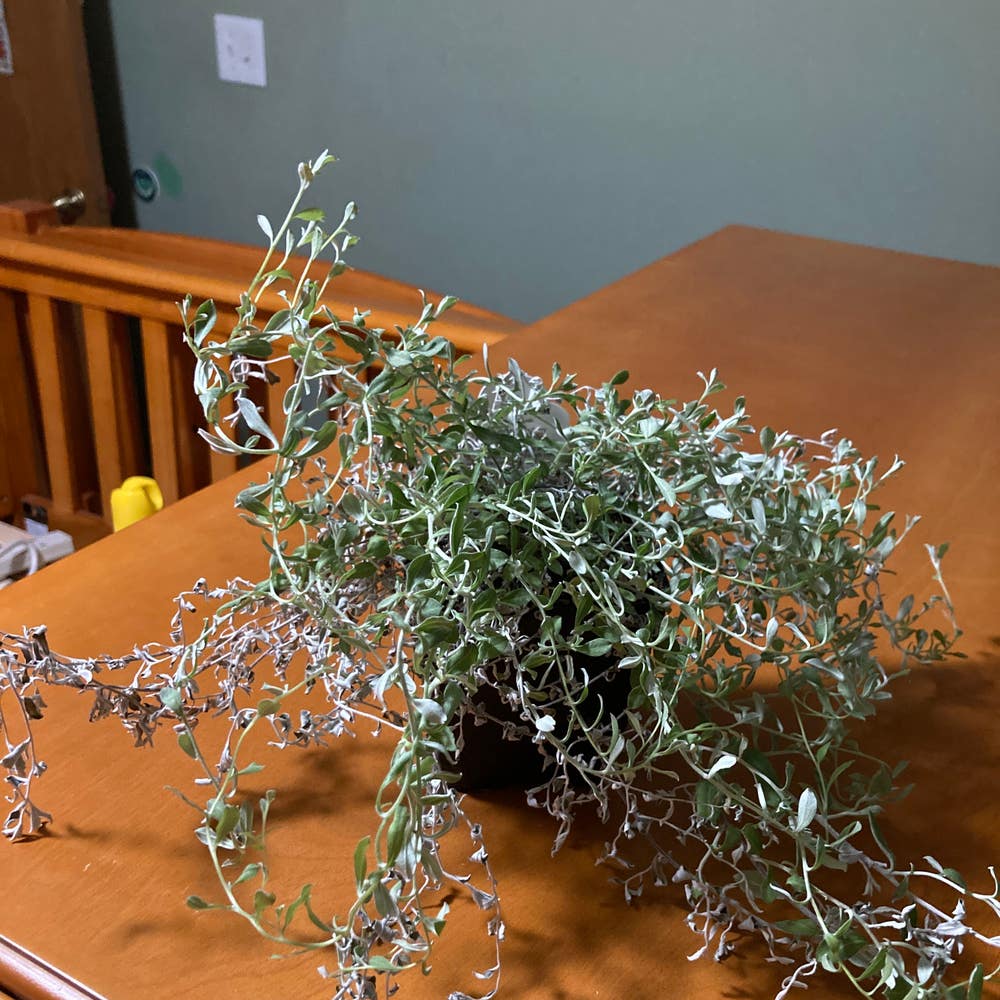
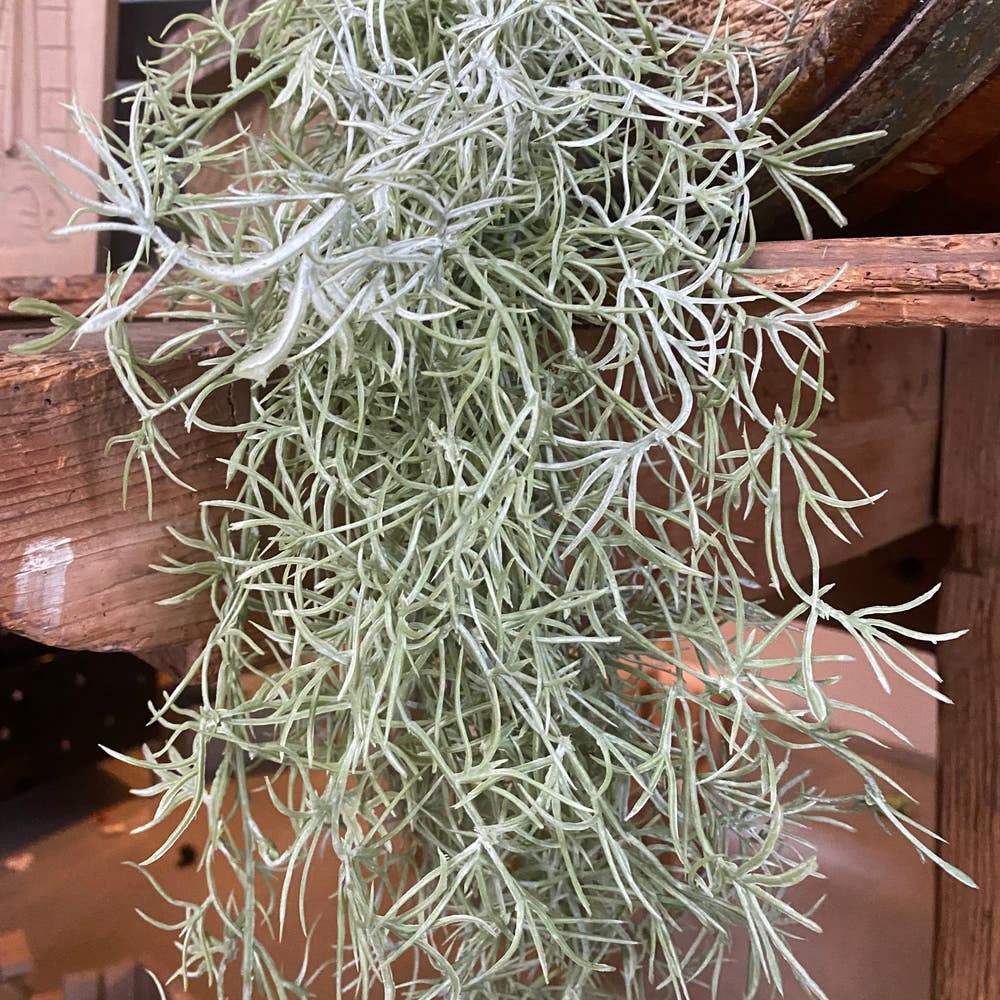
Should I Repot My Helichrysum 'Red Jewel' And If So, How?
Helichrysum amorginum 'Red Jewel'
By the Greg Editorial Team
Apr 27, 2024•5 min read
This article was created with the help of AI so we can cover more plants for you. May contain errors. See one? Report it here.
Revitalize your 'Red Jewel' 🌺 with the right repotting know-how for lush, unstoppable growth!
- Root crowding and wilted leaves signal it's repotting time.
- Spring repotting aligns with the 'Red Jewel's growth phase.
- Choose the right pot: 1-2 inches larger, with drainage.
When to Give Your 'Red Jewel' a New Home
🌱 Spotting the Telltale Signs
Root crowding is a clear distress signal from your Helichrysum 'Red Jewel'. If you spot roots pushing through the drainage holes or notice a dense root mat when you lift the plant slightly, it's time to consider a new pot.
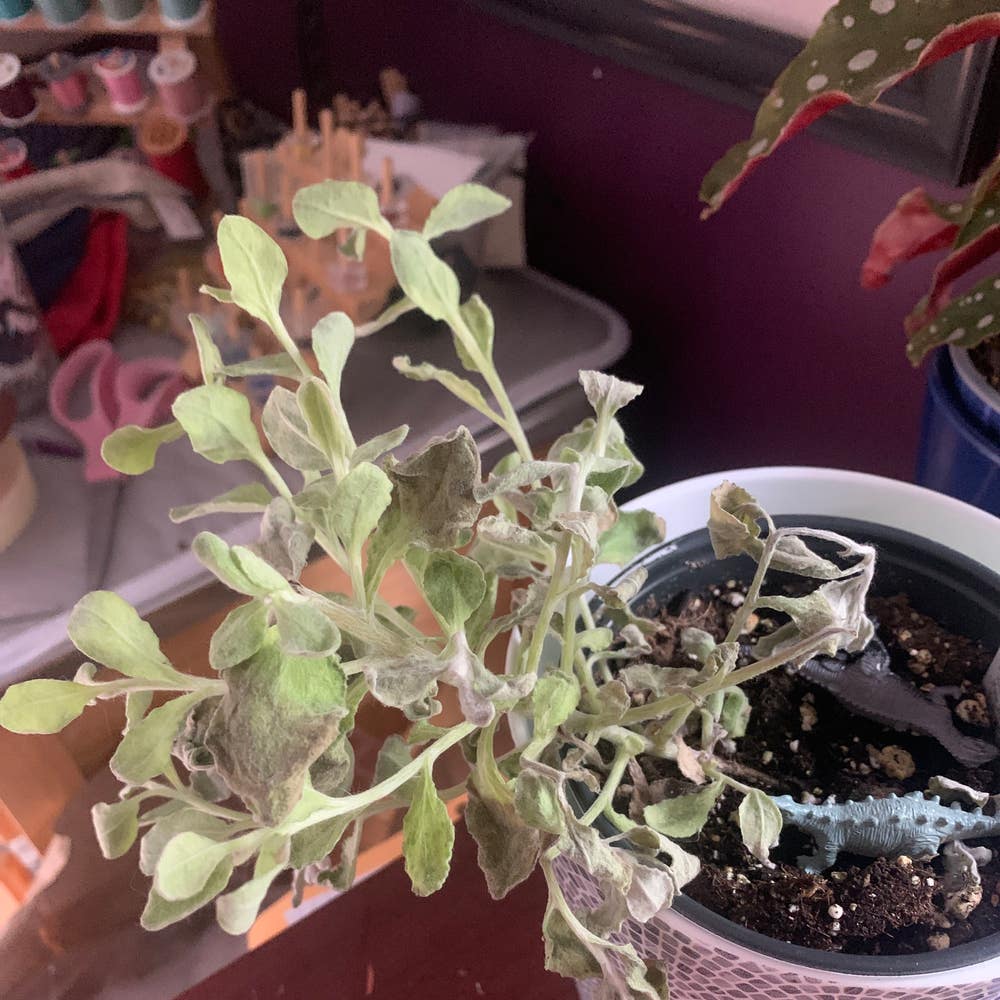
Slowed growth and wilted leaves are your plant's subtle way of saying it's not getting the nutrients or space it needs. Don't ignore these signs; they're a call to action.
Compacted soil and poor water drainage are like a red flag at a bullfight for repotting. Water should soak into the soil, not run through it like a river or sit on top like a stagnant pond.
🕰 Timing is Everything
Spring is the best season for repotting your 'Red Jewel'. This is when the plant is entering its growth phase, eager to stretch its roots in new soil.
Consider the plant's lifecycle before repotting. Avoid disturbing your 'Red Jewel' during its blooming period; that's like asking someone to move houses during a family reunion.
Picking the Perfect Pot
🏺 Material Matters
Terracotta, ceramic, and plastic are the main contenders for your Helichrysum 'Red Jewel'. Terracotta is breathable, ideal for preventing waterlogged soil, but it's a heavyweight and can break easily in cold weather. Plastic is your wallet's friend—light and cheap, yet it holds moisture longer, which can be a double-edged sword. Ceramic pots strike a balance with moderate breathability and a stylish look, but they can be pricier and heavier.
📏 Size and Shape
The ideal pot size is about 1-2 inches larger in diameter than the current one. This gives your 'Red Jewel' room to grow without drowning in excess soil, which can retain too much water. The shape should allow for even growth; a pot that's too deep can encourage root rot, while a shallow one can dry out too quickly. Drainage holes are non-negotiable, regardless of material—without them, you're setting up a swimming pool for roots, not a home.
The Repotting Rundown
🌱 Preparing for the Move
Soil selection is crucial; opt for a well-draining mix to keep your 'Red Jewel' from drowning in moisture. Prep your new pot by ensuring it has drainage holes—no one likes wet feet, especially not plants.
Gently free your Helichrysum from its current confines. Water it beforehand to ease the transition, making the roots more pliable and less likely to snap during the move.
🎉 The Main Event
Now, let's get down to business. Place a layer of soil in the new pot, then introduce your plant, centering it like the star of the show. Spread the roots outwards, and then backfill with soil, ensuring it feels firm but not compacted—think of a comfortable bed, not a straitjacket.
Water immediately after repotting to help settle the soil around the roots. This also reduces air pockets that could stress your plant out.
🌿 Aftercare and Adjustment
Post-repotting, your 'Red Jewel' will need a spot with indirect light—direct sunlight is a no-go while it's still getting its bearings. Water sparingly, letting the soil dry out slightly between waterings to avoid root rot.
Keep a watchful eye for signs of stress, such as drooping leaves or discoloration. If your plant throws a fit, adjust your care routine accordingly. Remember, a little TLC goes a long way in helping your 'Red Jewel' bounce back.
To Repot or Not to Repot: Making the Decision
Assessing the necessity versus the risks of repotting your Helichrysum 'Red Jewel' can feel like a high-stakes game of "Will It Thrive?" It's not just about giving your plant a new hangout spot; it's about ensuring its survival and prosperity.
🌱 Recognizing When It's Time
If your 'Red Jewel' has roots doing the tango out of the drainage holes or if watering your plant feels like a magic act where water disappears instantly, it's not an illusion—it's a cry for help. Root crowding and a soil that's more compact than a rush-hour subway are your plant's way of saying, "I need more space!"
🚨 The Risks Involved
Let's not sugarcoat it—repotting can be a shock to your plant's system. It's like moving to a new city; exciting, but stressful. Root damage and transplant shock are the party poopers here, potentially setting your plant's growth back if not done with a gentle touch and some TLC.
🔄 How Often to Repot
"Every plant has its day," and for the 'Red Jewel,' that day doesn't come around too often. Every 2-3 years should be your benchmark, but always stay attuned to your plant's growth and behavior. If it's thriving without signs of distress, let it be. If it's more cramped than a clown car, it's time to upgrade its real estate.
👀 Final Considerations
Ultimately, the decision to repot is a balance of intuition and observation. Keep a watchful eye on your 'Red Jewel' and let its growth and health guide you. Remember, a happy Helichrysum is one with room to grow and a pot that complements its needs.
⚠️ Safety First
This content is for general information and may contain errors, omissions, or outdated details. It is not medical, veterinary advice, or an endorsement of therapeutic claims.
Always consult a qualified healthcare professional before using any plant as food, medicine, or supplement.
Never eat any plant (or feed one to pets) without confirming its identity with at least two trusted sources.
If you suspect poisoning, call Poison Control (800) 222-1222, the Pet Poison Helpline (800) 213-6680, or your local emergency service immediately.
Spotted an error? Please report it here.
Ensure your Helichrysum 'Red Jewel' thrives in its new home with Greg's tailored reminders 🌿, guiding you through the perfect repotting season and aftercare.