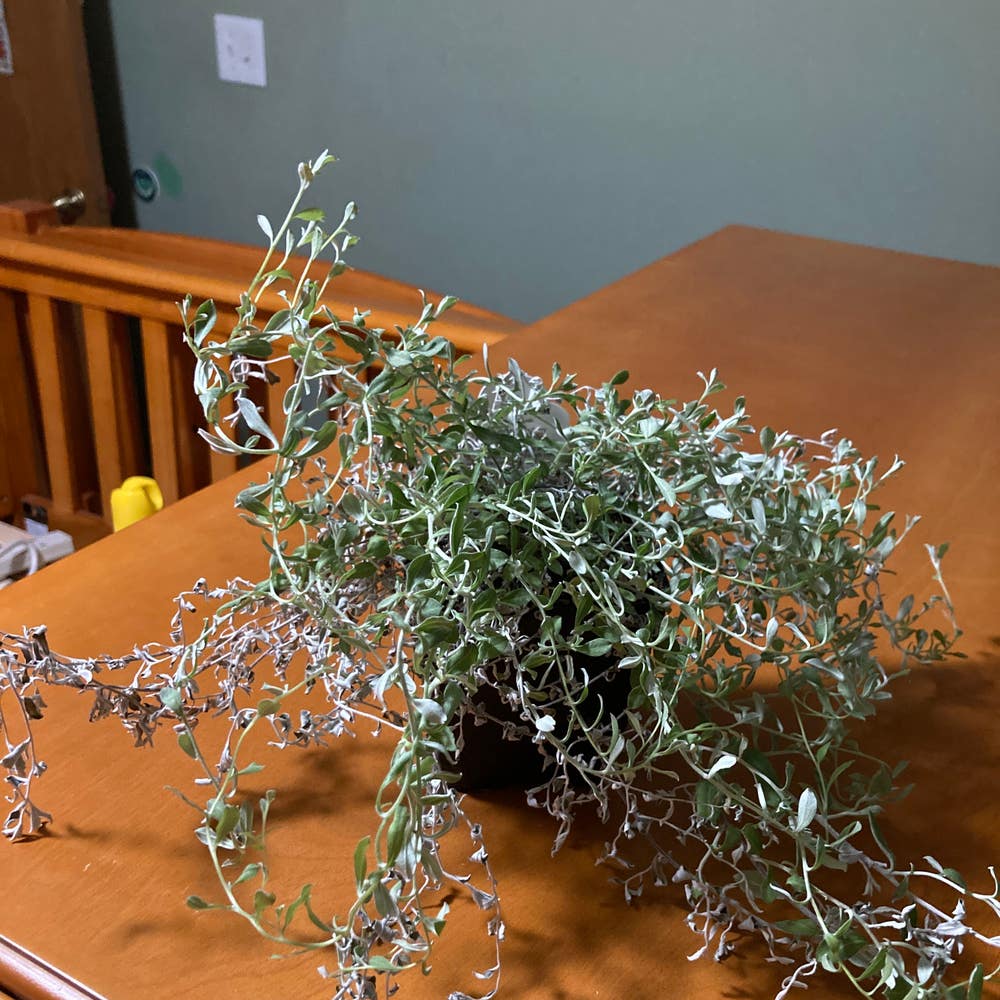
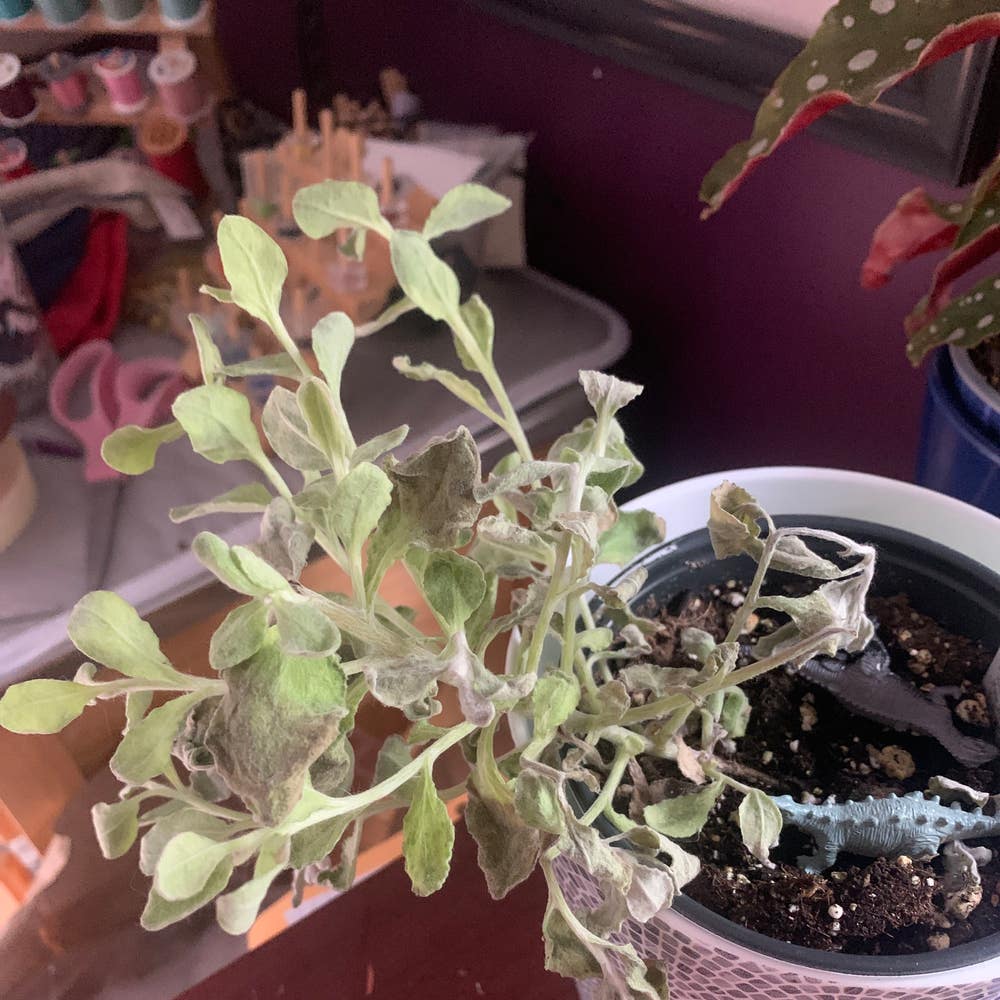
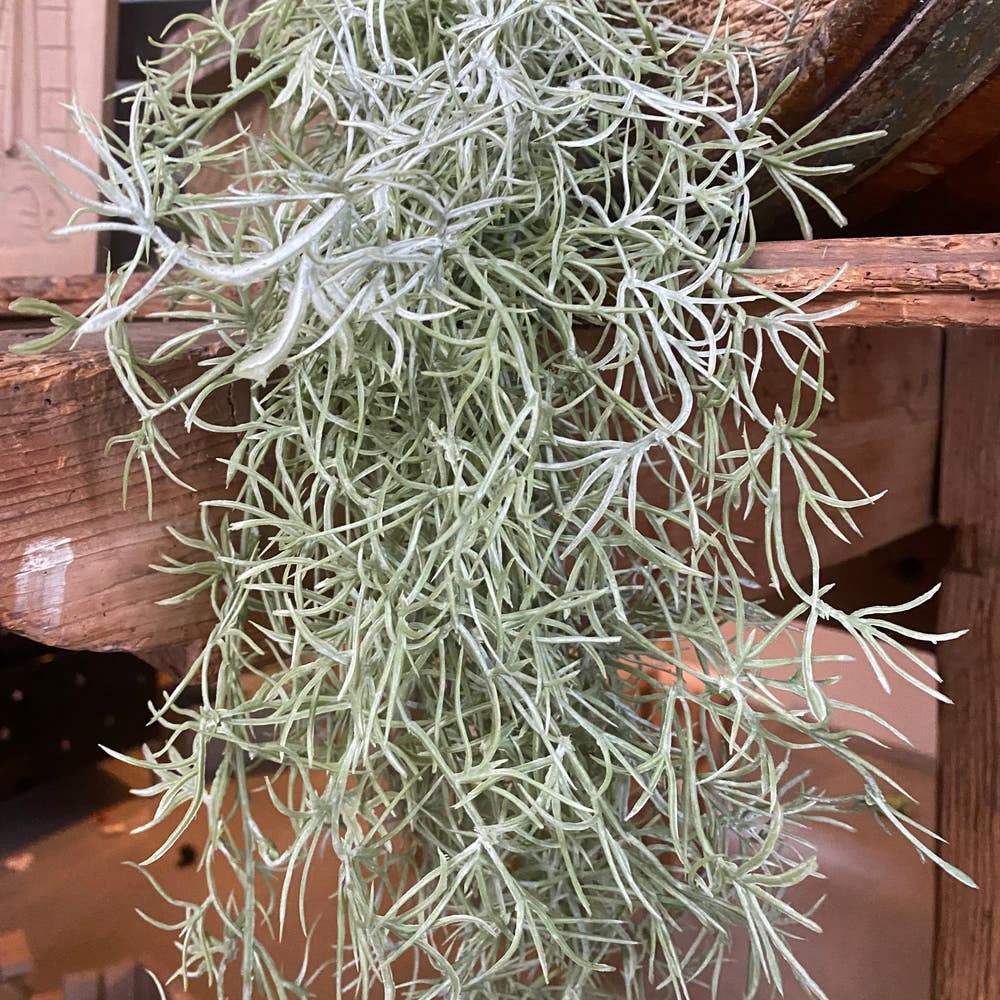
🐞 What Are The Bugs on My Helichrysum 'Red Jewel'?
Helichrysum amorginum 'Red Jewel'
By the Greg Editorial Team
Apr 27, 2024•4 min read
This article was created with the help of AI so we can cover more plants for you. May contain errors. See one? Report it here.
Safeguard your 'Red Jewel' from bugs 🐞 with these proven, nature-friendly pest control strategies. 🌿
- 🕷️ Spider mites and scale harm Helichrysum 'Red Jewel'; look for webbing, bumps.
- 🌱 Natural remedies like neem oil and ladybugs effectively combat common pests.
- ✨ Reflective mulch and sticky traps deter and control flying pests.
Spotting the Invaders: Common Pests on Helichrysum 'Red Jewel'
🕷️ Spider Mites and Scale: The Sap-Suckers
Spider mites and scale insects are stealthy foes of the Helichrysum 'Red Jewel'. Look for webbing and stippling on leaves for spider mites, and raised bumps that mimic part of the plant for scale.
Neem oil, insecticidal soap, and releasing ladybugs can turn the tide in your favor. These natural solutions disrupt the pests' nefarious activities without resorting to chemical warfare.
✈️ Fungus Gnats, Fruit Flies, and Whiteflies: The Flyers
These winged invaders are more than a nuisance. Fungus gnats and fruit flies hint at their presence with larvae in the soil, while whiteflies create a miniature blizzard when disturbed.
Combat them with sticky traps and soil care. Reflective mulch can also throw these pests off their game, reflecting sunlight like a disco ball gone rogue.
🐞 Mealybugs and Aphids: The Clingers
Mealybugs and aphids cling to your Helichrysum 'Red Jewel' like unwanted hitchhikers. Cottony clusters and soft-bodied insects feasting on new growth are dead giveaways.
Rubbing alcohol and a good spray down with water can send them packing. If you prefer a more hands-off approach, beneficial insects like ladybugs are nature's hitmen, taking out these pests with ruthless efficiency.
Winning the Battle: Effective Remedies for Each Pest
🕷️ Tailored Tactics: Specific Solutions for Each Pest Type
Spider mites and scale are the silent invaders of your Helichrysum 'Red Jewel'. To combat these sap-suckers, neem oil and insecticidal soap are your go-to tools. Apply with the precision of a surgeon to avoid harming beneficial insects. For a more biological approach, introduce ladybugs to your garden; they're natural predators of these pests.
Fungus gnats and fruit flies prefer to take the aerial route. Employ sticky traps to snag these pests mid-flight. For soil-dwelling larvae, let the soil dry out between waterings to disrupt their lifecycle. Reflective mulch can also disorient and deter flying pests.
Mealybugs and aphids cling to your plants like unwelcome guests. Swipe them away with an alcohol-dipped cotton swab or blast them off with a strong jet of water. If you're looking for reinforcements, predatory insects like lacewings can be your backup.
🌿 The Role of Environmental Control: Humidity and Cleanliness in Pest Prevention
Managing humidity levels is crucial in the fight against pests. Too much moisture invites a party for pests, while a dry environment can deter them. Keep your plants clean; a dust-free Helichrysum 'Red Jewel' is less inviting to pests. Regularly inspect your plants, because early detection is half the battle won.
Remember, the goal is not to create a toxic wasteland for your plants. Use chemicals as a last resort and always follow the label instructions. Rotate treatments to prevent pests from developing resistance. Think of it as a game of strategy, where you're always one step ahead of the enemy.
Keeping the Bugs at Bay: Proactive and Preventative Measures
👩⚕️ Regular Plant Check-ups
Vigilance is your plant's best friend. Like scrolling through your social media feed, make inspecting your Helichrysum 'Red Jewel' a regular part of your routine. Look for any signs of distress or uninvited guests. Early detection can mean the difference between a quick fix and a full-blown infestation.
🛡️ Quarantine and Cleanliness
When new plants enter your space, treat them like potential carriers of the botanical flu. Quarantine them away from your other plants for at least a few weeks. It's not just about being cautious; it's about protecting your leafy family from possible pest outbreaks. Keep your gardening tools and pots as clean as your kitchenware—pests love to hitchhike on dirty equipment.
🌿 Natural Defenses
Unleash the power of diatomaceous earth around your plants. This non-toxic powder is like a microscopic barbed wire fence, dehydrating and warding off soft-bodied pests. But remember, it's not a one-and-done deal; reapply after watering or rain. And don't forget to create a welcoming environment for beneficial insects—they're the unpaid interns of your garden, working hard to keep the pests in check.
⚠️ Safety First
This content is for general information and may contain errors, omissions, or outdated details. It is not medical, veterinary advice, or an endorsement of therapeutic claims.
Always consult a qualified healthcare professional before using any plant as food, medicine, or supplement.
Never eat any plant (or feed one to pets) without confirming its identity with at least two trusted sources.
If you suspect poisoning, call Poison Control (800) 222-1222, the Pet Poison Helpline (800) 213-6680, or your local emergency service immediately.
Spotted an error? Please report it here.
Banish pests from your Helichrysum 'Red Jewel' with Greg's reminders 🛡 for timely inspections and natural treatment applications, ensuring your plant stays healthy and vibrant.