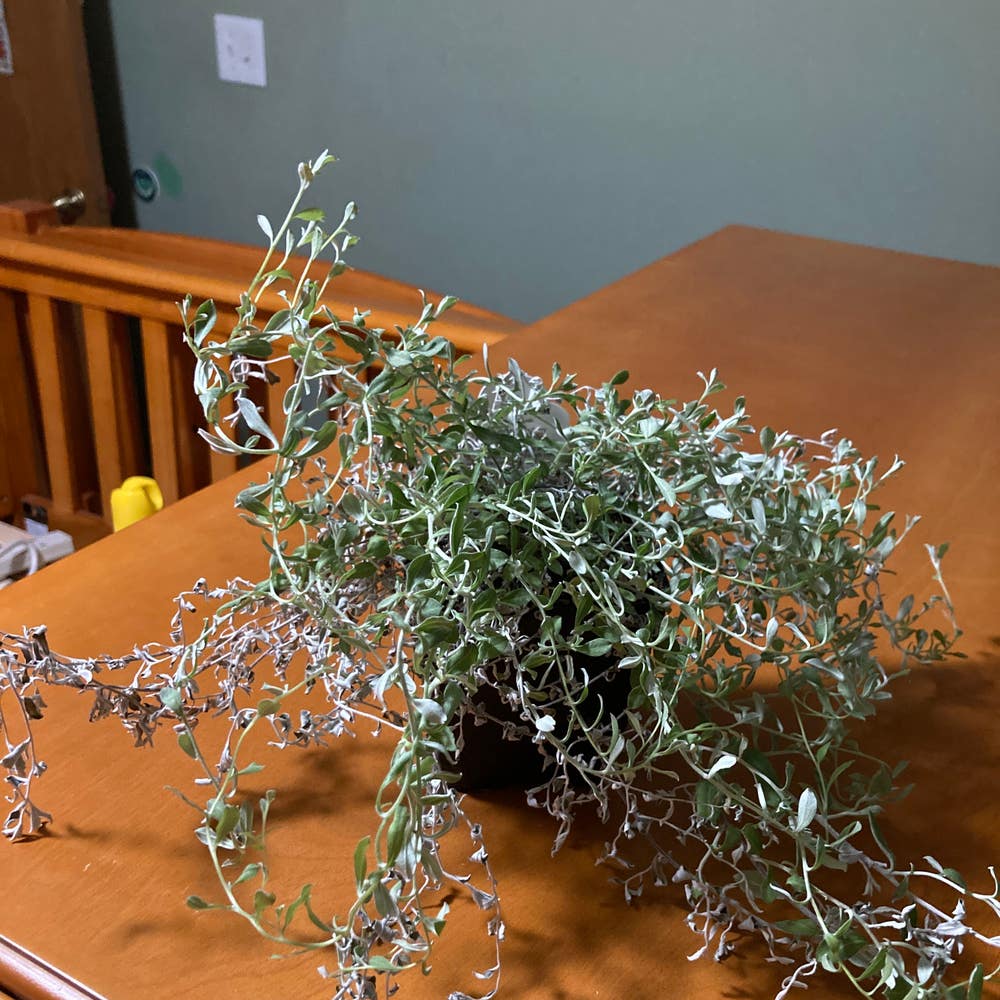
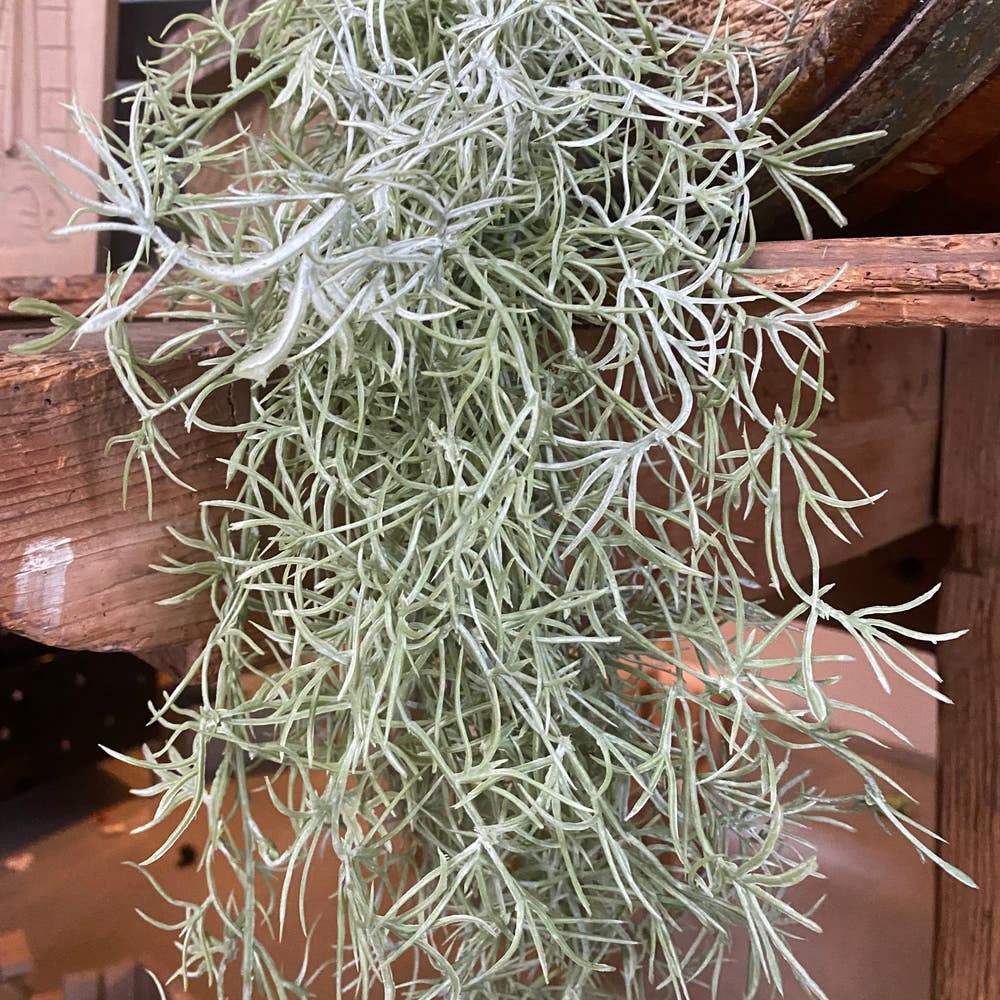
Why Are My Helichrysum 'Red Jewel' Leaves Droopy?
Helichrysum amorginum 'Red Jewel'
By the Greg Editorial Team
Apr 27, 2024•4 min read
This article was created with the help of AI so we can cover more plants for you. May contain errors. See one? Report it here.
Prevent droopy leaves and keep your 'Red Jewel' thriving with these essential plant care insights! 🌿💧
- Water wisely: Adjust frequency and use room-temp water to prevent droopiness.
- Light and temperature matter: Provide bright, indirect light and stable temperatures.
- Soil and drainage are key: Use well-draining soil and pots with drainage holes.
Pinpointing the Culprits Behind Droopy Leaves
💧 Watering Woes
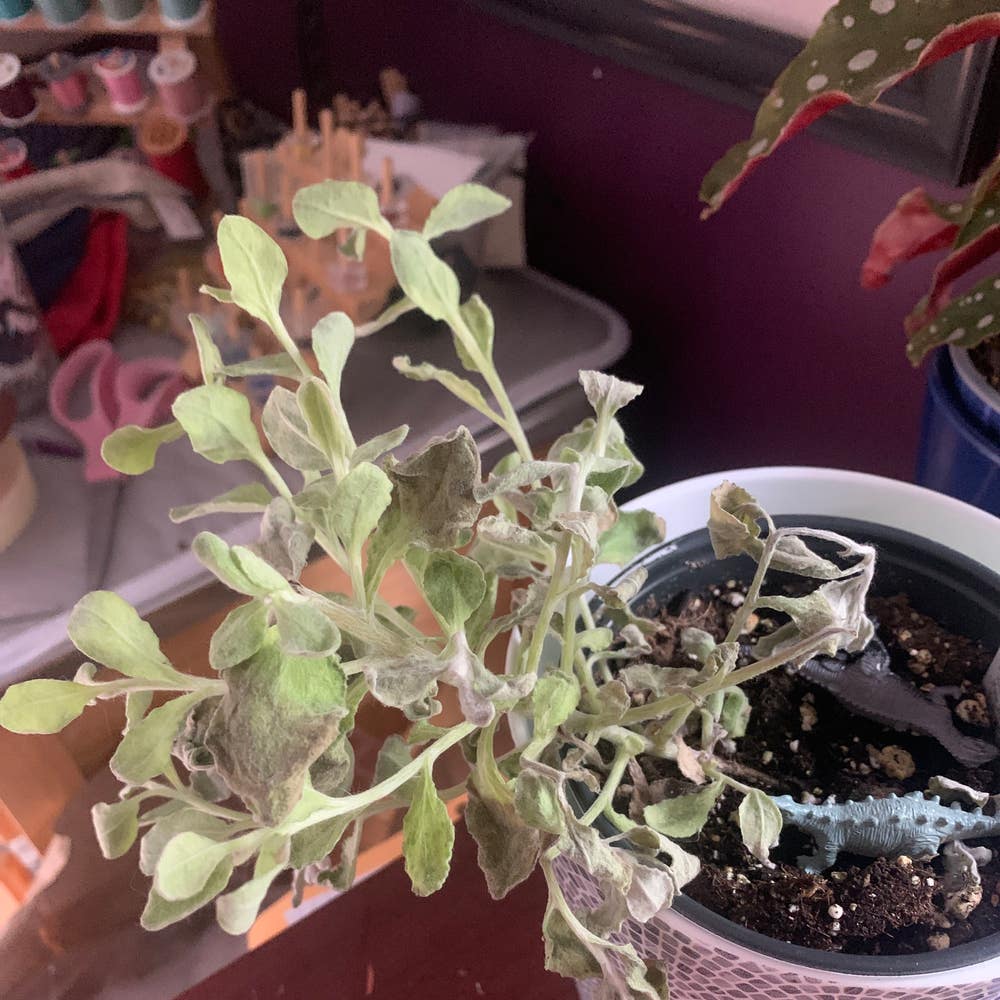
Overwatering can turn your Helichrysum 'Red Jewel' into a sopping mess. Leaves might yellow and feel as soft as overripe fruit. On the flip side, underwatering leaves them hanging like sad flags on a windless day. To check soil moisture, be a bit nosy—poke your finger in. If it’s damp, hold off; if it’s dry, it’s time to water.
🌞 Light and Temperature Tensions
Too much light can scorch leaves, leaving them droopy as if begging for mercy. Not enough light, and they'll sag from sheer boredom. Temperature swings are like unexpected plot twists for your 'Red Jewel'—not the fun kind. Keep it in a spot where the thermometer doesn't swing like a pendulum.
🌱 Soil and Drainage Dilemmas
Poor soil quality and drainage issues can make your plant's roots throw a tantrum. Compacted soil is a no-go; it's like forcing your plant to breathe through a straw. Perform a quick check: water should drain freely, not pool on the surface like an unwanted puddle.
Reviving Your 'Red Jewel': Effective Solutions
💧 Fine-Tuning Your Watering Technique
Helichrysum 'Red Jewel' can be finicky about its drinks. Check the soil before you water—top inch dry? It's time to hydrate. Use room-temperature water to avoid shocking the roots. Drainage holes in the pot are non-negotiable; they're the escape routes for excess water.
Step-by-Step Watering Adjustment
- Test soil moisture an inch below the surface; water if dry.
- Water deeply until it drains out the bottom, ensuring the roots are quenched.
- Monitor your plant's response and adjust accordingly.
- In cooler months, reduce watering frequency to match the plant's slower growth.
🌞 Creating the Ideal Light and Temperature Environment
Your 'Red Jewel' is a diva that demands the perfect light and temperature. Too much sun and it wilts; too little and it languishes. Aim for bright, indirect light. Watch for temperature swings—steady as she goes is the mantra here.
Light and Temperature Tweaks
- Relocate your plant to a spot with consistent, indirect sunlight.
- Shield it from direct afternoon rays that could cause the botanical equivalent of a sunstroke.
- Maintain a stable temperature; avoid placing it near drafty windows or heat sources.
🌱 Soil Improvements and Repotting Tips
Soil quality is like a good mattress for your plant—it needs to be just right. Ensure it's well-draining to avoid waterlogged roots. If your 'Red Jewel' is sitting in soggy soil, it's time for a soil intervention.
When and How to Repot
- Choose a new pot with adequate drainage and only slightly larger than the current one.
- Repot using a fresh mix that's like the perfect sponge—moisture-retentive yet well-draining.
- Trim any rotted roots during repotting to prevent decay from spreading.
- Post-repotting, water sparingly to let the plant settle in its new home.
Keeping Droopiness at Bay: Proactive Practices
🌱 Monitoring Moisture and Environmental Factors
Routine checks are the cornerstone of plant health. To keep your Helichrysum 'Red Jewel' from slumping, monitor soil moisture with a moisture meter or the good ol' finger test. Aim for that sweet spot where the soil is moist, but not waterlogged.
Temperature and humidity also play starring roles. Keep a thermometer and hygrometer handy to ensure your plant's environment isn't going haywire. Stable conditions are the secret sauce to preventing droopy drama.
🚨 Recognizing Early Signs of Stress
Vigilance is your best ally. Droopiness can sneak up like a ninja if you're not paying attention. Look for subtle cues like a slight change in leaf color or reduced perkiness. These are your plant's way of whispering for help.
Act swiftly when you spot these signs. Adjust your watering, check for pests, and make sure your plant isn't sitting in a draft or baking in the sun. It's like being a plant doctor on call, ready to diagnose and treat at the first sniffle.
⚠️ Safety First
This content is for general information and may contain errors, omissions, or outdated details. It is not medical, veterinary advice, or an endorsement of therapeutic claims.
Always consult a qualified healthcare professional before using any plant as food, medicine, or supplement.
Never eat any plant (or feed one to pets) without confirming its identity with at least two trusted sources.
If you suspect poisoning, call Poison Control (800) 222-1222, the Pet Poison Helpline (800) 213-6680, or your local emergency service immediately.
Spotted an error? Please report it here.
Keep your Helichrysum 'Red Jewel' leaves perky and proud 🌿 with Greg's personalized care reminders that ensure you're watering just right and providing the perfect environment!