Black Spots on My Helichrysum 'Red Jewel' Leaves
Helichrysum amorginum 'Red Jewel'
By the Greg Editorial Team
Apr 27, 2024•4 min read
This article was created with the help of AI so we can cover more plants for you. May contain errors. See one? Report it here.
Shield your Helichrysum 'Red Jewel' 🌿 from distressing black spots with this crucial care guide.
- Black spots signal distress, often caused by pathogens or environmental stress.
- Treatment includes fungicides/bactericides, and ensuring proper watering and airflow.
- Prevent with regular checks, early intervention, and creating an unfavorable environment for pathogens.
Spotting the Culprit: Recognizing Black Spots
👀 Visual Cues: Identifying the Invaders
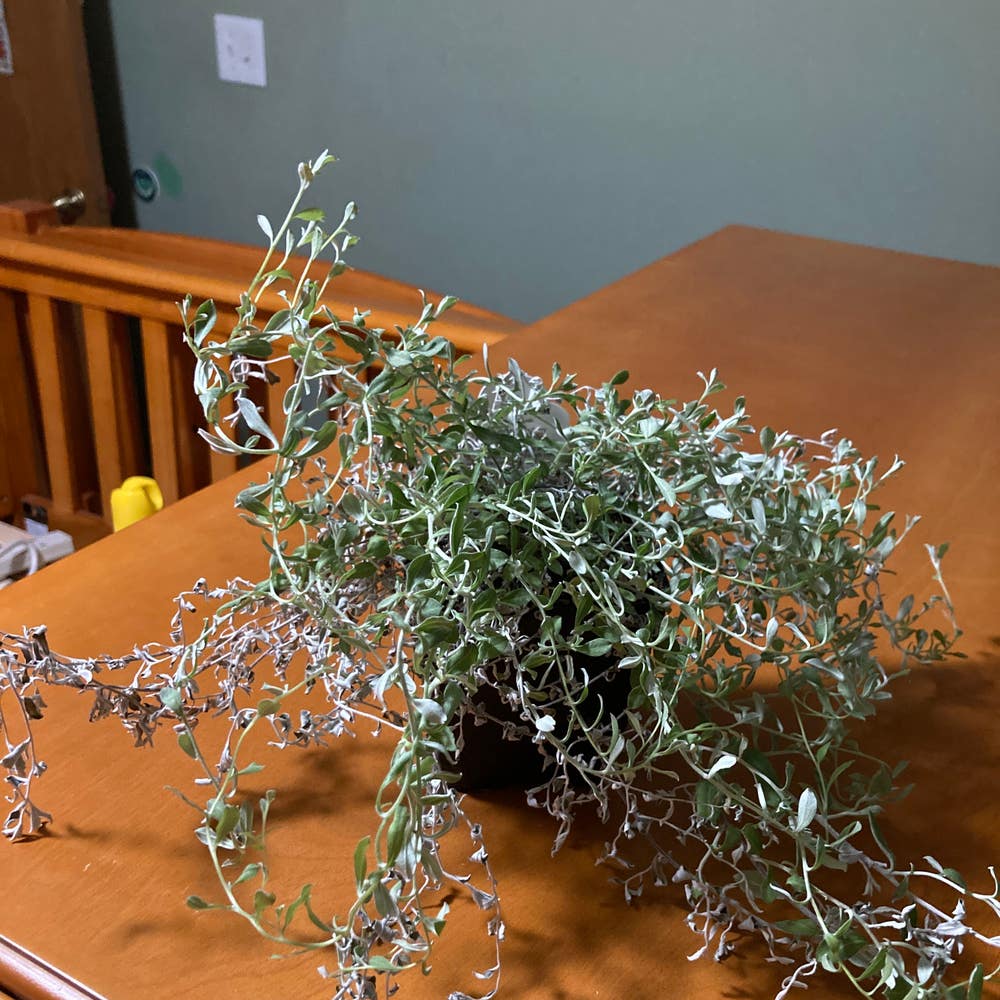
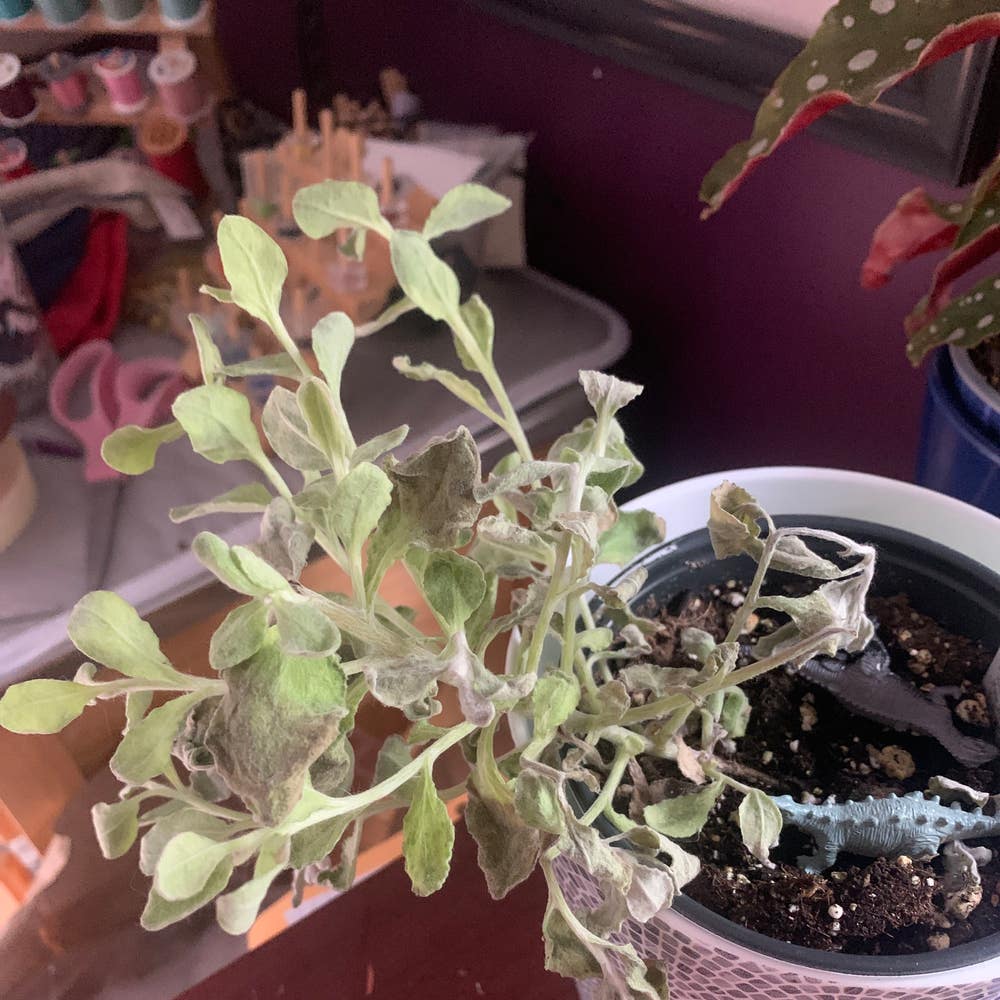
Black spots on Helichrysum 'Red Jewel' are alarm bells, not a feature to ignore. These blemishes are typically dark and irregular, starting as pinpricks that can balloon into unsightly blotches. Unlike natural leaf variegation, these spots are more like unwanted tattoos on your plant's foliage. They may appear with a yellow halo, a sign of the plant's distress signal.
🌿 Location, Location, Location: Where to Find Them
It's a game of hide-and-seek with these spots, as they're fond of the leaf undersides—a prime spot for an ambush. But don't be fooled, they're just as likely to flaunt themselves on the topside, basking in the sun. Regular leaf-flipping is your best bet to catch these culprits red-handed. Keep an eye out for spots on older leaves; these veterans are often the first to bear the brunt of an attack.
Unearthing the Causes of Black Spots
🦠 Pathogens at Play: Fungal and Bacterial Villains
Fungal foes like Cercospora and Anthracnose love to crash the Helichrysum 'Red Jewel' party, leaving behind their signature black spots with colorful halos. Bacterial spots, on the other hand, are the wallflowers, appearing as uniform dark smudges, often with a water-soaked look.
Common Symptoms of Pathogen-Induced Black Spots
Fungal infections might present as powdery or slimy lesions, while bacterial infections can look like your plant's leaves took a dip in a dark puddle.
Identifying Differences Between Fungal and Bacterial Spots
Fungal spots are the show-offs with their red or yellow edges, while bacterial spots are more incognito with a consistent dark appearance.
When the Environment Strikes: Stress-Related Black Spots
Overwatering and high humidity are like sending out engraved invitations to pathogens, setting the stage for black spot drama.
How Overwatering and Humidity Contribute to the Issue
Too much H2O and your plant's roots are drowning, not dancing, leading to those dreaded black spots. Humidity just adds to the rave, encouraging pathogens to let loose.
The Role of Poor Air Circulation in Exacerbating the Problem
Poor air flow is like a stagnant, crowded dance floor—no one's having fun and it's just what fungi and bacteria need to mingle and spread. Keep the air moving to avoid giving these party crashers a place to settle.
The Battle Plan: Treating Black Spots
🛡️ Choosing Your Weapons: Effective Fungicides and Antibacterial Agents
Combatting black spots on Helichrysum 'Red Jewel' starts with precision. Fungicides are your first line of defense, with ones tailored for leaf spot diseases being the MVPs. Apply thoroughly, ensuring every leaf surface is covered. For bacterial battles, copper-based bactericides are your allies, doubling up against fungal foes too. Remember, the label is your playbook—follow it to a tee.
🌱 Cultural Practices: Adjusting Care to Combat Black Spots
🚰 The Importance of Proper Watering and Drainage
Watering is an art—target the soil, not the foliage. Wet leaves are a fungus's happy hour. Ensure optimal drainage to prevent waterlogged roots, which are a VIP pass for pathogens. A well-draining soil mix is like giving your plant a good pair of boots—ready for any condition.
🌬 Ensuring Good Air Flow Around Your Helichrysum 'Red Jewel'
Airflow is your silent guardian, keeping the environment around your Helichrysum 'Red Jewel' less inviting for spore soirees. Prune strategically to open up space, allowing air to circulate like a breeze through an open window. Sterilize your tools post-pruning—think of them as your garden's scalpels, needing to be pristine to prevent disease spread.
Fortifying Defenses: Preventing Future Outbreaks
🛡️ Prevention is Key: Routine Checks and Early Intervention
Regular inspections are your plant's personal bodyguards. Like a daily newsfeed scroll, they keep you informed and ready to act against the first sign of black spots. Catching these blemishes early means you're already halfway to victory.
💪 Building Resilience: Strengthening Your Plant
Nutrition isn't just for gym enthusiasts; your Helichrysum 'Red Jewel' craves it too. Adequate fertilization is like a shield, fortifying your plant against infections. Think of it as equipping your green warrior with the best armor in town.
🌬️ Environmental Harmony: Creating an Unfavorable Environment for Black Spots
Creating a hostile environment for black spots is like setting up a no-fly zone. Good air circulation is the unsung hero here, keeping those leaves as dry as a stand-up comedian's wit. Water at the base to avoid moisture on the leaves, and you'll be less likely to see those fungal foes.
⚠️ Safety First
This content is for general information and may contain errors, omissions, or outdated details. It is not medical, veterinary advice, or an endorsement of therapeutic claims.
Always consult a qualified healthcare professional before using any plant as food, medicine, or supplement.
Never eat any plant (or feed one to pets) without confirming its identity with at least two trusted sources.
If you suspect poisoning, call Poison Control (800) 222-1222, the Pet Poison Helpline (800) 213-6680, or your local emergency service immediately.
Spotted an error? Please report it here.
Keep your Helichrysum 'Red Jewel' leaves pristine 🍃 with Greg's personalized care reminders, helping you prevent black spots before they start.