Why Are My Helichrysum 'Red Jewel' Leaves Dropping?
Helichrysum amorginum 'Red Jewel'
By the Greg Editorial Team
Apr 27, 2024•3 min read
This article was created with the help of AI so we can cover more plants for you. May contain errors. See one? Report it here.
Prevent leaf loss and keep your 'Red Jewel' thriving 🌿 with our expert plant care secrets!
- Yellowing leaves, black spots signal 'Red Jewel' distress.
- Adjust water, light, temperature to prevent leaf drop.
- Regular pest inspections, soil checks ensure plant health.
Spotting the Trouble: Signs Your 'Red Jewel' Is Unhappy
🚨 Visual Cues of Distress
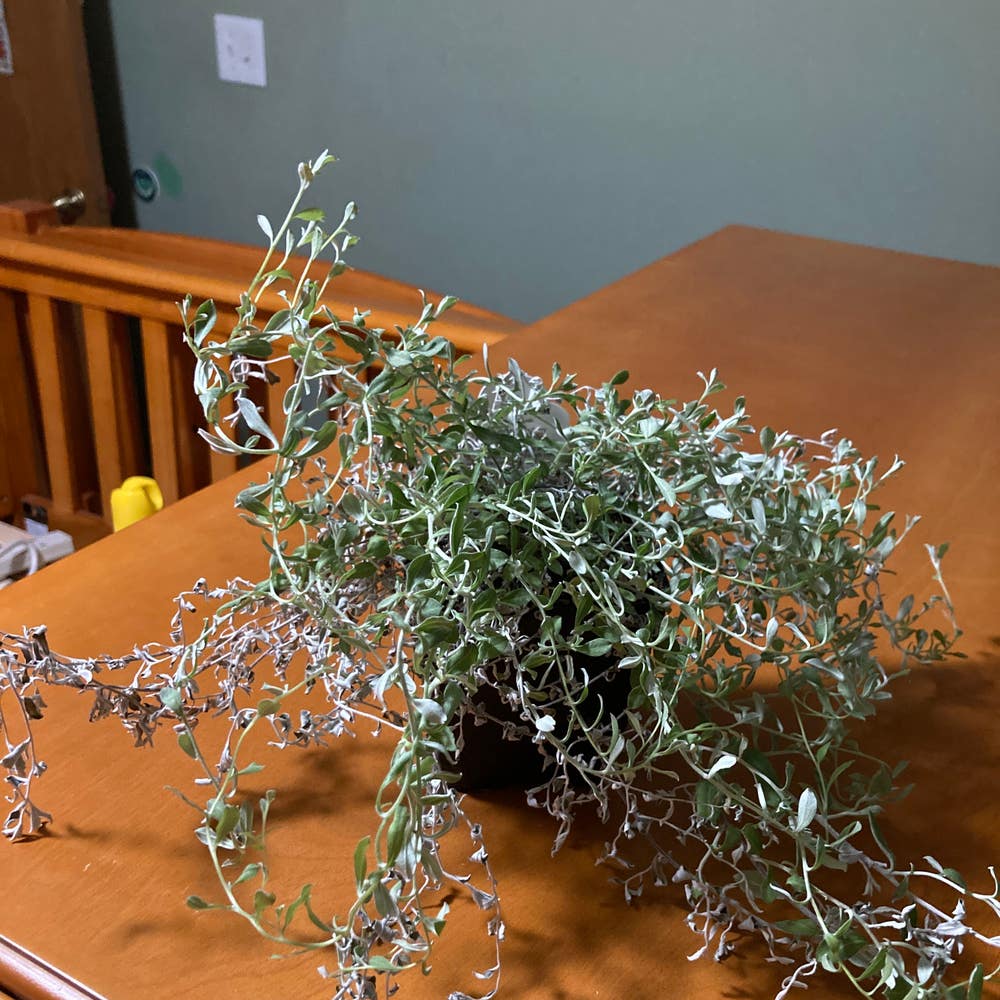
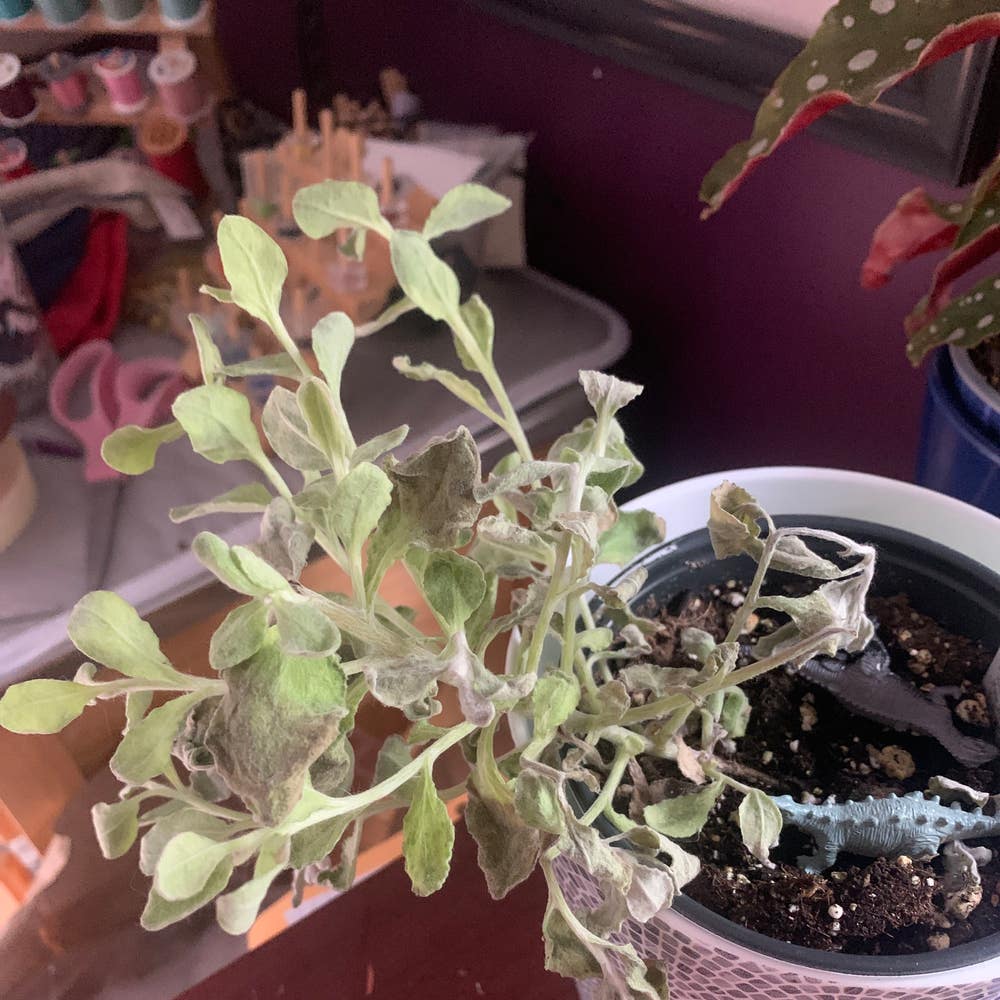
Yellowing leaves are like silent alarms for your Helichrysum 'Red Jewel'. If the foliage is wilting or dropping off, it's not just being dramatic—it's signaling distress. Black spots or browning tips are the plant equivalent of a red flag; they mean you need to intervene, pronto.
🕵️♂️ Immediate Environmental Check
Grab your detective hat and assess the crime scene: your plant's environment. Is the light too dim or glaringly bright? Maybe the temperature's more erratic than spring weather. And humidity—well, that's often the invisible culprit. Quick tip: if you can't comfortably hang out in your plant's spot without a sweater or a fan, neither can your 'Red Jewel'.
Unraveling the Mystery: Pinpointing the Cause
💧 Water Woes: Too Much or Too Little?
Overwatering is a common misstep. Your 'Red Jewel' might be drowning in kindness if its leaves are yellowing or if the soil feels more like a wet sponge than a nurturing bed. Conversely, underwatering leaves the plant parched, with droopy leaves signaling an SOS for hydration. Check the soil before watering; it should be moist, not soggy or bone-dry.
🌡️ The Heat Is On: Temperature and Light Factors
Temperature fluctuations can send your 'Red Jewel' into a state of shock. If leaves are wilting or dropping, it might be too hot. Cold stress, on the other hand, can stunt growth and discolor leaves. Light levels also play a pivotal role; too much sun can scorch leaves, while too little can weaken the plant. Balance is key.
🐜 Uninvited Guests: Pest and Disease Inspection
Pests like scale and mealybugs are uninvited diners at your 'Red Jewel's expense. Check for tell-tale signs such as sticky residue or visible bugs. Diseases often manifest as unsightly spots or a rotten smell. Prompt treatment is crucial to prevent leaf drop and further damage. Keep an eye out for these freeloaders and show them the door with targeted treatments.
Turning Over a New Leaf: Solutions and Adjustments
💧 Fine-Tuning Watering Routines
Check soil moisture before you water; the top inch should be dry. Adjust your watering habits with the seasons—less is more during winter.
🌿 Creating the Ideal 'Red Jewel' Environment
Ensure your 'Red Jewel' gets the right amount of light—bright but indirect is the sweet spot. Temperature consistency is key; avoid drastic changes that stress the plant.
🐞 Pest Control and Disease Management
Increase air circulation to prevent fungal diseases. Introduce beneficial insects or opt for organic sprays to tackle pests. Remember, avoid overhead watering to keep leaves dry and happy.
Keeping It Green: Long-Term Prevention Strategies
👩🌾 Regular Monitoring and Maintenance
To maintain a thriving Helichrysum 'Red Jewel', routine check-ups are non-negotiable. Like a personal trainer for your plant, establish a regular monitoring schedule. Inspect leaves for early signs of distress, such as yellowing or pests. Ensure your plant's environment remains consistent, as abrupt changes can trigger stress. Keep tools sterilized to fend off disease.
🍽️ Nutrient Boost: Fertilization and Soil Health
Soil health is the bedrock of your 'Red Jewel's' well-being. Integrate organic matter into the soil to sustain nutrient levels. Fertilize judiciously; think of it as a controlled nutrient infusion rather than a feast. Stick to a balanced fertilizer and apply it only during the growing season to avoid nutrient overload. Remember, a healthy plant is less inviting to pests, so keeping the soil in top condition helps ward off unwanted guests.
⚠️ Safety First
This content is for general information and may contain errors, omissions, or outdated details. It is not medical, veterinary advice, or an endorsement of therapeutic claims.
Always consult a qualified healthcare professional before using any plant as food, medicine, or supplement.
Never eat any plant (or feed one to pets) without confirming its identity with at least two trusted sources.
If you suspect poisoning, call Poison Control (800) 222-1222, the Pet Poison Helpline (800) 213-6680, or your local emergency service immediately.
Spotted an error? Please report it here.
Prevent leaf drop and keep your Helichrysum 'Red Jewel' thriving with Greg's insights 🌡️, fine-tuning your plant's care by tracking light and moisture levels effortlessly!