How to Prune Helichrysum 'Red Jewel'
Helichrysum amorginum 'Red Jewel'
By the Greg Editorial Team
Apr 27, 2024•4 min read
This article was created with the help of AI so we can cover more plants for you. May contain errors. See one? Report it here.
Achieve a flourishing Helichrysum 'Red Jewel' with expert pruning tips for spring vibrancy! 🌿✂️
- 🌱 Spring pruning enhances 'Red Jewel', avoid in winter for plant health.
- ✂️ Use bypass shears for precision, keep tools sharp and clean.
- 🌞 Deadheading and pinching for more blooms and bushier growth.
When to Wield the Shears: Timing Your Pruning
📅 Seasonal Pruning Calendar
Spring is prime time for pruning your Helichrysum 'Red Jewel'. This period aligns with the plant's natural growth cycle, setting the stage for a season of vigorous development. Avoid winter pruning; it's the plant's time to rest and recover, not to cope with the stress of cuts.
Signs It's Time to Prune
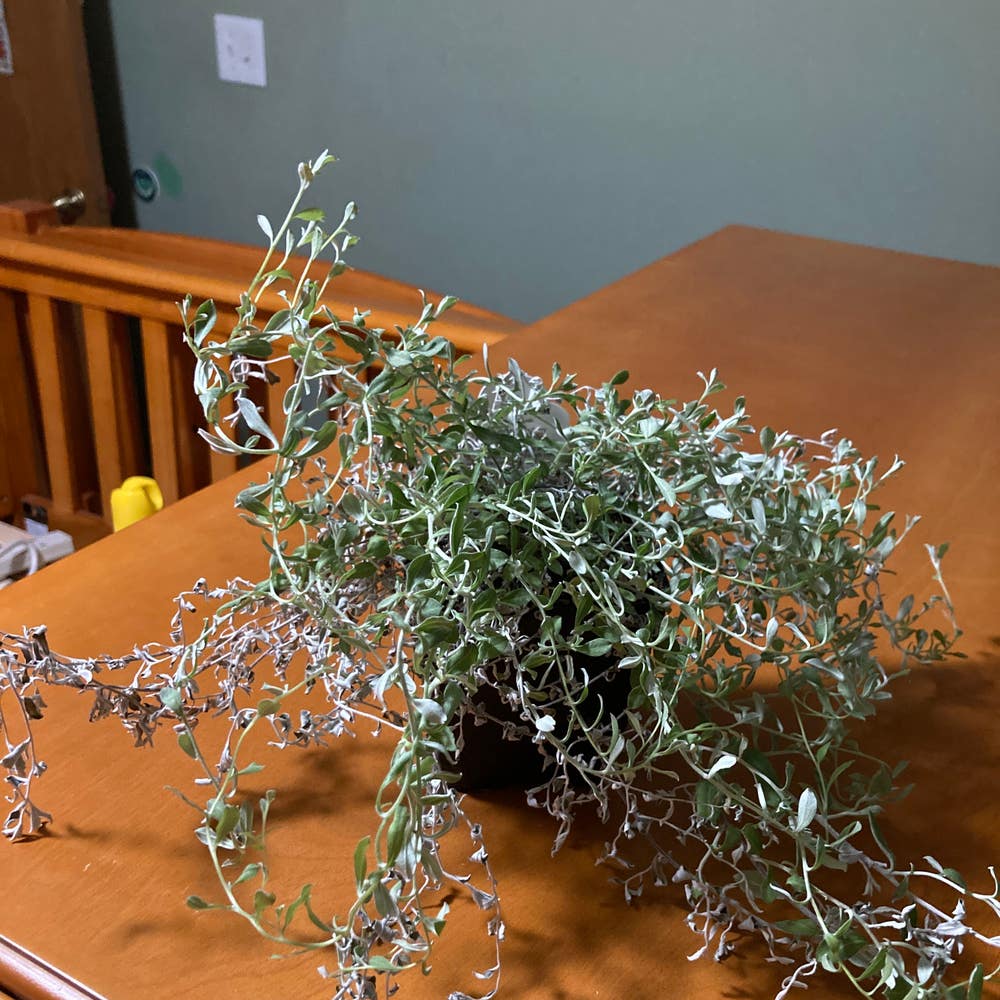
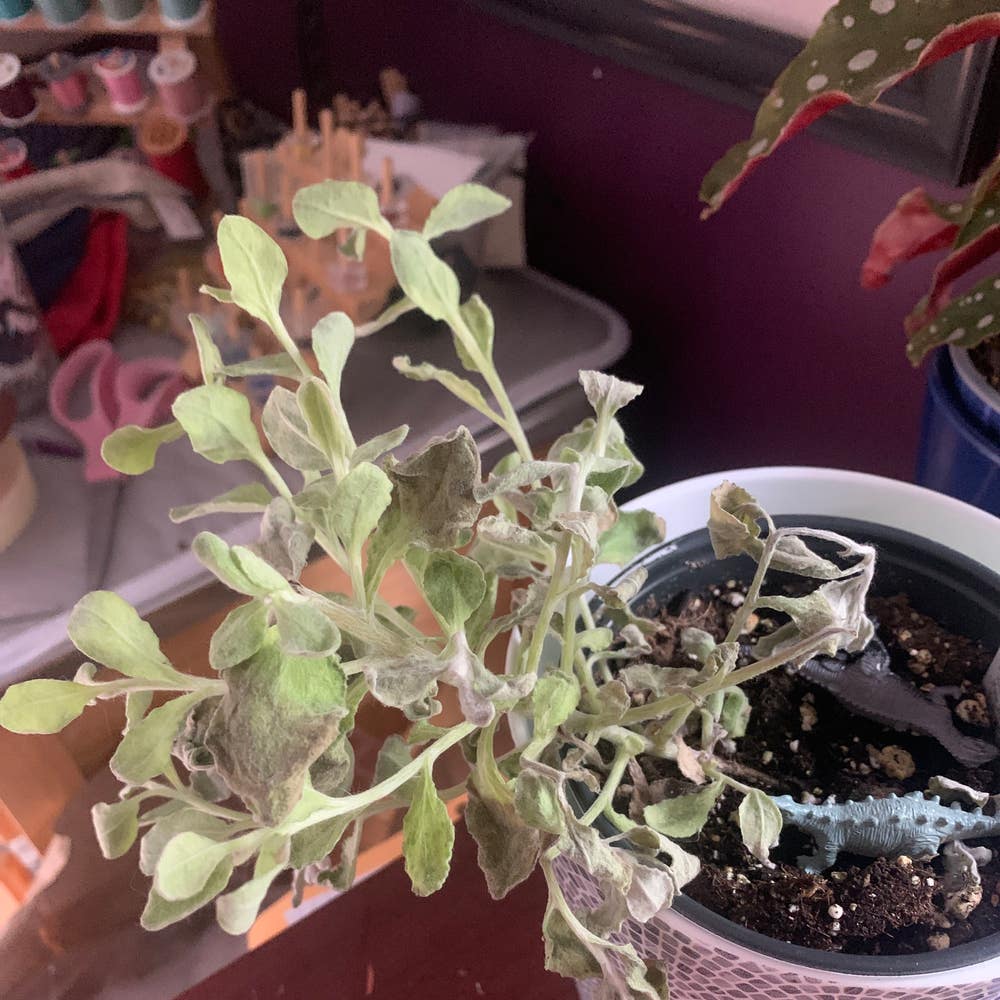
Keep an eye out for yellowing leaves, leggy stems, or a general lack of vigor. These are your plant's distress signals, indicating it's time for a trim. If your Helichrysum 'Red Jewel' starts to resemble an overgrown thicket, it's definitely time to grab those shears.
Choosing Your Tools: Gear Up for Pruning
🌿 Essential Pruning Tools
Pruning your Helichrysum 'Red Jewel' begins with selecting the right shears. You'll want tools that feel like a natural extension of your arm—comfortable, sharp, and precise. For most of the work, bypass pruning shears are your best bet, ideal for making clean cuts on smaller stems. When you're up against thicker branches, reach for loppers to give you that extra leverage without turning it into an arm workout. And don't forget—gloves are non-negotiable unless you fancy the idea of turning your hands into a pincushion.
🛠️ Tool Maintenance
Keeping your tools in pristine condition is like ensuring your car has oil; it's essential for performance. After each pruning session, give your shears a good clean to remove sap and debris. A wire brush can be handy for this task. Next, a sharpening stone will keep your blades slicing with ease, because let's face it, dull blades are about as useful as a screen door on a submarine. And finally, a dab of oil on the hinges will keep them opening and closing smoothly. Remember, well-maintained tools lead to healthy plants, and healthy plants are the whole point, aren't they?
Pruning Techniques: Shaping Your 'Red Jewel'
🌱 Pruning for Shape and Size
Pruning your Helichrysum 'Red Jewel' isn't just about snipping willy-nilly; it's about strategic cuts. Start by assessing your plant's natural form. Then, with sharp shears, trim any odd branches to maintain symmetry. Aim for a shape that suits your aesthetic—whether that's rounded, compact, or avant-garde. Remember, less is more; don't turn your plant into a topiary tragedy.
💐 Deadheading for Blooms Galore
Deadheading sounds grim, but it's all about encouraging blooms. When flowers fade, snip them off right above the first set of healthy leaves. This redirects energy to new growth, meaning more flowers, more often. Timing is key—deadhead as soon as blooms wilt to keep your 'Red Jewel' looking its best.
🌿 The Art of Pinching
Pinching is less about tough love and more about guiding growth. By nipping the tips of young shoots, you're telling your plant to branch out—literally. This results in a bushier Helichrysum, full of potential for more blooms. Pinch when shoots are young, and watch your 'Red Jewel' flourish in its lush, leafy splendor.
Health-Boosting Pruning: More Than Just Looks
🌱 Spotting and Removing Troublesome Growth
Diseased or damaged stems are like freeloaders at a party; they contribute nothing and can bring everyone down. Keep an eye out for these party poopers, showing up as yellowing leaves or stems with brown spots. Snip them off to stop them from sapping your Helichrysum 'Red Jewel's' vitality. It's like cutting ties with toxic friends—tough but necessary.
🌿 Pruning for Better Airflow and Sunlight
Think of your plant as a social butterfly; it needs space to mingle. Thin out the dense areas to let air and light circulate. It's not just about giving your plant room to breathe; it's about preventing the botanical equivalent of a packed elevator. Strategic cuts can be like opening a window in a stuffy room—refreshing and vital for health.
⚠️ Safety First
This content is for general information and may contain errors, omissions, or outdated details. It is not medical, veterinary advice, or an endorsement of therapeutic claims.
Always consult a qualified healthcare professional before using any plant as food, medicine, or supplement.
Never eat any plant (or feed one to pets) without confirming its identity with at least two trusted sources.
If you suspect poisoning, call Poison Control (800) 222-1222, the Pet Poison Helpline (800) 213-6680, or your local emergency service immediately.
Spotted an error? Please report it here.
Prune your Helichrysum 'Red Jewel' into perfect health and shape this spring, and let Greg's tailored care tips 🌿 remind you when and how to make the right cuts.