Helichrysum 'Red Jewel' - Ultimate Guide to Fertilizing
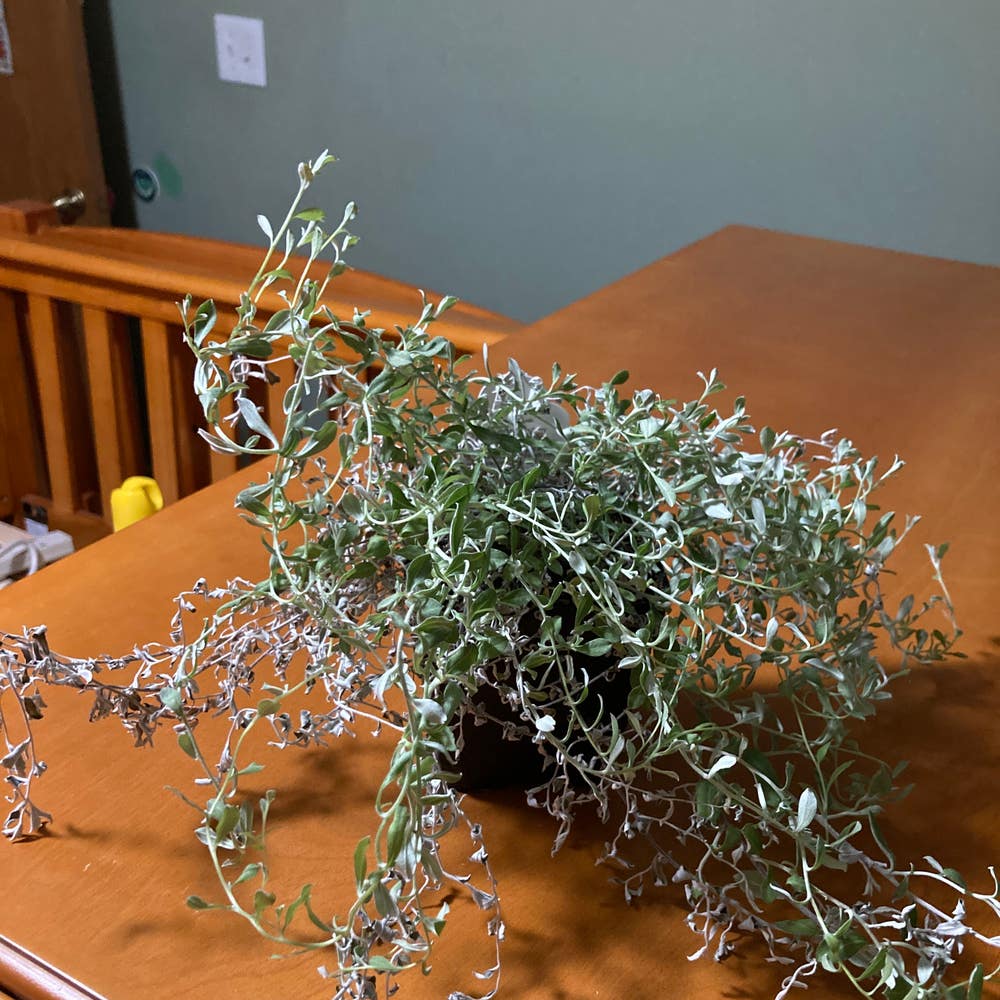
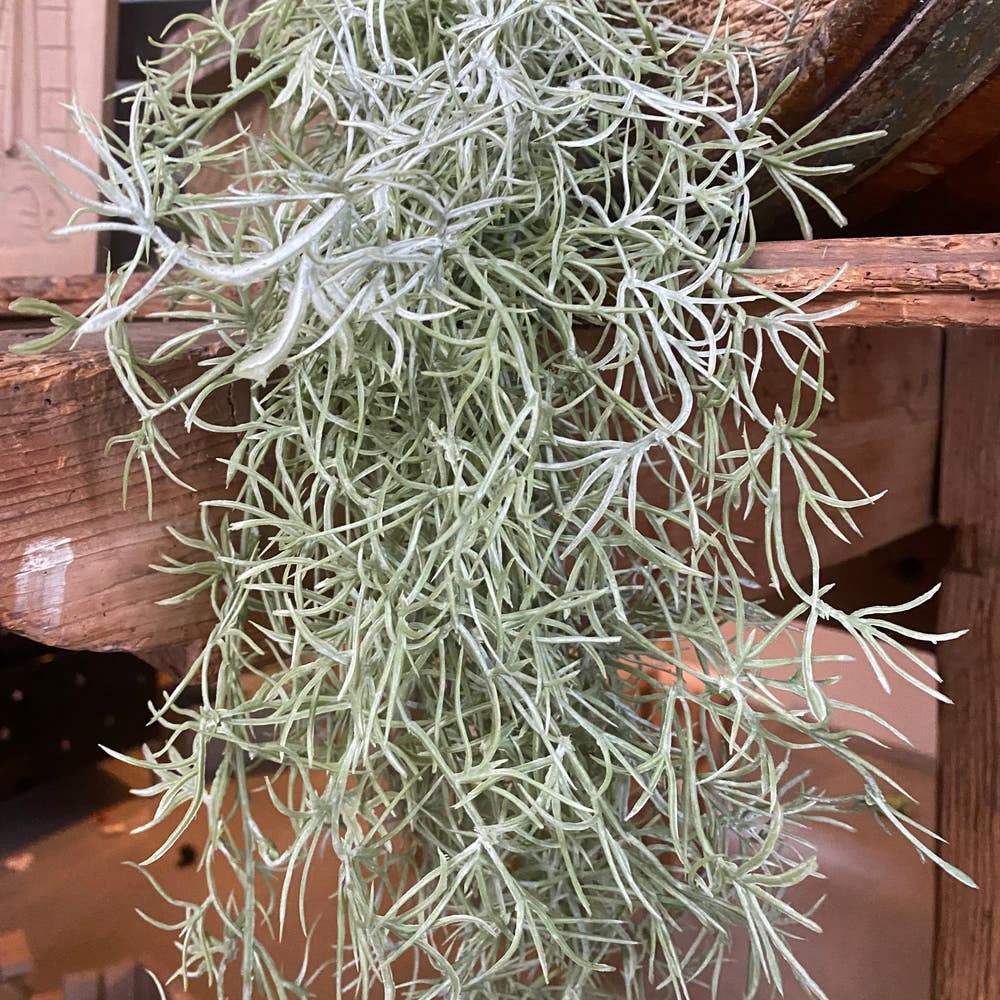
Helichrysum amorginum 'Red Jewel'
By the Greg Editorial Team
Apr 27, 2024•3 min read
This article was created with the help of AI so we can cover more plants for you. May contain errors. See one? Report it here.
Nurture vibrant Helichrysum blooms 🌺 with perfect NPK ratios and fertilizing tips—your guide to red radiance!
- Higher phosphorus for blooms: Tailor NPK ratios for Helichrysum 'Red Jewel'.
- Monthly fertilizing in growth season: Watch for pale leaves as a nutrient cue.
- Over-fertilization signs: Yellow leaves, crusty soil, and leaf burn signal trouble.
Picking the Perfect Fertilizer
💡 Understanding NPK Ratios
NPK ratios are the backbone of fertilizer choice for your Helichrysum 'Red Jewel'. This trio of nutrients—nitrogen (N), phosphorus (P), and potassium (K)—dictates the health and vibrancy of your plant. Nitrogen fuels leafy growth, phosphorus is essential for those robust red blooms, and potassium keeps the plant's systems in check. For a Helichrysum 'Red Jewel' that turns heads, aim for a higher phosphorus ratio to encourage blooming.
🍽️ Liquid Gold or Granular Goodness?
When it comes to liquid versus granular fertilizers, it's a tussle between speed and convenience. Liquid fertilizers are like a shot of espresso for your plants—quick and potent. They're great if you're after fast results and enjoy regular garden interactions. Granular fertilizers, on the other hand, are the crockpots of the plant world, slowly releasing nutrients over time. They're perfect if you prefer a "set it and forget it" approach. Your gardening style will dictate your choice, but remember, it's all about the needs of your Helichrysum 'Red Jewel'.
Timing is Everything: When to Fertilize
💡 Growing Season Guidelines
Spring is the kickoff for fertilizing Helichrysum 'Red Jewel'. As daylight increases, so does the need for nutrients. Start fertilizing when new growth appears, typically around March. This initial feeding sets the stage for the season's vibrant blooms.
During the active growing season, maintain a monthly fertilizing schedule. This consistent nutritional support is crucial for continuous blooming. Think of it as keeping the pantry stocked for your plant's needs.
💭 Reading Your Plant's Cues
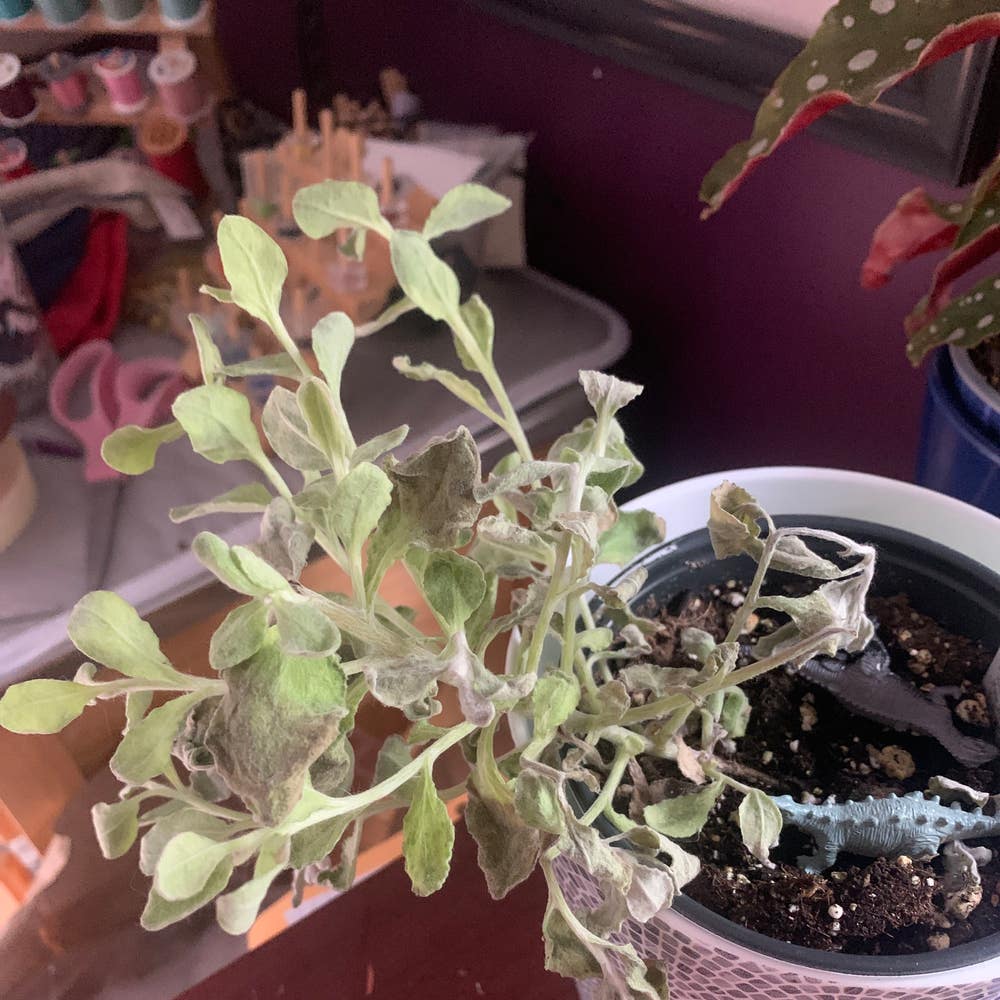
Your Helichrysum 'Red Jewel' won't send you a text when it's hungry, but it will show signs. Slowed growth or pale leaves are your cues to reach for the fertilizer. It's not about sticking to a rigid schedule; it's about observing and responding to your plant's needs.
Adjust your fertilization in response to plant health and environmental factors. If your plant is pushing out new growth or seems particularly lush, it might be asking for a bit more to eat. Conversely, dial back during periods of slow growth or dormancy.
Fertilization Techniques for a Happy Plant
💧 The Art of Application
Dilution is your friend when it comes to liquid fertilizers. Start by halving the recommended strength to avoid overwhelming your Helichrysum 'Red Jewel'. Apply this gentler solution directly to the soil, steering clear of the leaves to prevent burns. Consistency is key; regular, weaker doses trump a single, potent application.
🌿 Granular Fertilizer Mastery
For granular fertilizer, think of it as sprinkling seasoning on a dish – even distribution is crucial. Scatter the granules around the plant's base, avoiding a pile-up near the stem. This method ensures the roots get an even feeding without the risk of burning the plant with over-concentration. Remember, less is often more.
Rescuing an Over-Fertilized Plant
🚨 Spotting Trouble Early
- Yellowing leaves or a white crust on the soil surface are distress signals from your Helichrysum 'Red Jewel'.
- Over-fertilization symptoms include stunted growth and leaf burn, much like a plant's cry for help.
🛠 Quick Fixes to Restore Balance
- Stop fertilizing immediately to halt the nutrient assault.
- Remove visible fertilizer and flush the soil with water to dilute the excess—think of it as a plant detox.
- Prune the damaged foliage; it's a lost cause and your plant needs to focus on the healthy bits.
- For potted plants, a soil transplant might be the best reboot; for garden plants, consider replacing the topsoil.
- Wait for signs of recovery before you even think about fertilizing again—patience is key.
- Monitor your plant's response post-crisis; if it thrives, you've nailed the care routine. If not, adjust and learn.
⚠️ Safety First
This content is for general information and may contain errors, omissions, or outdated details. It is not medical, veterinary advice, or an endorsement of therapeutic claims.
Always consult a qualified healthcare professional before using any plant as food, medicine, or supplement.
Never eat any plant (or feed one to pets) without confirming its identity with at least two trusted sources.
If you suspect poisoning, call Poison Control (800) 222-1222, the Pet Poison Helpline (800) 213-6680, or your local emergency service immediately.
Spotted an error? Please report it here.
Ensure your Helichrysum 'Red Jewel' blooms brilliantly 🌺 with Greg's tailored fertilization reminders, keeping your garden vibrant without the guesswork.