Why Are There Brown Spots on My Helichrysum 'Red Jewel'?
Helichrysum amorginum 'Red Jewel'
By the Greg Editorial Team
Apr 27, 2024•4 min read
This article was created with the help of AI so we can cover more plants for you. May contain errors. See one? Report it here.
Uncover the secret behind your Helichrysum's brown spots and save its splendor 🌿🔍!
- Brown spots signal health issues, not just dirt or shadows.
- Fungi, bacteria, and pests are common culprits.
- Prevent with proper care and targeted treatments.
Spotting the Trouble: Recognizing Brown Spots
🕵️ Visual Clues
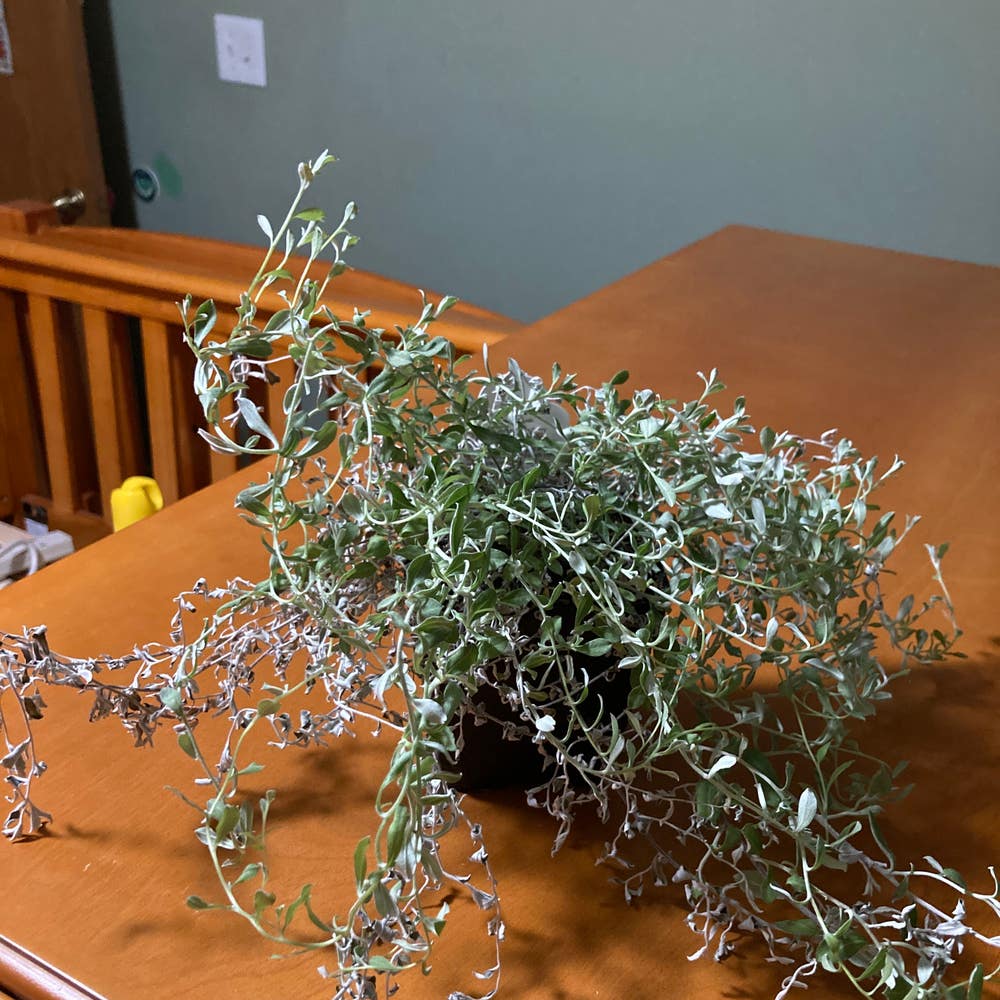
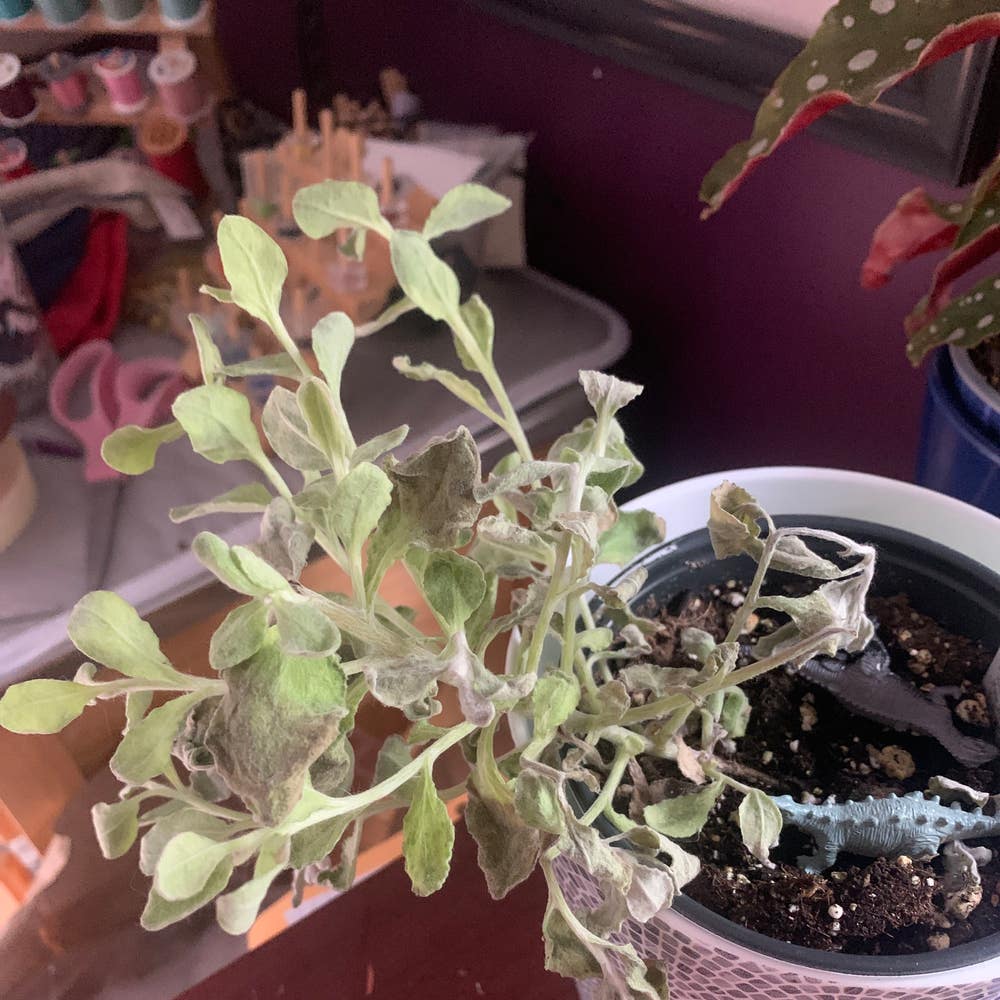
Brown spots on your Helichrysum 'Red Jewel' are like red flags; they're not just dirt or shadows. They can appear as dry patches or lesion-like spots, sometimes surrounded by a yellow halo. These spots can be found anywhere—leaf edges, tips, or smack in the center. If you spot them, it's time to take action.
Accompanying Symptoms
Other symptoms often accompany these brown spots. Yellowing leaves, wilting, or stunted growth can also be part of the plant's distress signals. It's not just about spotting spots; it's about understanding the full narrative of your plant's health. Keep an eye out for these tell-tale signs to get to the root of the problem quickly.
Unearthing the Culprits: Common Causes of Brown Spots
🍄 Fungal Foes and Bacterial Bullies
Fungi and bacteria are the usual suspects when it comes to brown spots on Helichrysum 'Red Jewel'. Fungal infections often show off with halos or concentric rings around the spots. They're party animals that love moist environments and poor air circulation. Bacterial spots, on the other hand, are more like a ninja attack—sneaky, with water-soaked appearances that can turn your plant's leaves into a battleground.
🌿 Environmental Stress Signals
Stress from the environment can also cause brown spots. It's like your plant is sending you an SOS with every spot. Too much sun, overwatering, or extreme temperatures can cause these blemishes. It's like your plant is saying, "Hey, I'm not loving this vibe," with each spot acting as a mini protest sign.
🐜 Pests: The Sneaky Spotters
Lastly, let's not forget about pests—the uninvited guests that never RSVP. They nibble away at your plant, leaving behind brown spots as evidence of their feast. These spots are often found on the underside of leaves, and while you might not see the critters themselves, the damage they leave behind is a clear indicator of their presence.
Crafting the Cure: Treatment Tactics
🍄 Battling Fungi and Bacteria
Fungicides are your first line of defense against the fungal culprits causing brown spots. Rotate your fungicidal sprays to outsmart resistance. Apply as directed—precision matters. For bacterial woes, reach for copper-based bactericides, but use them wisely to avoid breeding superbugs. And don't forget, sterilize your tools like you're prepping for surgery.
🌿 Adjusting the Environment
Tweak your plant's environment to cut down on stress-related brown spots. Light and moisture are your dials—aim for bright but indirect sunlight, and water at the base to keep leaves dry. Promote airflow by spacing out your plants; it's like social distancing for flora. These adjustments are crucial for creating a less hospitable environment for pathogens.
🐜 Eradicating Pests
When pests are the perpetrators behind the spots, it's time for targeted action. Choose effective pest control methods and apply with strategy, not overkill. A cotton swab dipped in alcohol can be a precise spot treatment. Keep an eye out for the early signs of pests and act swiftly to prevent further damage.
Prevention: Keeping Brown Spots at Bay
👩🌾 Cultural Practices
Adjust your care routine to shield your Helichrysum 'Red Jewel' from brown spots. Start with well-draining soil to prevent waterlogged roots—a surefire invitation for fungal parties. Ensure your pot is the right size; an oversized pot is like a mansion for root rot. Sterilize your tools before pruning—think of it as hygiene for your plant. And don't forget to space out your plants; they're social but not that social.
👀 Monitoring and Maintenance
Regular inspections are crucial. Treat them like scrolling through your social feeds, but instead, you're on the lookout for the first signs of brown spots. Cleanliness is paramount; wiping down leaves can be as satisfying as a freshly cleaned kitchen. Keep a log of your plant's condition and care adjustments—it's like a diary, but for your green friends. If you spot trouble, act swiftly, like a ninja on a stealth mission. Remember, proactive care often means less time playing plant nurse and more time basking in the glory of spot-free leaves.
⚠️ Safety First
This content is for general information and may contain errors, omissions, or outdated details. It is not medical, veterinary advice, or an endorsement of therapeutic claims.
Always consult a qualified healthcare professional before using any plant as food, medicine, or supplement.
Never eat any plant (or feed one to pets) without confirming its identity with at least two trusted sources.
If you suspect poisoning, call Poison Control (800) 222-1222, the Pet Poison Helpline (800) 213-6680, or your local emergency service immediately.
Spotted an error? Please report it here.
Banish those baffling brown spots on your Helichrysum 'Red Jewel' and thrive 🌟 with Greg's community insights and custom care reminders.