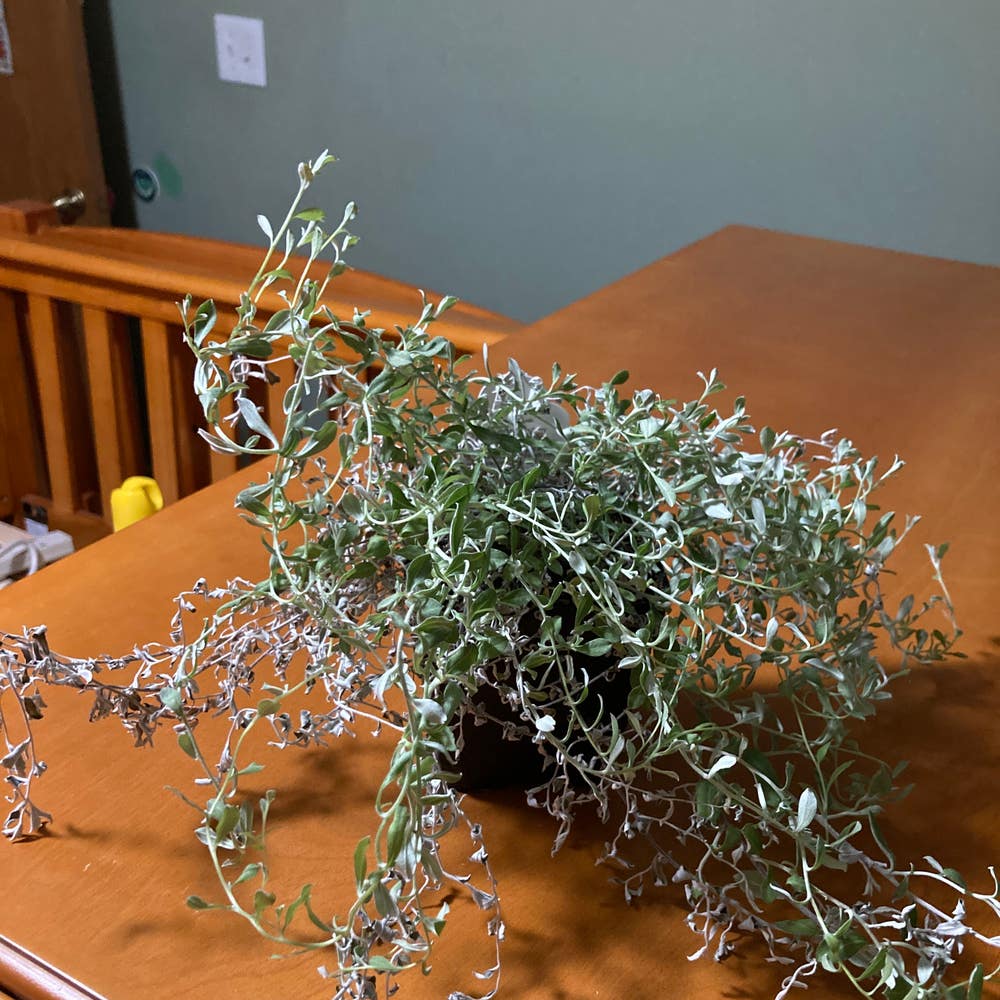
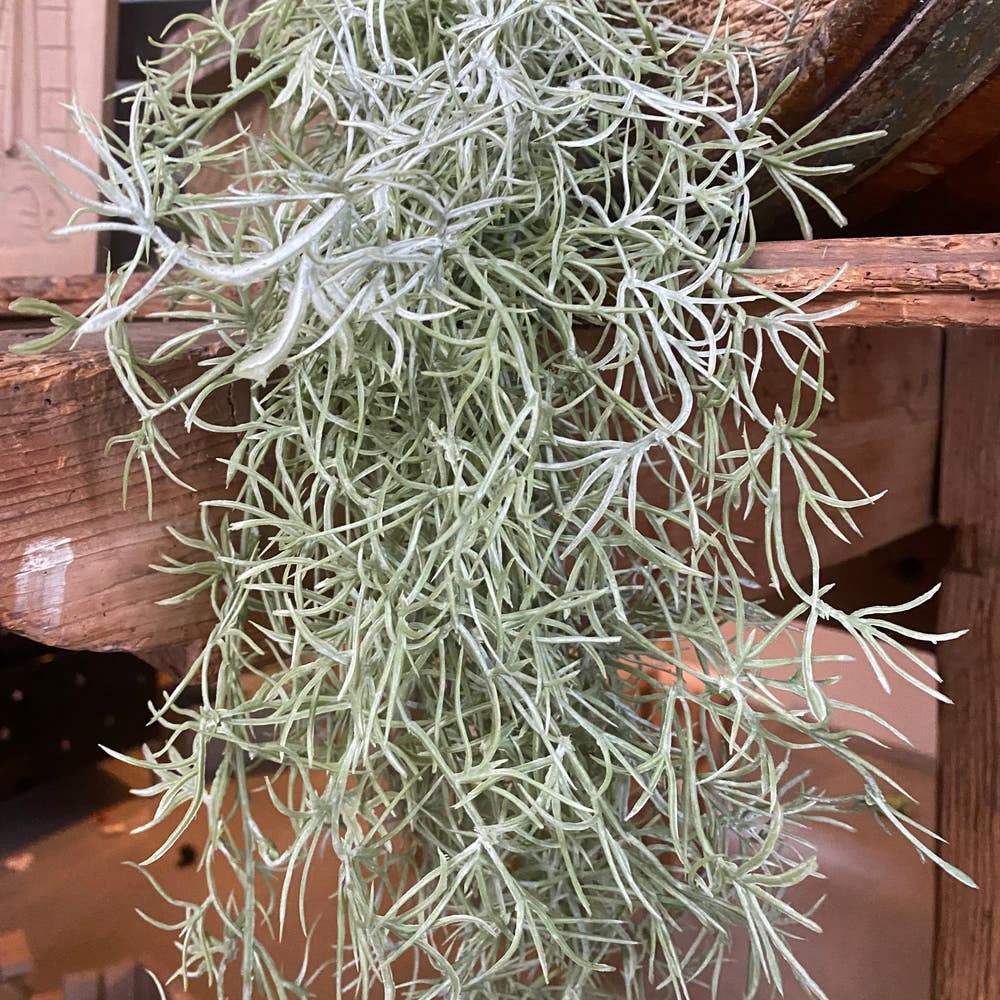
Best Soil for Helichrysum 'Red Jewel'
Helichrysum amorginum 'Red Jewel'
By the Greg Editorial Team
Apr 27, 2024•5 min read
This article was created with the help of AI so we can cover more plants for you. May contain errors. See one? Report it here.
Nurture a vibrant 'Red Jewel' 🌺 to perfection by mastering the art of ideal soil selection and care!
- Mold and compaction signal soil distress; fix with aeration and drying.
- Choose potting mix with good drainage, organic matter, and correct pH.
- DIY soil mix: peat moss, perlite, compost; check moisture and refresh periodically.
Spotting Trouble: When Soil Goes Bad
🚩 Signs Your Soil is Unhappy
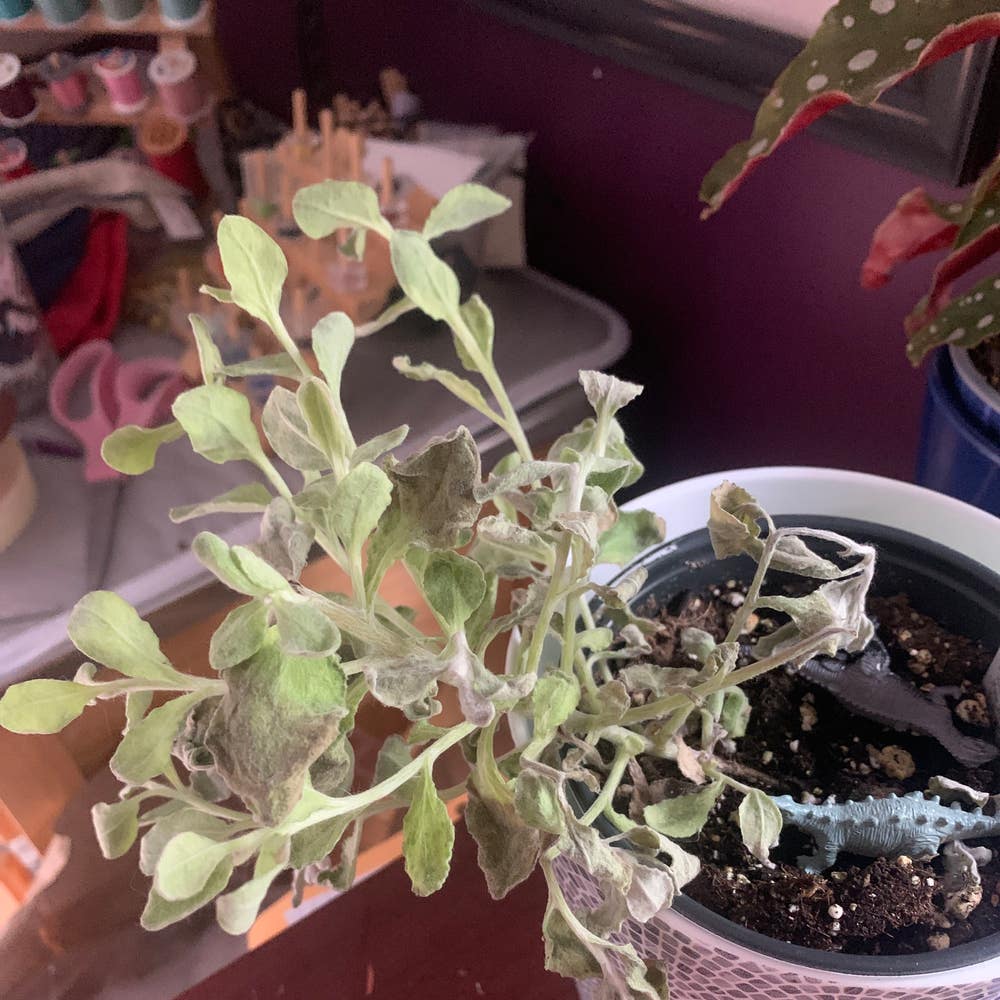
Mold in your Helichrysum 'Red Jewel' soil is a red flag. It's not just a blight on the eyes; it's a symptom of excessive moisture and inadequate air flow. Spot mold by its fuzzy appearance or a distinct musty odor.
Compaction and poor drainage are other signs of distress. If your soil is soggy like a wet sponge, it's too moist. Conversely, if it's as hard as a rock, it's too dry. Both conditions spell trouble for your plant's health.
🛠️ Fixing the Soil Fiasco
Mold mitigation starts with removing visible mold and drying out the soil. Introduce perlite or pumice to boost aeration and prevent future mold outbreaks. If the roots are black or mushy, act quickly to address potential root rot.
Revitalizing compacted soil involves improving drainage and aeration. Mix in materials like perlite or coarse sand to loosen the soil. Ensure your pot has adequate drainage holes and adjust your watering habits to avoid future compaction. Regular soil checks are crucial to catch issues early and keep your 'Red Jewel' thriving.
Shopping Smart: Soil Selection for 'Red Jewel'
🌱 The Quest for the Right Potting Mix
When hunting for the ideal potting mix for your Helichrysum 'Red Jewel', the label is your treasure map. Seek out a mix that boasts aeration and moisture management—these are the cornerstones of root health. Organic matter is your friend, with ingredients like peat moss or coco coir being key for moisture and nutrient retention. Don't overlook perlite or pumice; they're the champions of drainage. A lighter bag often signals better aeration, a crucial factor for thriving roots.
🌿 Top Picks: A Few Favorite Commercial Mixes
Navigating the commercial soil mix jungle can feel overwhelming. Here's a shortcut: look for mixes that contain compost or worm castings for a slow-release nutrient party. If the mix has a featherweight feel, you're on the right track for good aeration. For a pH-balanced life, limestone should be on the ingredient list. Some brands go the extra mile with their own patented additives, which can be a bonus for your plant's growth.
📊 The pH Factor
pH levels are like the social life of your soil—too acidic or too alkaline, and your plant's growth potential takes a hit. Aim for a slightly acidic to neutral pH, the sweet spot for 'Red Jewel'. If the mix is silent on pH, raise an eyebrow and consider it a red flag.
🧪 Testing and Adjusting Soil pH
Get hands-on and test the pH yourself. If you find the soil's pH is off-kilter, don't despair. Adjusting it is part of the fun. You can add lime to nudge it towards neutral or use fertilizers formulated for conifers or azaleas to add acidity. Remember, the right pH ensures your 'Red Jewel' can absorb all the nutrients it needs to flourish.
Crafting the Perfect Home Brew: DIY Soil Mix
💧 The Recipe for Success
Peat moss, perlite, and compost are your trio of choice for a DIY soil mix that caters to the Helichrysum 'Red Jewel'. This combination offers a balance of moisture management, aeration, and nutrients.
Peat moss is the moisture maestro, ensuring your 'Red Jewel' stays hydrated without waterlogging. Perlite keeps the soil light and breathable, promoting healthy root growth. And don't forget the compost—it's the nutrient-rich cherry on top.
🌱 Balancing Nutrients
Organic matter is the soul of your soil mix. It's not just about filling a pot; it's about creating a nutrient haven for your plant. A generous scoop of compost provides the organic matter your 'Red Jewel' craves, fostering robust growth and vibrant blooms.
📋 Step-by-Step Mixing Guide
- Gather your ingredients: peat moss, perlite, and compost. Think of this as your soil mix shopping list.
- Measure out 3 parts peat moss to 1 part perlite. This is your base mix, ensuring proper moisture and aeration.
- Add a generous scoop of compost for that nutrient kick. This is where your plant gets its food.
- Mix everything thoroughly. You're aiming for a uniform blend, where each scoop is as perfect as the last.
- Feel the mix. It should clump slightly then break apart easily. If it's too dry, add water with a sprinkle of finesse. Too wet? More peat or perlite will do the trick.
- Test the pH. Your 'Red Jewel' prefers it slightly acidic. Adjust with more peat or a dash of lime if needed.
Remember, this is an art as much as it is science. Observe your plant's response and tweak the mix as you go. Your 'Red Jewel' will show its gratitude through its lush, vibrant growth.
The Long Haul: Keeping Your Soil Supreme
💧 Moisture Mastery
Moisture is the lifeblood of Helichrysum 'Red Jewel', but too much or too little can send your plant into a tailspin. Weekly checks are non-negotiable. Use your finger or a moisture meter to ensure the soil feels like a wrung-out sponge—moist, not drenched.
🕰 Periodic Check-ups and Tweaks
Visual cues are your allies. Inspect your soil's texture and color; it should look like crumbly, dark chocolate cake. If it's more Sahara desert or Mississippi mud than prime planting material, it's time for action. Every couple of years, rejuvenate your soil with a cocktail of fresh perlite, coarse sand, and peat moss. This isn't just maintenance; it's a revival.
⚠️ Safety First
This content is for general information and may contain errors, omissions, or outdated details. It is not medical, veterinary advice, or an endorsement of therapeutic claims.
Always consult a qualified healthcare professional before using any plant as food, medicine, or supplement.
Never eat any plant (or feed one to pets) without confirming its identity with at least two trusted sources.
If you suspect poisoning, call Poison Control (800) 222-1222, the Pet Poison Helpline (800) 213-6680, or your local emergency service immediately.
Spotted an error? Please report it here.
Craft the ideal DIY soil mix for your Helichrysum 'Red Jewel' and let Greg guide you 🌿 with personalized moisture monitoring and soil amendment tips!