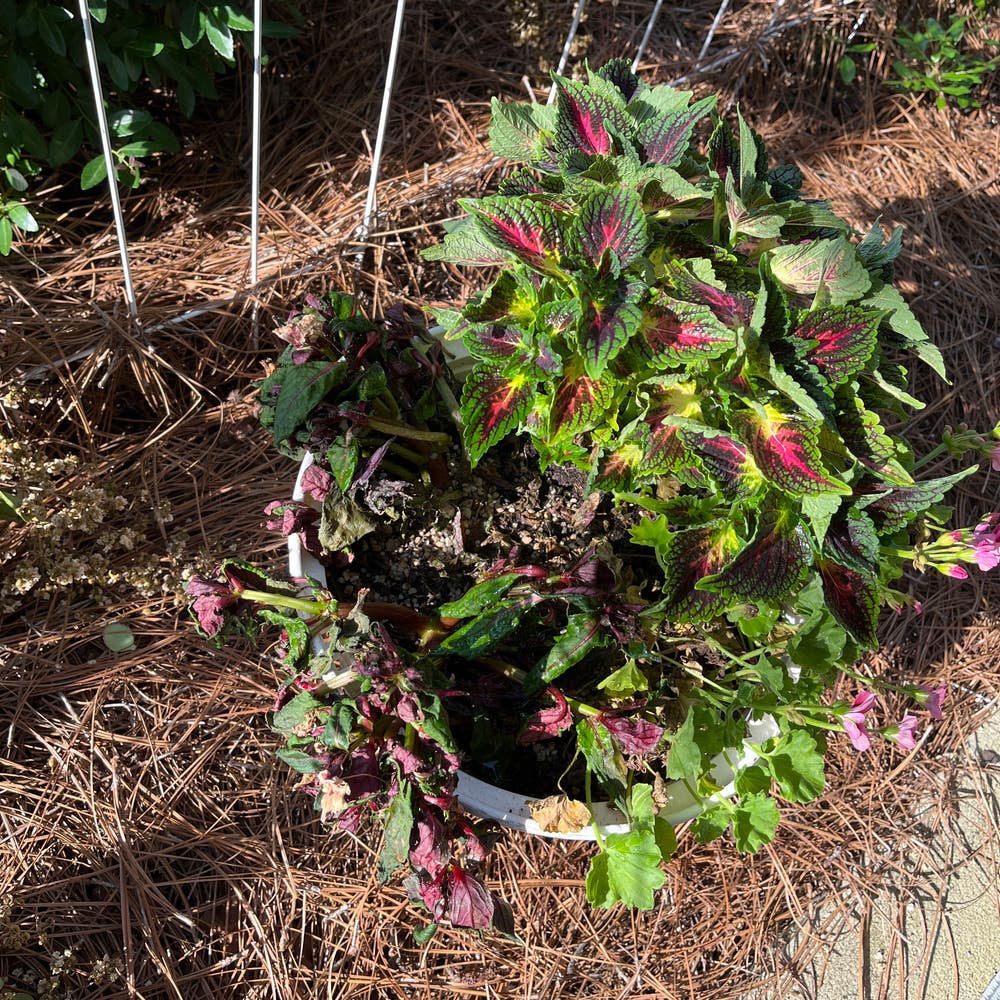
🖐 Should I Repot My Balfour's Touch-Me-Not And If So, How?
Impatiens balfourii
By the Greg Editorial Team
Apr 28, 2024•4 min read
This article was created with the help of AI so we can cover more plants for you. May contain errors. See one? Report it here.
Unearth the secret to a happier Balfour's Touch-Me-Not 🌿 with our savvy repotting guide for lush growth!
- Roots out the drainage holes? Time to repot your Balfour's Touch-Me-Not.
- 🌱 Choose terracotta or ceramic based on moisture needs and watering habits.
- Post-repot care: Water carefully and monitor for healthy new growth.
Spotting the Telltale Signs It's Time to Repot
🌱 Root Tango: When Roots Out-Dance the Pot
Roots peeking out of the pot's drainage holes are a dead giveaway that your Balfour's Touch-Me-Not is feeling claustrophobic. It's not trying to explore the outside world; it's suffocating. When roots circle the soil's surface or attempt an escape through the bottom, it's a clear repotting SOS.
📉 Sluggish Growth: More than Just a Lazy Plant
If your plant's growth has slowed to a snail's pace, it's not just being lazy. A cramped root system can't support vigorous growth, and it's your cue to give it a new, spacious home. Stunted growth is your plant's silent scream for more room, not a sign of a relaxed lifestyle.
💧 The Water Rush: When Drainage Becomes a Sprint
When water zips through the pot like it's racing to the finish line, it's not a feature; it's a flaw. Overly quick drainage means your plant's roots are too packed to absorb the water properly. Conversely, if the soil stays wet for too long, it's a sign of compaction and poor aeration, both of which spell trouble for your plant's health.
Choosing the Right Pot: Material Matters
🏺 Terracotta vs. Plastic: The Breathability Battle
Terracotta pots are the MVPs of moisture control, wicking away excess water like a pro. They're perfect if you're heavy-handed with the watering can but need more frequent drinks due to their porous nature. Plastic pots, on the flip side, are like raincoats for your roots—great for drought-prone plant parents but a potential swamp for the overzealous waterer.
🌸 Ceramic Charm: When Beauty Meets Function
Ceramic pots bring the aesthetic A-game to your plant setup, with a touch of breathability thrown in. They're less porous than terracotta, meaning they strike a balance between moisture management and watering frequency. Just ensure they have drainage holes; otherwise, you're playing with root rot roulette.
💦 The Self-Watering Debate: Convenience or Complication?
Self-watering pots promise a hands-off hydration experience, but they're not for every plant or person. They can be a godsend for forgetful folks but might encourage root laziness in plants that prefer a dry-out between sips. Consider your plant's needs and your own habits before jumping on the self-watering bandwagon.
The Repotting Rundown: A Step-by-Step Guide
🌱 Pre-Repot Prep: Choosing Soil and Pot Size
First things first, select a pot that's a size larger than the current one; think of it as your plant's new luxury condo. Avoid the temptation to go too big – it's not a mansion, and you don't want your plant swimming in soil. As for the potting mix, choose a fresh, well-draining variety. Your Balfour's Touch-Me-Not doesn't enjoy wet feet.
🌿 The Gentle Uproot: Safely Extracting Your Plant
Time to evict your plant from its cramped quarters. Water the soil beforehand to make the transition smoother. If the pot's clinging on for dear life, a gentle tap on its sides should do the trick. Remember, this isn't a wrestling match – treat the roots with the care they deserve.
🕵️♂️ Root Health Check: What to Look For
Once out, it's time for a root inspection. Look for dead or rotting roots and give them a trim – think of it as a much-needed haircut. Healthy roots should be untangled gently, not ripped apart. This isn't a spaghetti dish; it's a living thing.
🏡 Settling In: Planting in the New Pot
Now for the grand entrance. Place your plant in its new home, ensuring it's not buried deeper than it was before. Fill in with soil, but don't compress it like you're packing a suitcase. Roots need room to breathe. Water well to help your plant settle in, but don't drown it – it's a drink, not a bath.
Aftercare: Helping Your Plant Thrive Post-Repot
💧 The First Water: Encouraging Recovery
After the repotting shuffle, your plant's roots are parched. Water judiciously—enough to hydrate but not drown. Think of it as a soothing spa, not a floodgate release.
🌿 Location and Light: Re-establishing Your Plant
Next, find a bright spot for your green buddy, away from the harsh sun's spotlight. Consistency is key; no need to give your plant a tour of every window in your home.
👀 Monitoring and Maintenance: What to Expect
Keep a watchful eye on your leafy charge. New growth? You're on the right track. Drooping leaves? Time to tweak your care routine. Remember, patience is more than a virtue; it's a necessity.
⚠️ Safety First
This content is for general information and may contain errors, omissions, or outdated details. It is not medical, veterinary advice, or an endorsement of therapeutic claims.
Always consult a qualified healthcare professional before using any plant as food, medicine, or supplement.
Never eat any plant (or feed one to pets) without confirming its identity with at least two trusted sources.
If you suspect poisoning, call Poison Control (800) 222-1222, the Pet Poison Helpline (800) 213-6680, or your local emergency service immediately.
Spotted an error? Please report it here.
Ensure your Balfour's Touch-Me-Not is always at its best by using Greg's timely reminders 🕰 for the ideal repotting moment, tailored to your plant's unique needs.