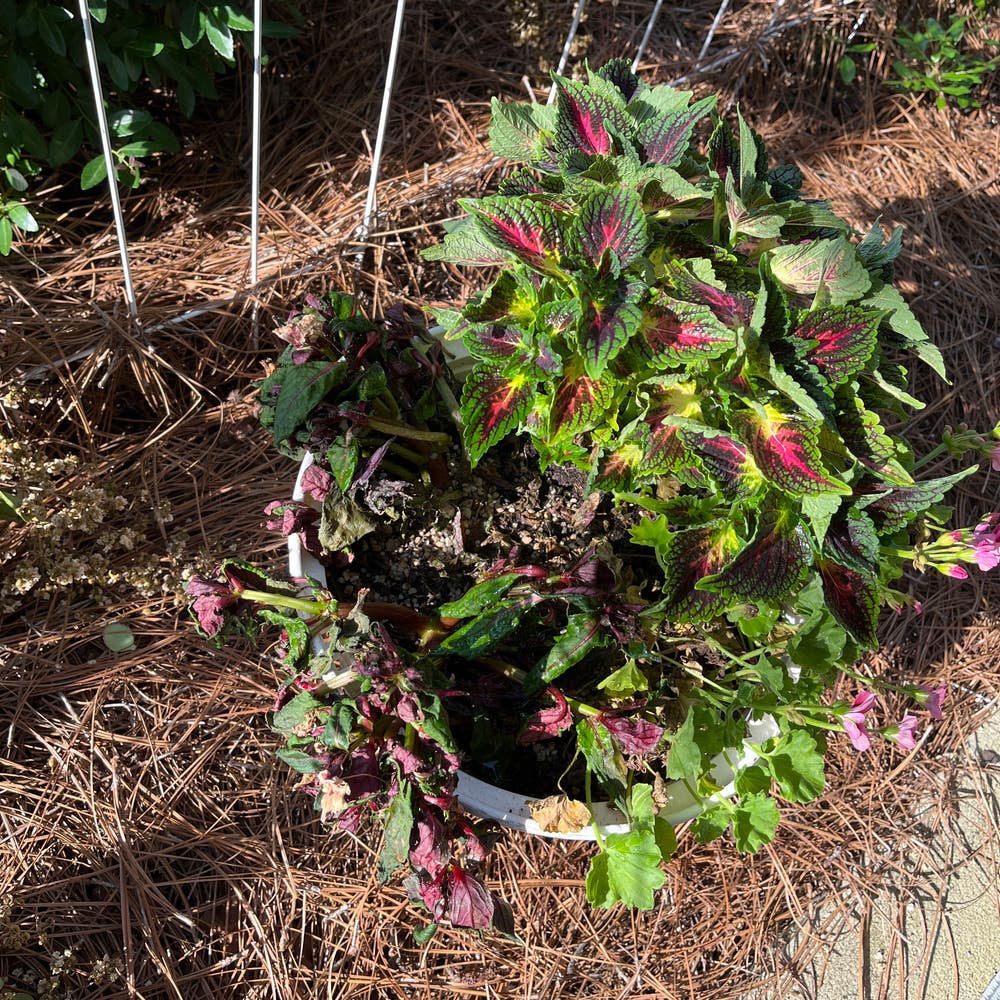
🖐 Why Are My Balfour's Touch-Me-Not Leaves Droopy?
Impatiens balfourii
By the Greg Editorial Team
Apr 28, 2024•3 min read
This article was created with the help of AI so we can cover more plants for you. May contain errors. See one? Report it here.
Say goodbye to droopy leaves 🍂 and hello to a thriving Balfour's Touch-Me-Not with these essential care tips!
- 💧 Balance watering - too much or too little causes droop; use moisture meters.
- ☀️🌡️ Consistent light and temperature are key to preventing droopy leaves.
- 🌿 Use balanced fertilizer to avoid nutrient deficiencies and maintain leaf health.
Why the Droop? Pinpointing the Culprits
💧 Overwatering Overload
Roots aren't fish; they don't like swimming. Overwatering turns the soil into a no-breathing zone, causing leaves to droop from the stress. Check the soil: if it's more swamp than soil, it's time to ease up on the H2O.
🏜️ Thirsty Leaves: The Underwatering Issue
Conversely, underwatering leaves your plant as parched as a desert traveler. Leaves wilt, soil's dry, and you're left with a sad, thirsty Touch-Me-Not. Moisture check: the soil should feel like a wrung-out sponge, not a dust bowl.
🌞 Light and Temperature: A Balancing Act
Too much sun? Leaves bake. Not enough? They sulk. Find that Goldilocks zone where your plant gets just the right amount of sunshine. And temperature? Think cozy, not tropical. Balance is key to keeping droop at bay.
🍽️ The Nutrient Balancing Game
Leaves dropping like flies? Might be a cry for nutrients. A lackluster green often points to a nitrogen deficiency. Aim for a fertilizer that's like a multivitamin for your plant, and watch those leaves perk up.
Bouncing Back: Remedies for the Droops
💧 Water Wisdom: Getting It Just Right
Moisture meters aren't just fancy gadgets; they're your plant's lifeline. Use one to gauge soil wetness or trust the age-old finger test—top inch dry? Time to water. Remember, it's a sip, not a soak; let the soil dry a bit between waterings.
☀️ Let There Be (The Right Amount of) Light
Your plant craves light, but not the scorch of midday sun. Bright, indirect light is the sweet spot. Too much and you're flirting with leaf burn, too little and you're in droop city. Adjust your plant's position with the sun's mood swings.
🌡️ Temperature Tactics: Keeping Your Plant Comfy
Keep temperatures as consistent as a favorite playlist. Avoid drafts and heat sources like they're spoilers for your favorite show. Think of your plant as preferring a steady climate, not a weather rollercoaster.
🌿 Nutrient Know-How: Feeding for Strength
A balanced fertilizer is like a well-rounded diet for your plant. Overdo it and you're in trouble; underdo it and you'll see the droops. Watch your plant's reaction to feeding—it'll tell you if you've hit the nutrient jackpot.
Keeping the Leaves Lively: Prevention Strategies
💧 Watering Rhythms: Sticking to a Schedule
Crafting a watering routine is like setting an alarm; it's about consistency. Your Balfour's Touch-Me-Not craves a drink when the top inch of soil feels dry. No guesswork—use a moisture meter or the finger test to nail the timing. Adjust for the seasons; your plant's thirst isn't static.
🌿 Consistent Conditions: The Key to Happy Leaves
Stable light and temperature conditions are non-negotiable for leaf vitality. Keep your plant in a spot with bright, indirect light—direct sunlight is a recipe for wilt. Temperature swings are the enemy; find that sweet spot and keep it steady. Think comfortable living room vibes, not a drafty corridor or a stuffy attic. Use a pebble tray or misting to maintain humidity levels that don't fluctuate like a yo-yo.
⚠️ Safety First
This content is for general information and may contain errors, omissions, or outdated details. It is not medical, veterinary advice, or an endorsement of therapeutic claims.
Always consult a qualified healthcare professional before using any plant as food, medicine, or supplement.
Never eat any plant (or feed one to pets) without confirming its identity with at least two trusted sources.
If you suspect poisoning, call Poison Control (800) 222-1222, the Pet Poison Helpline (800) 213-6680, or your local emergency service immediately.
Spotted an error? Please report it here.
Keep your Balfour's Touch-Me-Not leaves upright and vibrant 🌿 with Greg's tailored reminders that help you strike the perfect balance of water, light, and nutrients.