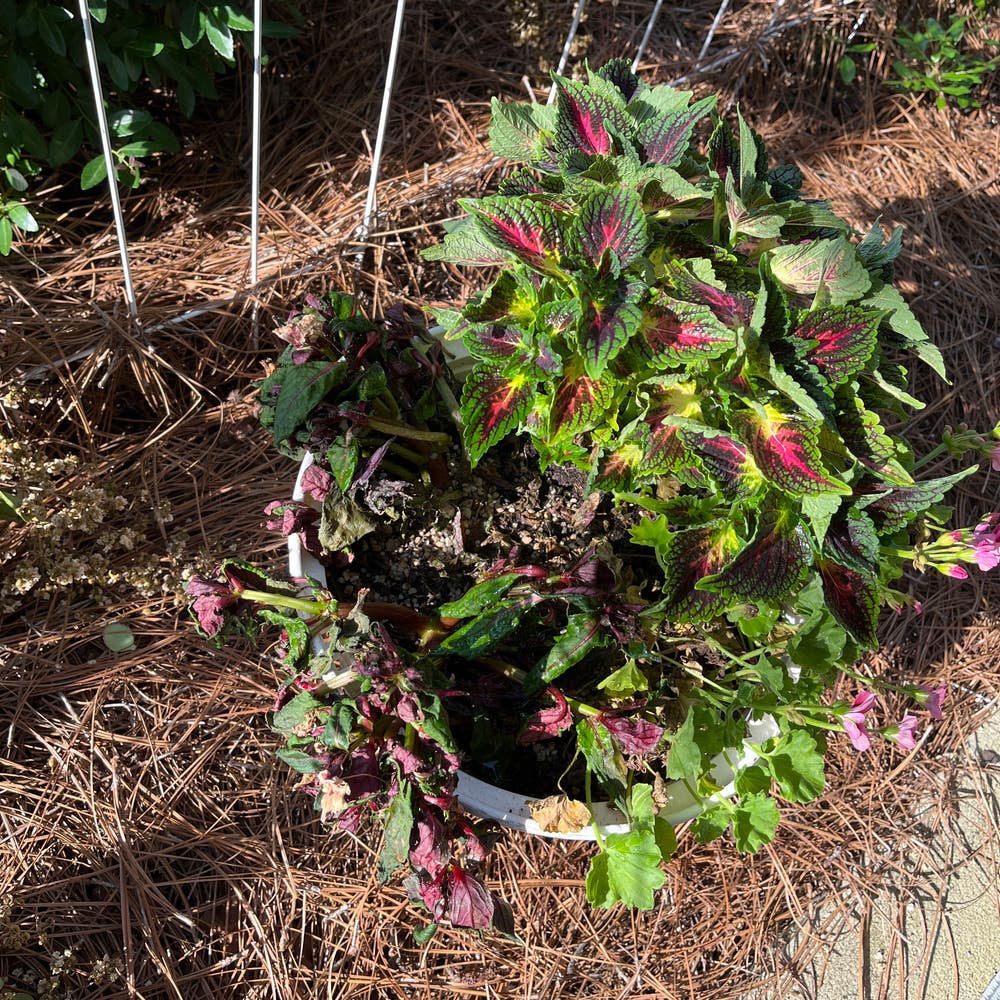
🤚 Where Can Balfour's Touch-Me-Not Grow? Zones 6a-9b
Impatiens balfourii
By the Greg Editorial Team
Oct 09, 2024•4 min read
This article was created with the help of AI so we can cover more plants for you. May contain errors. See one? Report it here.
Master Balfour's Touch-Me-Not 🌱 by understanding its temperature needs and microclimates for vibrant growth!
- 🌱 Balfour's Touch-Me-Not thrives in USDA zones 6a to 9b with ideal temperatures.
- 🌤️ Optimal growth occurs between 60°F and 75°F, avoiding frost and extreme heat.
- 🌍 Microclimates can enhance growth, allowing flexibility beyond typical hardiness zones.
Temperature Tolerance of Balfour's Touch-Me-Not
❄️ Cold Tolerance Specifics
Balfour's Touch-Me-Not can withstand minimum temperatures down to 0°F (-18°C). However, it is sensitive to frost, necessitating protection from freezing conditions to ensure healthy growth.
🔥 Heat Tolerance Specifics
On the flip side, this plant can tolerate maximum temperatures up to 90°F (32°C). Prolonged exposure to high heat can negatively impact its growth and flowering, so monitoring temperature is crucial.
🌡️ Ideal Temperature Ranges for Growth
For optimal thriving, Balfour's Touch-Me-Not prefers a temperature range of 60°F to 75°F (15°C to 24°C). Maintaining consistent temperatures within this range is vital for promoting robust health and vibrant blooms.
Understanding these temperature tolerances helps gardeners create the best environment for Balfour's Touch-Me-Not, setting the stage for successful cultivation. Next, let’s explore the ideal growing regions for this unique plant.
Ideal Growing Regions
🌍 Examples of US States in Zones 6a-9b
Balfour's Touch-Me-Not thrives in several states across the U.S. Notable examples include:
- North Carolina
- Tennessee
- California
- Texas
- Virginia
These states provide the right climate and conditions for this unique plant to flourish.
🌱 Factors Contributing to Ideal Growing Conditions
For optimal growth, Balfour's Touch-Me-Not requires specific environmental factors.
- Soil Type: It prefers well-drained, moisture-retentive soils that prevent waterlogging.
- Light Conditions: This plant thrives in shaded to partially sunny areas, making it versatile for various garden settings.
☁️ Regional Climate Characteristics
Understanding the climate in zones 6a-9b is crucial for successful cultivation.
These regions typically experience a mix of temperate climates, with moderate humidity and rainfall patterns.
Humidity levels and consistent rainfall are essential for Balfour's Touch-Me-Not, as they support healthy growth and flowering.
In summary, selecting the right state and understanding the local climate can significantly enhance your chances of successfully growing Balfour's Touch-Me-Not. Next, we’ll explore how microclimates can further influence its growth potential.
Microclimates and Their Impact
🌦️ Definition and Formation of Microclimates
Microclimates are localized climate zones that differ from the surrounding area. They can form due to various factors, including elevation changes, proximity to water bodies, and urban structures.
🌍 Factors Creating Microclimates
- Elevation: Higher altitudes often experience cooler temperatures.
- Water Proximity: Areas near lakes or rivers can have moderated temperatures.
- Urban Structures: Buildings can create heat islands, raising local temperatures.
🌱 Extending Growing Range with Microclimates
Microclimates enable plants like Balfour's Touch-Me-Not to thrive outside their typical hardiness zones. These localized conditions can provide the warmth or moisture necessary for survival.
📍 Importance of Localized Conditions
Understanding microclimates is crucial for gardeners. They can significantly influence plant health, growth rates, and flowering patterns.
🌊 Examples of Microclimate Effects on Balfour's Touch-Me-Not
Case studies show Balfour's Touch-Me-Not flourishing in unexpected areas. For instance, in a coastal microclimate, these plants benefit from the humidity and milder temperatures.
🌿 Specific Adaptations for Thriving
Balfour's Touch-Me-Not has developed adaptations that allow it to thrive in diverse microclimates. These include flexible growth habits and a tolerance for varying moisture levels.
Microclimates can be a game-changer for gardeners looking to cultivate Balfour's Touch-Me-Not. Understanding these unique conditions opens up new possibilities for growth and success. Next, we’ll explore state-level suitability for this fascinating plant.
State-Level Suitability Analysis
🌱 Suitable States for Balfour's Touch-Me-Not
Balfour's Touch-Me-Not thrives in several states across the U.S., particularly those within hardiness zones 6a to 9b. Here’s a detailed look at some of the best states for this plant:
- North Carolina: Known for its diverse climates, regions like the Piedmont and coastal areas provide ideal conditions.
- Tennessee: The temperate climate, especially in the central and eastern parts, supports healthy growth.
- California: Coastal and inland areas offer the right balance of warmth and moisture.
- Texas: Regions with moderate temperatures, particularly in the east, are suitable for thriving plants.
- Virginia: The varied climate zones, especially in the western parts, create a perfect environment.
🚫 Non-Suitable States and Reasons
While Balfour's Touch-Me-Not flourishes in many areas, some states present challenges:
- North Dakota: Extreme cold temperatures make it unsuitable for growth.
- Montana: Harsh winters and dry conditions hinder its survival.
- Wyoming: Lack of humidity and extreme weather patterns pose significant challenges.
These states typically experience conditions that are too severe for Balfour's Touch-Me-Not, including freezing temperatures and unsuitable soil types.
❄️ Discussion on Frost Dates and Their Relevance
Understanding frost dates is crucial for successful planting. The first frost date marks when temperatures drop low enough to potentially damage plants, while the last frost date indicates when it's safe to plant without the risk of frost.
Knowing these dates helps gardeners plan effectively. It ensures that Balfour's Touch-Me-Not is planted at the right time, maximizing its chances for healthy growth and blooming.
With this knowledge, you can better navigate the growing conditions for Balfour's Touch-Me-Not, setting the stage for successful gardening adventures. Next, let’s explore how microclimates can further enhance your gardening experience.
⚠️ Safety First
This content is for general information and may contain errors, omissions, or outdated details. It is not medical, veterinary advice, or an endorsement of therapeutic claims.
Always consult a qualified healthcare professional before using any plant as food, medicine, or supplement.
Never eat any plant (or feed one to pets) without confirming its identity with at least two trusted sources.
If you suspect poisoning, call Poison Control (800) 222-1222, the Pet Poison Helpline (800) 213-6680, or your local emergency service immediately.
Spotted an error? Please report it here.
Grow Balfour's Touch-Me-Not like a pro 🌿 by using Greg's tailored care tips and reminders to navigate your local climate for thriving plants!