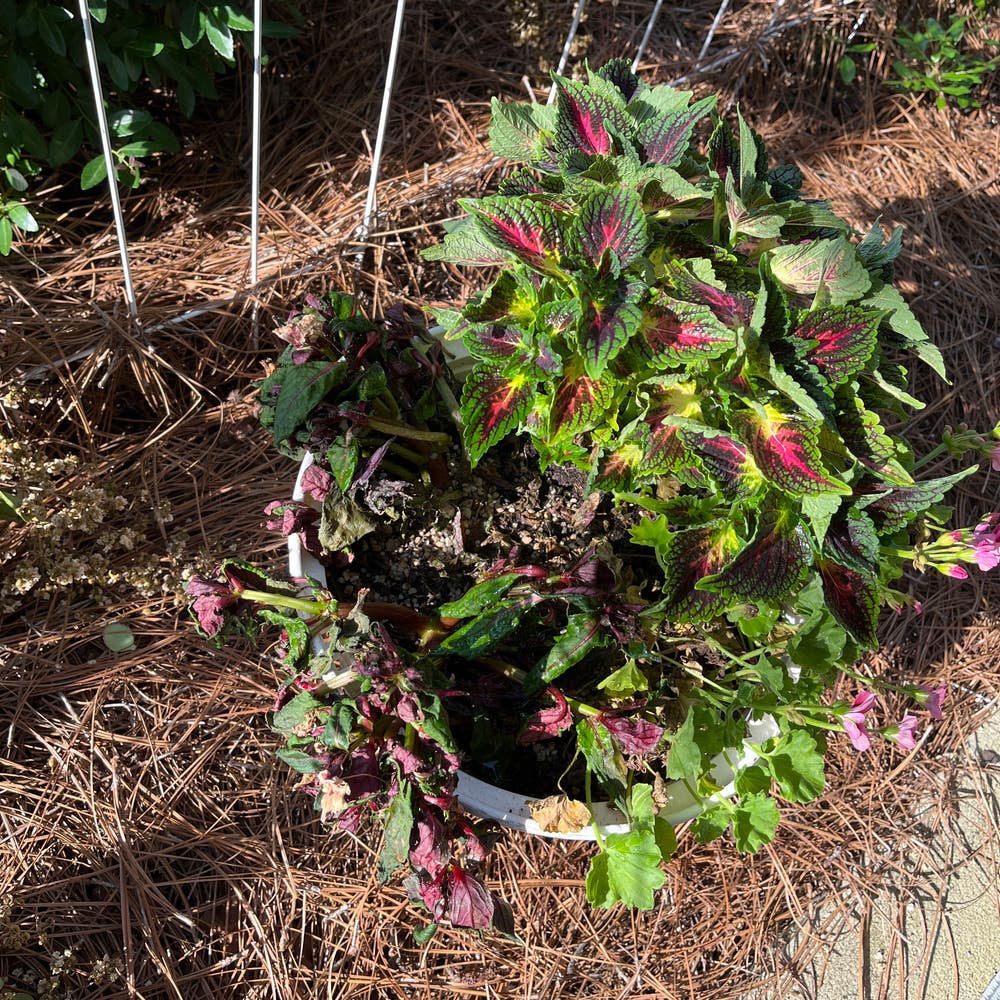
Why Does My Balfour's Touch-Me-Not Have Yellow Leaves?
Impatiens balfourii
By the Greg Editorial Team
Apr 28, 2024•3 min read
This article was created with the help of AI so we can cover more plants for you. May contain errors. See one? Report it here.
Solve the mystery of your Balfour's Touch-Me-Not's yellow leaves and reclaim its lush green splendor! 🌿🔍
- 💧 Over or underwatering can cause yellow leaves; balance soil moisture.
- ☀️🌱 Lighting issues? Adjust location for the right balance of light.
- 🌡️🍂 Stable climate and nutrients prevent yellowing from temperature stress and deficiency.
Pinpointing the Culprits Behind Yellow Leaves
💦 Overwatering and Root Health
Yellowing leaves on your Balfour's Touch-Me-Not might be screaming, "Help, I'm drowning!" Overwatering is often the culprit. If the soil feels soggy and the roots look more like wet noodles than sturdy anchors, it's time for an intervention.
To rescue your waterlogged green buddy, ease up on the hydration station. Let the soil dry out between waterings, and consider repotting with fresh, well-draining soil to give those roots some breathing room.
🏜️ Underwatering and Its Telltale Signs
Conversely, leaves that crumble like autumn foliage could be a sign of thirst. If the soil is as dry as a desert, your plant is dehydrated and in need of a drink.
Craft a watering schedule that ensures consistent moisture without overdoing it. Wait until the top inch of soil is dry before giving your plant a soak. It's like a spa day for your plant's roots—refreshing but not overindulgent.
🌞 Light: Finding the Sweet Spot
Leaves that look bleached or sunburnt might be telling you they're getting too much light. On the flip side, leggy stems and faded leaves could mean your plant is starving for some rays.
Adjust your plant's location to find that Goldilocks zone of just-right light. East or west-facing windows are often ideal for that perfect balance of sunshine and shade.
🍽️ Nutrient Deficiency: The Silent Yellowing Agent
Yellow leaves can also whisper tales of nutrient deficiency. If your plant's leaves are turning pale but the veins remain green, it's likely crying out for some nutritional love.
Choose a balanced fertilizer and follow the label's instructions to avoid overfeeding. Think of it as a well-rounded diet for your leafy friend—too much junk food is just as bad as none at all.
🌡️ Temperature and Drafts: Avoiding the Extremes
Balfour's Touch-Me-Not prefers a stable climate, not a rollercoaster of temperatures. Leaves might start yellowing if your plant is shivering in a draft or sweating in a heatwave.
Keep your plant away from air conditioners, heaters, and drafty windows. Stable temperatures will keep your plant comfortable and its leaves a vibrant green.
Turning Over a New Leaf: Remedies for Each Cause
💧 Watering Wisdom: Balancing Moisture Levels
Proper watering is crucial. Check the soil's moisture by feeling an inch below the surface; it should be dry before you water again. Overwatering can suffocate roots, so ensure your pot has drainage holes and consider adding perlite for better aeration.
🌞 Light Regulation: Ensuring Adequate Photosynthesis
Your Balfour's Touch-Me-Not needs bright, indirect light. Too much direct sunlight can scorch leaves, while too little can weaken the plant. Rotate the plant regularly to ensure even exposure and use sheer curtains to diffuse intense light.
🍽️ Feeding Your Plant: Nutrient Management
Fertilize with a balanced, water-soluble fertilizer during the growing season, but don't overfeed. Overfeeding can harm as much as underfeeding. Less is more; aim for a light feeding every few weeks rather than a heavy dose all at once.
🌡 Keeping the Climate Consistent
Stable temperatures and humidity levels are key. Avoid placing your plant near drafty windows or heating vents. Consider a humidifier or pebble tray to maintain moisture, and keep the room temperature consistent for a happy plant.
⚠️ Safety First
This content is for general information and may contain errors, omissions, or outdated details. It is not medical, veterinary advice, or an endorsement of therapeutic claims.
Always consult a qualified healthcare professional before using any plant as food, medicine, or supplement.
Never eat any plant (or feed one to pets) without confirming its identity with at least two trusted sources.
If you suspect poisoning, call Poison Control (800) 222-1222, the Pet Poison Helpline (800) 213-6680, or your local emergency service immediately.
Spotted an error? Please report it here.
Banish yellow leaves and ensure your Balfour's Touch-Me-Not thrives with stable 🌡 care reminders from Greg, tailored to your home's unique environment.