What Temperature Does My Balfour's Touch-Me-Not Need?
Impatiens balfourii
By the Greg Editorial Team
Apr 28, 2024•4 min read
This article was created with the help of AI so we can cover more plants for you. May contain errors. See one? Report it here.
Ensure your Balfour's Touch-Me-Not flourishes by nailing its delicate temperature balance 🌡️🌱.
- 60°F to 75°F is ideal for Balfour's Touch-Me-Not, with cooler nights.
- 🌡️ Monitor and adjust to prevent wilting, crispy edges, or mushy spots.
- Use gadgets like thermometers and humidifiers for stable conditions.
Dialing in the Perfect Temperature
♨️ The Goldilocks Zone: Ideal Temperature Range for Growth
Balfour's Touch-Me-Not thrives in the sweet spot. The ideal temperature range is a cozy 60°F to 75°F (15°C to 24°C). This isn't just a comfort zone; it's the Goldilocks Zone where growth and flowering potential are maximized.
🌡️ Seasonal Adjustments: Modifying Temperatures for Summer and Winter
Summer's heat means you might need to pull back, giving your plant a break from the intense sun. Shade cloth or a strategic move away from the window can prevent a plant meltdown. Winter, on the other hand, calls for warmth. Keep your Touch-Me-Not away from drafts and consider a spot that catches the gentle morning sun.
🌙 Night and Day: Understanding Daily Temperature Needs
Daytime warmth is great, but don't forget the night. A drop of 10-15°F when the sun sets isn't just nice, it's necessary. This temperature dip helps with energy conservation and ensures your plant gets the rest it needs for those vibrant blooms. It's like turning off the lights after a long day—everyone needs downtime.
When Your Plant Feels the Heat or Chill
🌡️ Spotting the Signs of Temperature Trouble
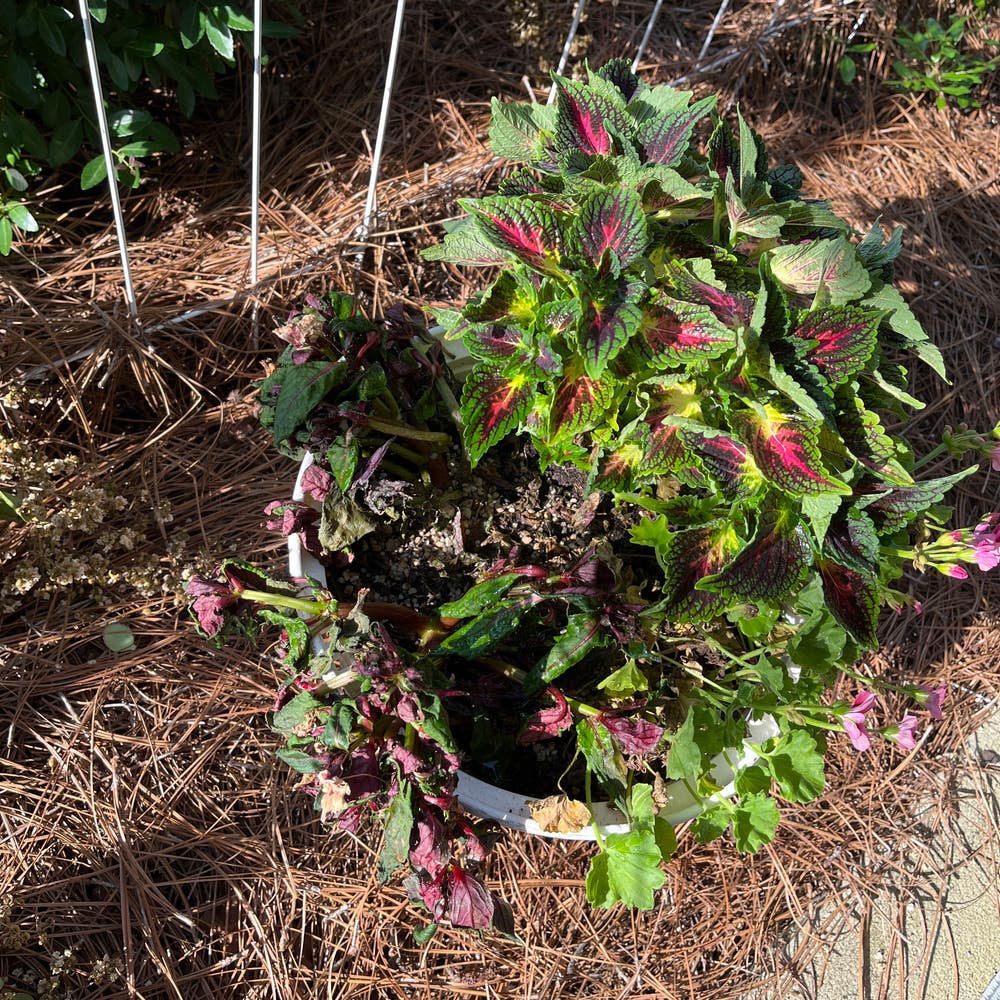
Balfour's Touch-Me-Not is as expressive as a plant can get when it comes to temperature stress. Wilting leaves are the equivalent of your plant waving a white flag, signaling it's too hot or too cold. If the leaves look like they've been through a desert storm or a winter blizzard, it's time to reassess the thermostat. Crispy edges on leaves scream sunburn, while mushy spots hint at frost damage. Keep an eye out for stunted growth; it's the plant's way of hitting the pause button on life until conditions improve.
From Symptoms to Solutions: Addressing Temperature Stress
When your Balfour's Touch-Me-Not starts to show signs of temperature stress, it's time to channel your inner plant paramedic. Too hot? Create a microclimate that's more "cool breeze" than "heat wave." Think hydration and shade—your plant's personal chill-out zone. Too cold? Wrap it up like a burrito. Insulate with bubble wrap or relocate to a toastier locale. Remember, consistency is key—avoid temperature swings as if they were plot spoilers. And for the love of greenery, keep those heaters and air conditioners at bay; they're notorious for creating plant-unfriendly microclimates.
Keeping the Heat Just Right
🌬️ Preventing Temperature Tantrums
Drafts are the invisible enemy of Balfour's Touch-Me-Not. To combat these sneaky gusts, position your plant in a draft-free zone, away from the unpredictable openings of doors and windows. Consistency in temperature is like a trust fund for your plant's well-being; it ensures growth without the sudden shocks of change.
🛠️ Tools of the Trade: Gadgets to Help Monitor and Control Temperature
Thermometers are the unsung heroes in the plant world, offering real-time updates on your green friend's living conditions. Consider them your plant's personal meteorologist. For those colder nights, a heating mat acts like a snug electric blanket, gently warming the roots. On the flip side, when the indoor heat rises, a simple fan can circulate air and prevent your plant from wilting like forgotten lettuce.
For the tech enthusiasts, smart thermostats can automate your plant's climate, adjusting temperatures without you lifting a finger. It's like having a botanical butler at your service. And remember, regular monitoring isn't just recommended; it's crucial to catch those temperature dips and spikes before they become full-blown tantrums.
A Quick Nod to Humidity
💦 Humidity's Sidekick Role to Temperature
Humidity and temperature are like a dynamic duo in the plant world, each playing a pivotal role in the well-being of your Balfour's Touch-Me-Not. Ideal humidity levels are just as crucial as the temperature for maintaining plant health.
The Humidity-Temperature Tango
As the thermostat climbs, so does the air's moisture-holding capacity. This means that as you adjust the temperature for your Balfour's Touch-Me-Not, you might also need to tweak the humidity to keep everything in balance.
Monitoring Made Easy
Don't rely on guesswork; use a hygrometer to keep an eye on moisture levels. This tool is your best bet for ensuring your plant's environment isn't too muggy or bone-dry.
Humidity Hacks
Creating a microclimate by grouping plants together can help maintain ambient moisture. Alternatively, during those parched winter months, a humidifier can be your plant's best friend, ensuring the air isn't as dry as a desert.
Remember, while temperature might steal the spotlight, humidity plays a supporting role that's just as important for the health of your Balfour's Touch-Me-Not. Keep both in check, and your plant will thank you with vibrant growth.
⚠️ Safety First
This content is for general information and may contain errors, omissions, or outdated details. It is not medical, veterinary advice, or an endorsement of therapeutic claims.
Always consult a qualified healthcare professional before using any plant as food, medicine, or supplement.
Never eat any plant (or feed one to pets) without confirming its identity with at least two trusted sources.
If you suspect poisoning, call Poison Control (800) 222-1222, the Pet Poison Helpline (800) 213-6680, or your local emergency service immediately.
Spotted an error? Please report it here.
Ensure your Balfour's Touch-Me-Not always stays in the Goldilocks Zone 🌡️ with Greg's personalized reminders for the perfect temperature and humidity balance, so your plant never suffers a temperature tantrum!