Diagnosing Balfour's Touch-Me-Not Root Rot
Impatiens balfourii
By the Greg Editorial Team
Apr 28, 2024•5 min read
This article was created with the help of AI so we can cover more plants for you. May contain errors. See one? Report it here.
Rescue your touchy Balfour 🌿 from root rot's grip with life-saving diagnosis and care tips!
- Yellow leaves and wilting signal potential root rot in Balfour's Touch-Me-Not.
- Healthy roots are firm; rotten ones soft and smelly. Inspect and trim as needed.
- Prevent root rot with well-draining soil, proper pot size, and balanced watering.
Spotting the Red Flags: Symptoms of Root Rot
🚩 Visual Clues
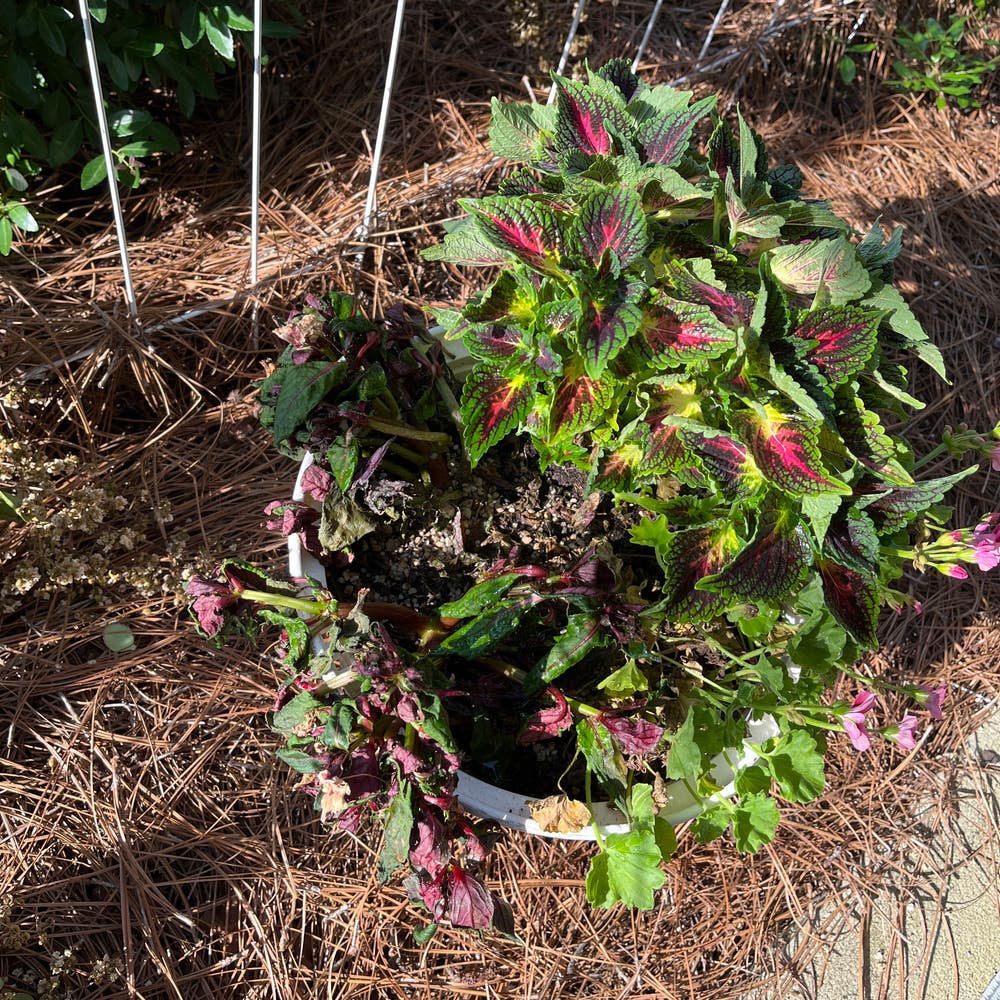
When Balfour's Touch-Me-Not starts looking like it's on a hunger strike with yellowing leaves and a wilting posture, it's not just being dramatic. These are the visual cues that scream "check my roots!" like a toddler tugging at your sleeve.
🕵️ Below the Surface
To get to the root of the problem, literally, you'll need to play plant detective. Mushy, discolored roots are the smoking gun, and a foul odor is the confession. It's not the fresh earthy scent you'd expect; it's the stench of defeat. If your plant's roots look like overcooked noodles, it's time to take action.
Unearthing the Problem: Diagnosis Techniques
🕵️♂️ Root Inspection
To safeguard your Balfour's Touch-Me-Not, a root inspection is essential. Here's the lowdown:
- Gently remove the plant from its pot, like you're defusing a bomb.
- Shake off excess soil to reveal the roots, but be as tender as a brain surgeon.
- Use sterilized tools for any cutting—think surgical cleanliness.
🩺 Confirming Root Rot
Now, let's play plant pathologist:
- Healthy roots are firm and springy, sporting a tan or white color.
- Rotten roots are the plant's cry for help: soft, brown, and often smelly.
- If the roots crumble like stale cookies, it's time for some serious triage.
- Still unsure? A professional lab test is the equivalent of a plant MRI.
Remember, this isn't just about playing doctor; it's about giving your plant a fighting chance.
Cutting Out the Rot: Immediate Treatment Measures
🩹 Salvaging the Plant
When root rot rears its ugly head in Balfour's Touch-Me-Not, it's time to play plant surgeon. First, unpot the plant with care, like you're handling a fragile heirloom. Gently wash away the soil from the roots under running water. This isn't a gentle caress; you're on a mission to expose the enemy.
With sterilized precision, snip away the rotted roots. It's a cutthroat decision, but leave only the healthy, firm roots behind. Balance is key; ensure the foliage is proportionate to the remaining roots. You're not just pruning; you're giving your plant a fighting chance.
🧼 Disinfecting Your Tools
Sterilization is your best friend here—think of it as hygiene for plant health. Clean your tools before and after the operation with alcohol or a bleach solution, then rinse with water. It's not just about being neat; it's about stopping the rot from spreading its tentacles.
Remember, every cut is a potential entry point for pathogens. So, after the amputation, it's time for a fungicide. Apply it like you’re sealing the fate of the disease with each stroke. Keep an eye on your plant post-op, and adjust care to avoid a relapse. This isn't a one-and-done deal; it's an ongoing commitment to your green buddy's health.
Rebuilding Strong Foundations: Soil and Pot Management
💧 Choosing the Right Soil and Pot
When it comes to giving your Balfour's Touch-Me-Not a fresh start post-root rot, soil selection is paramount. Opt for a well-draining mix, combining peat, perlite, and sand, to create a breathable environment for roots. This trio is the dream team, ensuring moisture without the muck.
Pot size is a balancing act. Too large, and you risk waterlogged soil; too snug, and roots might feel claustrophobic. Aim for a pot that allows for growth but doesn't overstay its welcome in the moisture department. And yes, drainage holes are non-negotiable – they're the escape route for excess water.
🚱 Watering Wisely
Adjusting your watering habits is crucial for your plant's comeback tour. Wait for the topsoil to dry out before giving it a drink. This isn't just a suggestion; it's a lifeline. Overwatering is the fast track back to root rot city.
When you do water, think of it as a targeted shower rather than a flood. Your goal is to hydrate the roots without creating a swamp. Remember, your plant's roots need to breathe, not swim.
Shielding Your Plant: Prevention Tactics
🌿 Environmental Harmony
Creating an environment that's inhospitable to root rot is like setting up a no-fly zone against plant pathogens. Light, humidity, and temperature must be in sync. Too much light, and your plant's roots bake; too little, and they're prone to rot. Aim for that Goldilocks zone of just-right brightness.
Humidity is a balancing act. Excess moisture in the air invites fungal unwelcome mats. Use a hygrometer to keep those moisture levels in check, not too muggy, not too arid.
Temperature swings are a no-go. Consistency is your plant's BFF, so avoid placing it where drafts or sudden temperature changes are part of the daily routine. Think of it as setting the perfect ambient playlist for growth.
👀 Ongoing Vigilance
Routine checks are your early warning system. Peek at the roots, feel the soil, and sniff around for anything funky on a regular basis. Catching signs early can mean the difference between a quick fix and a plant funeral.
Adjust your care with the seasons. As the world outside changes, so do your plant's needs. Water less in winter, more in summer, and always adjust for humidity shifts.
Cleanliness is next to godliness in plant care. Keep debris clear, and don't let water stagnate. It's like maintaining a tidy room for your green buddy.
Remember, prevention isn't a one-and-done deal. It's a lifestyle. Stay engaged, keep learning, and your plant will thrive under your watchful eye.
⚠️ Safety First
This content is for general information and may contain errors, omissions, or outdated details. It is not medical, veterinary advice, or an endorsement of therapeutic claims.
Always consult a qualified healthcare professional before using any plant as food, medicine, or supplement.
Never eat any plant (or feed one to pets) without confirming its identity with at least two trusted sources.
If you suspect poisoning, call Poison Control (800) 222-1222, the Pet Poison Helpline (800) 213-6680, or your local emergency service immediately.
Spotted an error? Please report it here.
Banish root rot 🛡 with Greg's personalized care plans, ensuring your touch-me-not thrives with the right soil moisture and health checks!