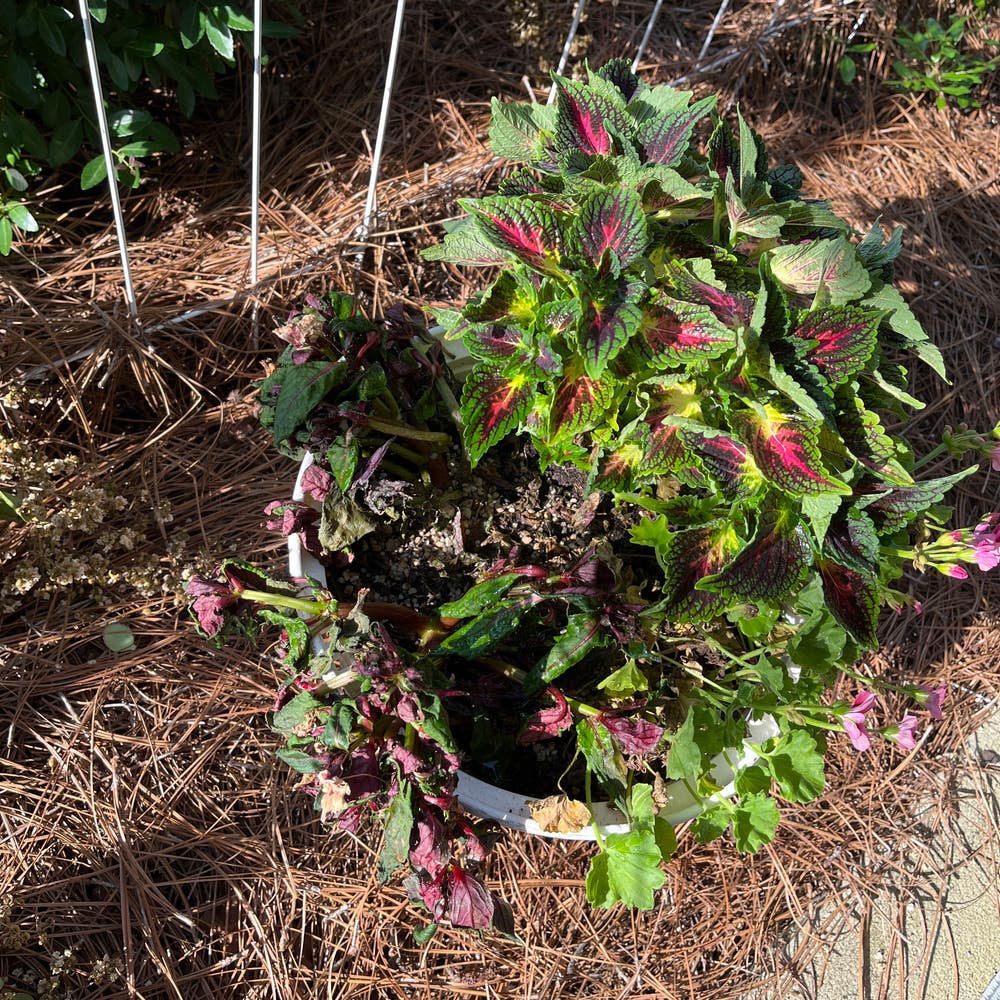
✋ How to Prune Balfour's Touch-Me-Not
Impatiens balfourii
By the Greg Editorial Team
Apr 28, 2024•4 min read
This article was created with the help of AI so we can cover more plants for you. May contain errors. See one? Report it here.
Trim your Balfour's Touch-Me-Not 🌿 for lush growth and a stunning display with our pro pruning guide.
- Spring pruning boosts Balfour's recovery and growth.
- 🌿 Clean, angled cuts above nodes shape and rejuvenate.
- Post-prune care: Avoid water, compost clippings, and stabilize environment.
Timing is Everything: When to Snip and Clip
⏰ Seasonal Smarts: Best Times to Prune
Pruning Balfour's Touch-Me-Not is not a year-round affair. Spring is your golden window, a time when the plant's energy surges and healing is swift. Pruning during the growth season means less stress for your plant and a quicker rebound.
🌱 Growth Milestones: Identifying Pruning Moments
New growth is the green light for pruning. Look for fresh leaves and robust stems. It's the plant's way of saying it's ready for a trim. This is also the perfect moment to propagate - those healthy cuttings could be the start of something new.
🩺 Health Check: Assessing Your Plant Before Pruning
Before you make the cut, get up close and personal. Check for signs of disease or distress. Healthy plants bounce back better, so ensure your Touch-Me-Not is in top shape before you start snipping. Remember, pruning is not just about aesthetics; it's preventive care.
Gear Up: Tools of the Trade
🌿 The Pruner's Toolkit: What You'll Need
Pruning is no joke; you need the right gear to do the job. Start with a pair of pruning shears—they're your bread and butter. For the thick stuff, grab some loppers or a pruning saw. Don't forget the gloves; they're like armor for your hands against thorns and splinters. And yes, a container for clippings is a must unless you love the tedious game of pick-up-sticks.
✨ Keeping It Clean: Tool Maintenance for Healthy Cuts
Clean tools are happy tools, and happy tools mean a happy plant. After each pruning session, give your shears a bath in alcohol or a bleach solution—it's like a spa treatment that keeps diseases away. Keep your blades sharp; a dull blade is about as useful as a screen door on a submarine. Use a sharpening stone or file, and finish off with a wire brush and lubricant to keep things moving smoothly. Store them in a dry place because rust is the grim reaper of garden tools. Remember, this isn't just maintenance; it's a ritual—a way to thank your tools for not turning your garden into a hack job.
The Art of the Snip: Pruning Techniques
✂️ Basic Cuts: Where and How to Start
Pruning begins with sharp tools. Ensure your shears are clean and precise to avoid damaging your Balfour's Touch-Me-Not. Identify the areas in need of trimming—look for dead or diseased stems, spindly growth, or overcrowded branches. Make cuts at a 45-degree angle just above a leaf node or bud to promote healthy regrowth.
🌿 Shaping Up: Creating an Aesthetic Masterpiece
Visualize the desired shape of your plant before you start snipping. Balance is key; prune to maintain the plant's natural form while encouraging a fuller appearance. Remove any branches that detract from the overall symmetry. Remember, less is often more—over-pruning can be detrimental.
🌱 Rejuvenation: Encouraging New Growth and Vigor
To invigorate your Balfour's Touch-Me-Not, focus on thinning out dense areas to improve light penetration and air circulation. This encourages new growth and reduces the risk of disease. Pinch back the tips of young plants to promote bushier growth. After pruning, your plant will redirect its energy to the remaining stems, resulting in a more vigorous and healthy specimen.
After the Chop: Caring for Your Pruned Plant
🌱 Healing Touch: Post-Pruning Care Tips
After pruning, immediate care is crucial. Your plant's just had the botanical equivalent of a haircut, and it's vulnerable.
Avoid watering right after you've pruned. This gives the plant time to heal without the risk of waterlogging its fresh wounds.
Stable environment is your plant's best friend now. Keep temperatures consistent and provide indirect light to avoid stressing it further.
Monitor closely for signs of recovery or distress. New growth is a good sign, but wilting or discoloration means you need to adjust your care.
♻️ Waste Not: What to Do with Clippings
Don't just toss those clippings; they could be gold for your compost pile, provided they're disease-free.
Infected or infested? Bag them up and trash them. You don't want to spread any plant plagues.
Sharp tools make for clean cuts, which heal faster. Clean your pruning gear after use—it's like washing your hands post-surgery.
If you're feeling green-fingered, consider propagating healthy cuttings. It's like giving your plant a legacy, minus the family drama.
⚠️ Safety First
This content is for general information and may contain errors, omissions, or outdated details. It is not medical, veterinary advice, or an endorsement of therapeutic claims.
Always consult a qualified healthcare professional before using any plant as food, medicine, or supplement.
Never eat any plant (or feed one to pets) without confirming its identity with at least two trusted sources.
If you suspect poisoning, call Poison Control (800) 222-1222, the Pet Poison Helpline (800) 213-6680, or your local emergency service immediately.
Spotted an error? Please report it here.
Achieve a balanced and vibrant 🌿 Balfour's Touch-Me-Not by using Greg to remind you when and how to prune for the best springtime growth from these pro tips!