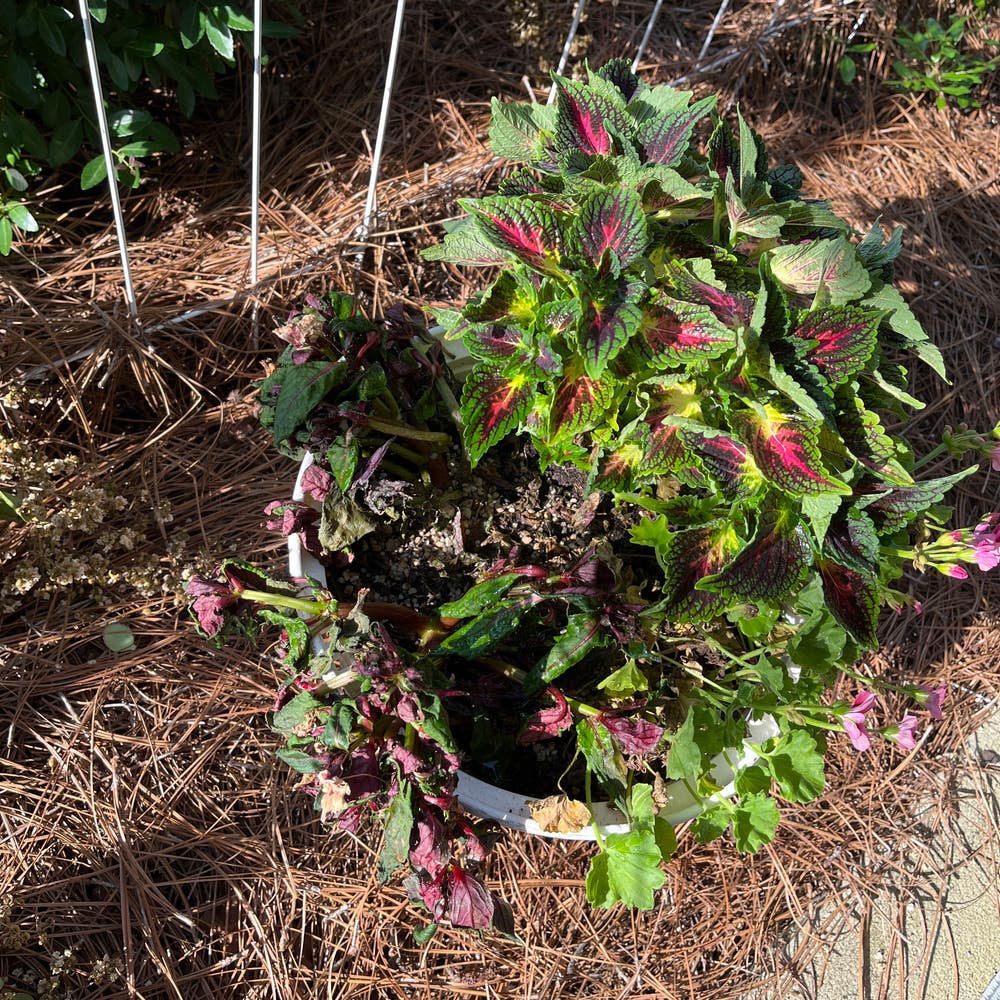
My Balfour's Touch-Me-Not's Light Needs
Impatiens balfourii
By the Greg Editorial Team
Apr 28, 2024•4 min read
This article was created with the help of AI so we can cover more plants for you. May contain errors. See one? Report it here.
Nurture vibrant blooms in your Balfour's Touch-Me-Not by mastering its light needs. 🌞🌼
- Bright, indirect light is key for Balfour's Touch-Me-Not health.
- Morning sun, afternoon shade prevents harsh midday sunburn.
- Grow lights supplement when natural light isn't enough.
Soaking Up the Sun: Outdoor Light Preferences
🌞 Ideal Sunlight Conditions for Balfour's Touch-Me-Not
Balfour's Touch-Me-Not flourishes in bright but indirect light. The plant's sweet spot mimics its natural habitat, where sunlight is filtered, not direct. To avoid the harsh midday rays, morning light exposure is key, followed by afternoon shade.
🛡️ Protecting Your Plant
Shading is essential to prevent sunburn. Use natural filters like trees or artificial ones like sheer curtains to protect your Balfour's Touch-Me-Not. Sunburn signs include bleached or crispy leaves, indicating it's time to move your plant to a gentler spot.
Bringing the Sunshine In: Indoor Light Mastery
🌅 Finding the Perfect Indoor Spot
East or west-facing windows are your Balfour's Touch-Me-Not's best friends, offering a buffet of morning or afternoon light without the harsh midday main course. South-facing windows can be too intense, but if that's all you've got, a sheer curtain is your new ally. Keep your plant a few feet from the glass to avoid the cold shoulder.
💡 When Natural Light Isn't Enough
If your plant's leaves are stretching like they're in a yoga class, it's begging for more light. Dull, leggy growth screams for a sun substitute. As the days get shorter, don't let your plant sulk in the shadows; consider a full-spectrum grow light to keep its spirits up. Remember, it's not just about surviving; it's about thriving.
Boosting Blooms with Brightness
💡 Light's Role in Flower Power
Light is the unsung hero in the flowering saga of Balfour's Touch-Me-Not. It's the switch that flips the plant from green to grandiose. Without the right light, blooms might as well be a myth.
Intensity and duration are the dynamic duo for floral success. Too much light, and you're on a fast track to leaf burn; too little, and your plant will sulk in a bloomless existence. It's about finding that Goldilocks zone of just-right light.
🌅 Balancing Light Duration and Intensity for Optimal Blooms
Keep a close eye on your plant; it's the best indicator of whether your light levels are on point. New growth or a flower spike? You're winning. Leaves looking like they've had a day too long at the beach? Time to dial it back.
Adjusting light isn't just a one-time setup; it's a seasonal dance. As the earth tilts and turns, so should your approach to lighting. Winter's weak sun calls for closer proximity to windows or supplemental grow lights, while summer's strength means backing off a bit.
Remember, Balfour's Touch-Me-Not isn't just looking for a light show; it wants the full concert with backing tracks of humidity, watering, and nutrition. Keep these balanced, and you'll be rewarded with a floral encore.
Supplementing with Grow Lights: A Bright Idea?
💡 Choosing the Right Grow Light
Grow lights are indoor sun substitutes for your Balfour's Touch-Me-Not. LED grow lights are top-notch, mimicking the full spectrum of sunlight. They're energy-efficient and long-lasting. Fluorescent lights, the budget-friendly old-timers, offer a decent "daylight" spectrum but lack the efficiency of LEDs.
When selecting, match the light's strength to the size of your plant setup. A small desk plant will thrive under a compact bulb, while a larger indoor garden may need a panel of LEDs. Full-spectrum bulbs are generally best, providing a balance of all colors and appearing white to the eye.
💡 Grow Light Setup Tips
Positioning is key. Place your grow light so that it's close enough to bathe your plant in light but not so close as to cause leaf burn. Aim for a setup that allows 12-14 hours of light, followed by a dark period to mimic natural day-night cycles.
Use a timer to maintain this cycle and keep your plant's photosynthesis on schedule. Monitor your plant's response; stretching towards the light or signs of light burn mean it's time to adjust the light's position or duration. Remember, grow lights are a supplement, not a replacement for sunlight. They're the understudy stepping in when the star—natural sunlight—is unavailable.
⚠️ Safety First
This content is for general information and may contain errors, omissions, or outdated details. It is not medical, veterinary advice, or an endorsement of therapeutic claims.
Always consult a qualified healthcare professional before using any plant as food, medicine, or supplement.
Never eat any plant (or feed one to pets) without confirming its identity with at least two trusted sources.
If you suspect poisoning, call Poison Control (800) 222-1222, the Pet Poison Helpline (800) 213-6680, or your local emergency service immediately.
Spotted an error? Please report it here.
Ensure your Balfour's Touch-Me-Not thrives 🌿 with Greg's PlantVision, guiding you to the ideal spot for just the right light and bloom.