How to Know When to Repot a Aglaonema rotundum?
Aglaonema rotundum
By the Greg Editorial Team
Feb 09, 2024•5 min read
This article was created with the help of AI so we can cover more plants for you. May contain errors. See one? Report it here.
- Roots escaping the pot? Time to repot your Aglaonema rotundum.
- 🌱 Choose a 1-2 inch larger pot with a well-draining potting mix.
- Post-repotting: Water thoroughly, then monitor and adjust care as needed.
Spotting the Tell-Tale Signs for Repotting
🏃♂️ Roots on the Run
When your Aglaonema rotundum's roots start escaping the pot like a convict in a prison break movie, it's not being dramatic—it's cramped. These roots are meant to be out of sight, not peeking through the drainage holes or circling the surface like they're on a track. Time to repot.
🐌 Sluggish Growth
If your plant's growth is more sluggish than a Monday morning, it's a subtle hint that it's time for a change. Slow growth isn't just a phase; it's a silent protest against the lack of space. Your Aglaonema is begging for a bigger stage to strut its stuff.
🚰 Thirsty All the Time
Notice your watering routine has turned into a sprint? If water drains faster than your patience on hold with customer service, your plant's roots are likely too snug. Soil that dries out quicker than a towel in the Sahara is your cue—repotting is overdue.
The Repotting Rundown
🌱 Prepping Your Plant
Before you dive into the repotting process, prepare your Aglaonema rotundum for the transition. Water the plant a day before to make the soil pliable and the roots less stressed. Ensure you have all the necessary tools on hand: new pot, potting mix, gloves, and a trowel or your hands for the dirty work.
🔄 Step-by-Step Repotting
Gently coax your Aglaonema out of its current pot, being mindful of the roots. If they resist, run a knife or trowel around the inside edge to help free them. Place a layer of fresh potting mix in the new pot, then position your plant so it sits at the same level it did previously. Fill in around the roots with more mix, tap the pot to settle the soil, and water to establish the plant in its new abode.
📏 Choosing the Right Pot Size
Sizing Up is crucial. Select a pot that's 1-2 inches larger in diameter than the old one—this gives your plant room to grow without drowning in excess soil. Ensure the new pot has drainage holes; nobody likes wet feet, least of all your Aglaonema.
🌿 Selecting the Best Potting Mix
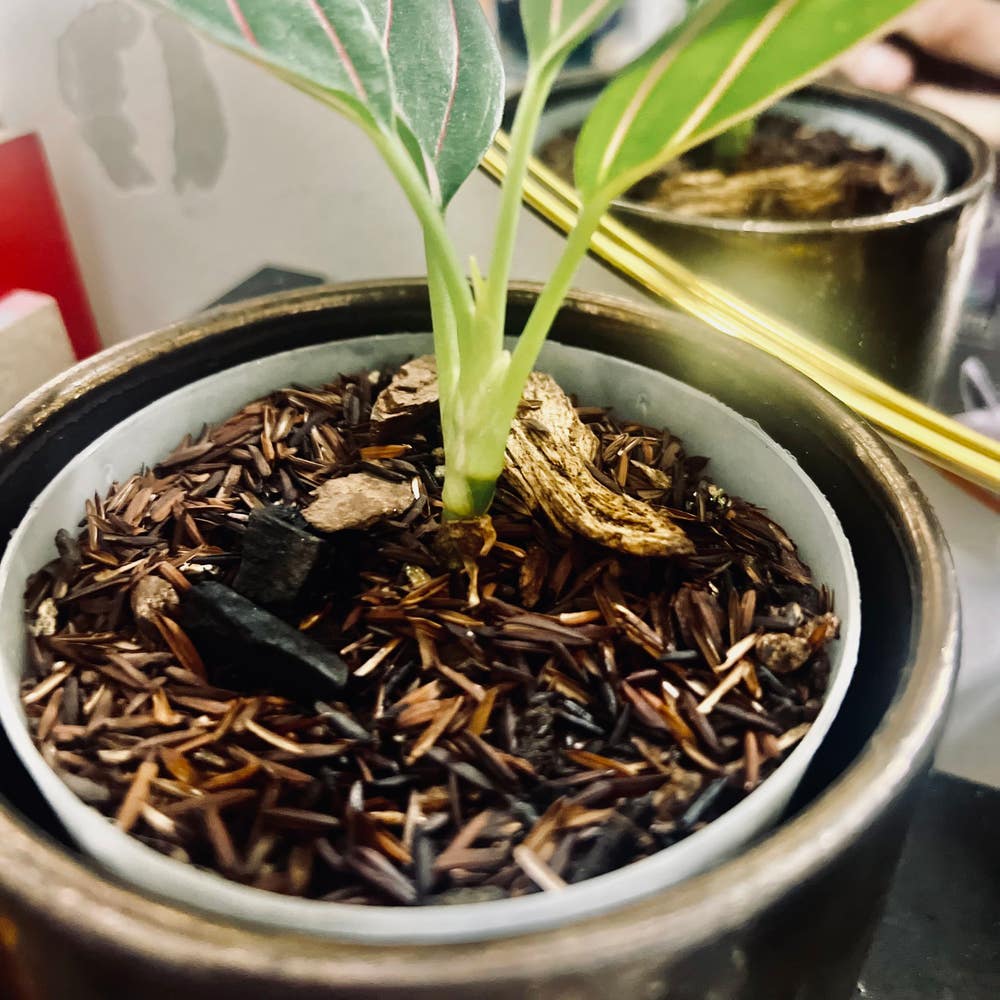
Your Aglaonema's new soil should be light, airy, and well-draining to prevent root rot. A mix formulated for Aroids works wonders, or you can make your own by combining peat, pine bark, and perlite. Remember, the mix should retain moisture without becoming waterlogged. If it feels like a wet sponge, add more bark to lighten it up.
Pot Materials: The Good, the Bad, and the Breathable
💨 Quick Comparison
Terracotta is the classic choice for Aglaonema rotundum, thanks to its breathability. It wicks away excess moisture, reducing the risk of root rot. However, it's prone to breakage and can be heavy. Plastic pots are lightweight and won't shatter, but they often retain too much moisture, which can be problematic. Ceramic pots are stylish and offer moderate moisture control, but they can be pricey. Fabric pots are a modern option that promotes air pruning and excellent drainage, but they require more frequent watering.
Why Drainage Rocks
Drainage is non-negotiable. Pots must let your plant breathe. If you're stuck with a non-breathable pot, it's time to drill some holes or switch to a pot that won't leave your Aglaonema's feet wet. Remember, root health is paramount, and proper drainage is the guardian against the dreaded root rot.
Post-Repotting Care
💦 The First Water
After the repotting shuffle, water your Aglaonema rotundum thoroughly. This is like hitting the reset button for the plant's root system. Aim for moist, not drenched, to avoid the dreaded root rot. Give it a good drink, then let the topsoil dry before the next watering session. Overzealous hydration is a common faux pas—keep it on the drier side.
🌞 Settling In
Post-repot, your plant's in recovery mode. Light and temperature are your new best friends. Find a spot that's bright but not blinding—think diffused sunlight, not a tanning bed. Keep the temperature consistent, avoiding drafts or heat sources. It's like creating a spa environment for your green buddy to chill out.
🚨 Stress Signals
Keep your eyes peeled for drama—droopy leaves, yellowing, or a general look of "I'm not okay." These are your plant's SOS signals. If you spot trouble, don't just stand there; adjust your care routine. Less water, a slight shift in location—it's all about those small tweaks that make a big difference.
🌱 Acclimation
Patience is the game now. Your Aglaonema needs time to spread its roots and get comfy in its new digs. It's not going to throw a growth party overnight. Give it a few weeks to settle in before expecting it to strut its stuff. Remember, it's not being lazy; it's acclimating.
🕵️ Monitoring and Adjusting
Turn into a plant detective. Monitor your Aglaonema's progress, and be ready to adjust on the fly. If the leaves are throwing a fit, maybe it's too much light. If growth is stunted, perhaps it's still too cramped. The key is to observe, deduce, and act. No watering on autopilot—stay engaged.
Remember, your Aglaonema rotundum doesn't need coddling, just a bit of TLC to bounce back after the repotting tango. Keep it simple, keep it smart, and watch your plant thrive.
⚠️ Safety First
This content is for general information and may contain errors, omissions, or outdated details. It is not medical, veterinary advice, or an endorsement of therapeutic claims.
Always consult a qualified healthcare professional before using any plant as food, medicine, or supplement.
Never eat any plant (or feed one to pets) without confirming its identity with at least two trusted sources.
If you suspect poisoning, call Poison Control (800) 222-1222, the Pet Poison Helpline (800) 213-6680, or your local emergency service immediately.
Spotted an error? Please report it here.
Discover the perfect moment to repot your Aglaonema rotundum and nurture it post-transplant with Greg's 🌱 personalized care plans, ensuring your green friend flourishes in its new home.