Best Potting Soil Mix for Aglaonema rotundum
Aglaonema rotundum
By the Greg Editorial Team
Feb 09, 2024•3 min read
This article was created with the help of AI so we can cover more plants for you. May contain errors. See one? Report it here.
- Mold and compaction signal soil distress, necessitating prompt action.
- 🌱 Well-draining, aerated soil is vital for Aglaonema rotundum's health.
- Homemade or store-bought, choose soil with proper pH and nutrients.
Spotting Trouble: When Your Aglaonema's Soil Goes Bad
🚩 Telltale Signs of Unhealthy Soil
Mold or mildew on your Aglaonema's soil is a clear distress call, not just an aesthetic issue. If you spot a fuzzy growth or catch a whiff of something musty, your soil is crying out for help. Compacted or waterlogged soil is another red flag; it's like your plant's roots are trying to breathe through a wet blanket.
🔄 Fixing the Unfixable: When to Toss and Replace
When your soil is more lifeless than a zombie movie, it's time to toss it out. If the soil's gone bad, no amount of watering adjustments will resurrect it. It's repotting time. First, gently remove your plant, shake off the old soil, and give those roots a trim if they're looking worse for wear. Remember, fresh, sterile soil is like a new beginning for your Aglaonema.
The Perfect Match: Qualities of Ideal Potting Soil for Aglaonema rotundum
💧 Drainage is Key
Well-draining soil isn't just a preference for Aglaonema rotundum; it's a necessity. The roots of this plant despise being waterlogged. To achieve this, mix in perlite, vermiculite, or sand. These amendments aren't just add-ons; they're your plant's lifeline to avoid the dreaded root rot.
🌬 Aeration and the Roots' Breath
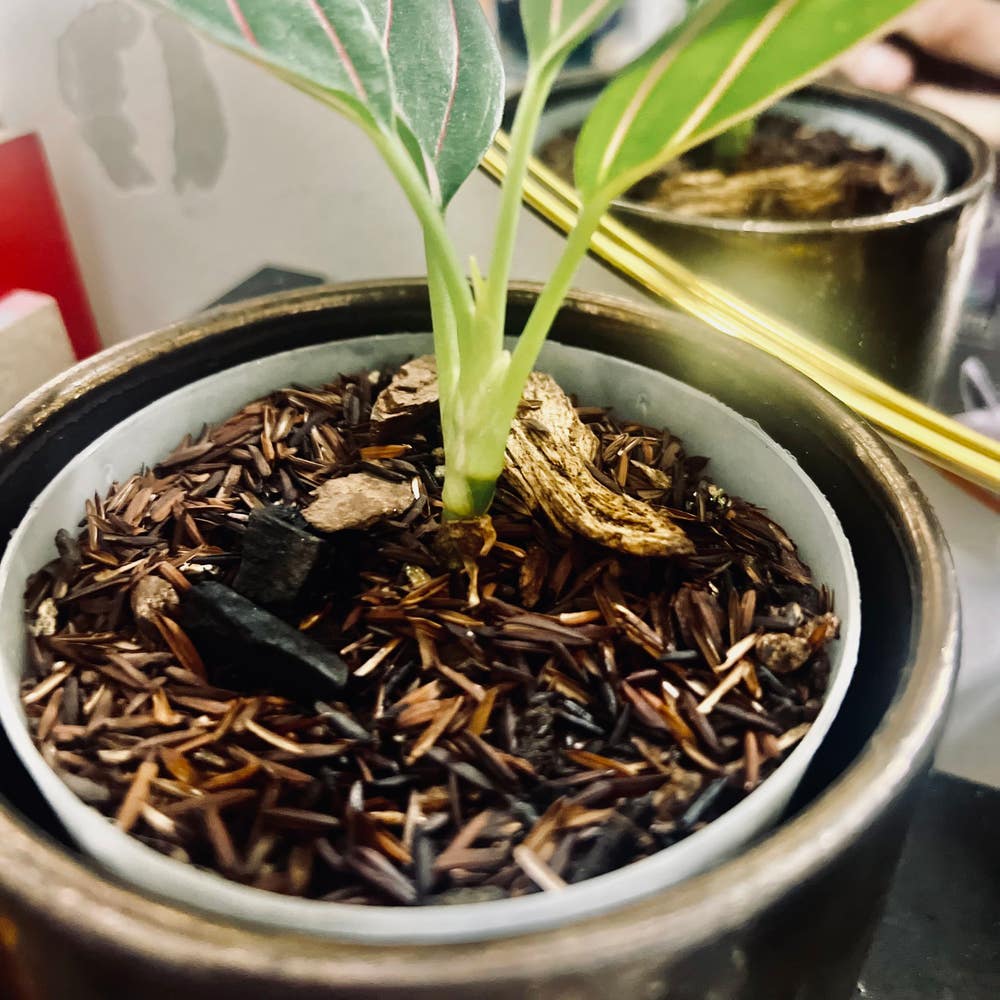
Soil aeration is like the plant's respiratory system. Without it, roots suffocate. Ensure your potting mix is loose and crumbly, allowing roots to access oxygen freely. This can be achieved by incorporating materials like coco coir chips or orchid pine bark.
🌱 Nutrients and pH: The Balancing Act
Aglaonema rotundum thrives in soil that's rich in organic matter and slightly acidic, with a pH of 5.0-6.0. Regular fertilization keeps nutrient levels optimal. Remember, the soil is the plant's pantry; it should be well-stocked with nutrients but not overfilled to the point of spillage.
Store-Bought or Home-Made? Choosing Your Aglaonema's Soil Mix
🌱 The Best Commercial Mixes on the Market
When hunting for commercial potting mixes, scrutinize the label. Ingredients are your roadmap to understanding what you're giving your Aglaonema rotundum. Look for a mix that boasts a blend of organic matter, such as compost or coco coir, and inorganic materials like perlite or pumice for drainage.
Avoid mixes that feel like a wet blanket; your plant's roots need to breathe, not swim. A good mix should feel like a crumbly, nutrient-rich cake, not a dense, soggy mess. Brands that list a soil activator or mild starter fertilizer get bonus points for giving your plant a head start.
🌿 Crafting Your Own: A Step-by-Step Guide to Homemade Soil
Roll up your sleeves; it's DIY time. Start with equal parts peat, perlite or sand, and general-purpose potting soil. This trio is the holy grail for those who prefer a tailored touch.
Mixing is straightforward – think of it as tossing a salad, ensuring each ingredient is evenly distributed. Sterilizing your mix might sound like overkill, but it's like sending your soil to a spa – it emerges rejuvenated and free of unwanted pests and pathogens. Zap it in the oven until it reaches 180°F (82°C) for at least 30 minutes, and let it cool off before potting.
Remember, whether you buy or build your Aglaonema's home, the goal is the same: a fluffy, light, and nutrient-rich environment for your plant to thrive in.
⚠️ Safety First
This content is for general information and may contain errors, omissions, or outdated details. It is not medical, veterinary advice, or an endorsement of therapeutic claims.
Always consult a qualified healthcare professional before using any plant as food, medicine, or supplement.
Never eat any plant (or feed one to pets) without confirming its identity with at least two trusted sources.
If you suspect poisoning, call Poison Control (800) 222-1222, the Pet Poison Helpline (800) 213-6680, or your local emergency service immediately.
Spotted an error? Please report it here.
Revitalize your Aglaonema rotundum's growth with Greg's tailored soil advice to prevent root woes 🌿.