🌞 How Much Sunlight Does My Aglaonema rotundum Need?
Aglaonema rotundum
By the Greg Editorial Team
Feb 09, 2024•4 min read
This article was created with the help of AI so we can cover more plants for you. May contain errors. See one? Report it here.
- 🌱 East/north windows best for Aglaonema rotundum's soft light needs indoors.
- 🌤️ Adjust position seasonally to prevent sunburn or faded leaves.
- 💡 LED/fluorescent grow lights help when natural sunlight isn't enough.
Sunlight Sweet Spot for Aglaonema rotundum
💡 Indoor Lighting Best Practices
Finding the ideal spot for your Aglaonema rotundum indoors is like hitting the jackpot. East or north-facing windows are your best bet, offering a soft, diffused light that won't scorch the leaves. Keep your plant a cozy 2-3 feet away from the window to bask in the perfect amount of light without getting sunburned.
Too much sun? Look out for crispy, brown-tipped leaves. Not enough? Stretched stems and faded leaves will cry for help. It's a delicate dance, but once you find that sweet spot, your Aglaonema will flourish.
🌞 Outdoor Lighting Dos and Don'ts
Outdoors, your Aglaonema rotundum craves that bright shade—think of a spot that's sunny but shielded from the harsh midday sun. A porch or patio with dappled light is ideal, especially if you're giving it a summer vacation outside.
As the seasons change, so does the sun's intensity. Summer might call for extra shade, while winter could mean scooting your plant closer to the light. Keep an eye on the forecast and your plant's demeanor; it'll tell you if it's soaking up the right amount of rays or getting a bit too toasty.
When the Sun's Not Enough: Using Grow Lights
💡 Choosing the Right Grow Light
Aglaonema rotundum, with its lush foliage, often thrives in low to bright indirect sunlight. But when your space lacks natural light, grow lights are your go-to solution. LED and fluorescent lights are popular choices; LEDs for their energy efficiency and longevity, fluorescents for their cost-effectiveness. High-intensity discharge (HID) lights are powerful, but might be overkill for your Aglaonema.
To mimic the sun's natural path, place the grow light above your plant. The duration of light exposure should be around 12 to 14 hours to simulate a full day. Using a timer can help maintain this schedule effortlessly, preventing your plant from turning into a nocturnal being.
💡 Grow Light Intensity and Distance
Determining the right intensity and distance for your grow lights can mean the difference between a thriving plant and a crispy one. A 6500K LED bulb is akin to a slice of sunlight, sans UV burn. Keep the light at a safe distance to avoid leaf burn, adjusting as needed based on your plant's response.
Monitor your Aglaonema's reaction to the artificial lighting. If the leaves start to look sunburnt, dial back the intensity or increase the distance. Conversely, if growth remains sluggish, it might be time to ramp up the light love. Signs of a happy plant include vibrant coloration and robust growth, indicating you've hit the sweet spot with your grow light setup.
Light's Influence on Aglaonema rotundum's Health and Growth
🌟 Light and Leaf Health
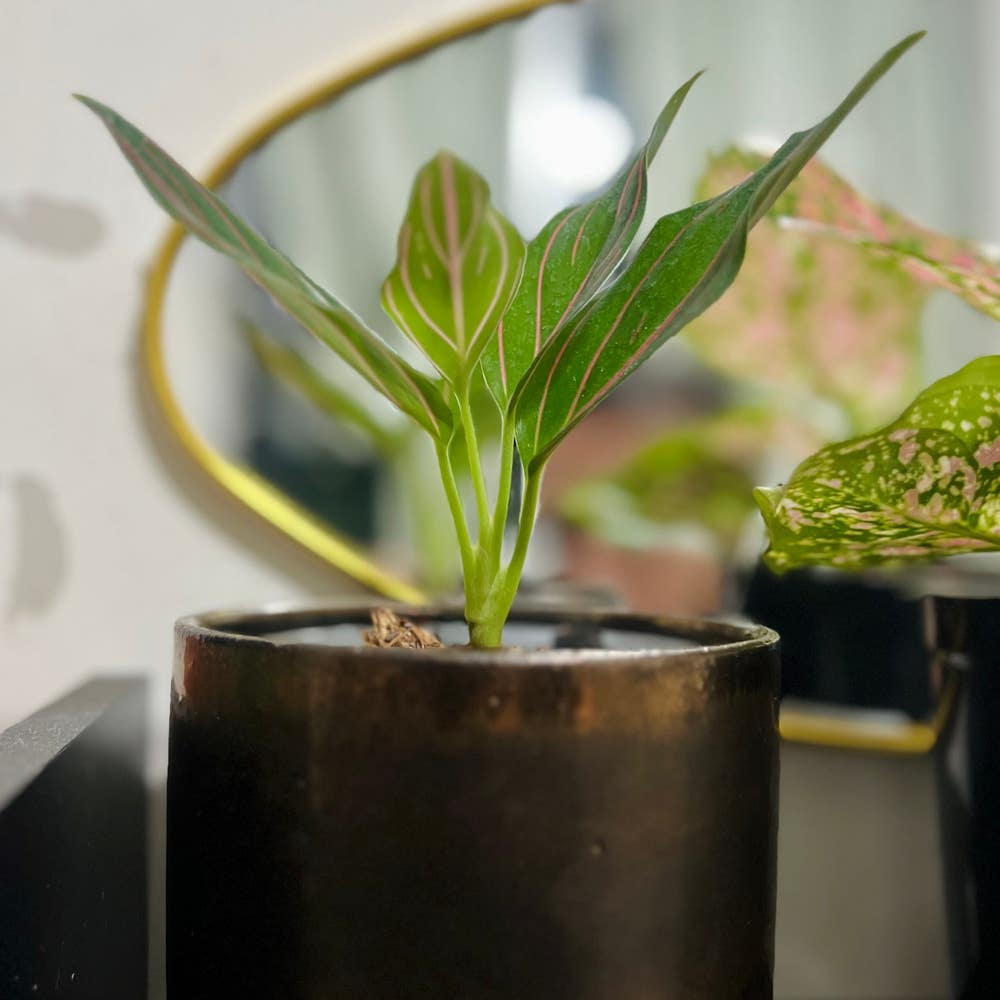
Aglaonema rotundum, commonly known as the Chinese Evergreen, is visually stunning due to its leaf variegation. The right light is crucial for maintaining this beauty. Indirect sunlight
Adjusting Light for Seasons and Plant Maturity
🌞 Seasonal Light Changes
In the dance of the seasons, your Aglaonema rotundum's light needs will shuffle and sway. As summer sun kisses your plant with longer, brighter days, you might need to pull back to prevent a sunburnt leaf situation. Come winter, when the sun plays hard to get, scoot your green buddy closer to the light source to compensate for the dimmer days.
👶 As Your Aglaonema Grows
Your plant's not just sitting pretty; it's growing, and its light appetite changes with age. Younger plants might be all gung-ho about light, but as they mature, their tolerance can shift. Keep an eye out for signs of light dissatisfaction—a stretch here, a lean there—and adjust your plant's position like you're tweaking the feng shui for optimal chi flow.
⚠️ Safety First
This content is for general information and may contain errors, omissions, or outdated details. It is not medical, veterinary advice, or an endorsement of therapeutic claims.
Always consult a qualified healthcare professional before using any plant as food, medicine, or supplement.
Never eat any plant (or feed one to pets) without confirming its identity with at least two trusted sources.
If you suspect poisoning, call Poison Control (800) 222-1222, the Pet Poison Helpline (800) 213-6680, or your local emergency service immediately.
Spotted an error? Please report it here.
With Greg's PlantVision, effortlessly find the sweet spot 🌞 for your Aglaonema rotundum, ensuring it gets just the right amount of light without the guesswork.