What Does It Mean When Aglaonema rotundum Blooms?
Aglaonema rotundum
By the Greg Editorial Team
Feb 09, 2024•4 min read
This article was created with the help of AI so we can cover more plants for you. May contain errors. See one? Report it here.
- Blooms signal health or stress, indicating thriving care or a need to reproduce.
- 🌱 Bright light, right temperature (65°-80°F), and moderate humidity encourage flowering.
- Consistent care ensures blooms, with proper soil, fertilization, and environmental conditions.
When and Why Your Aglaonema Rotundum Decides to Bloom
🌸 The Significance of Flowering in Aglaonema Rotundum
Flowering in Aglaonema rotundum is like a high-five from Mother Nature. It's a sign that your plant is more than just surviving—it's thriving. These blooms are not just for show; they're a testament to your care or a plant's resilience in less-than-ideal conditions.
🕰 How Often Do These Houseplants Typically Bloom?
Don't expect your Aglaonema to be a frequent bloomer. These plants tend to flower sporadically, and when they do, it's often during late winter to summer. If you're lucky enough to witness this event, cherish it—the inflorescences can grace your space for a few weeks.
🌱 What Blooming Tells Us About the Plant's Health
When an Aglaonema bursts into bloom, it's a sign that you've nailed the care routine. But here's the kicker: sometimes stress triggers flowering. It's the plant's way of saying, "I might not be around much longer, better make some babies." So, while blooming is generally a good sign, it's also a nudge to double-check your plant's living conditions.
Creating the Perfect Blooming Environment
💡 Light: The right amount and intensity
To coax an Aglaonema rotundum into bloom, light is your ace in the hole. Bright, indirect light is the sweet spot; too much direct sunlight can lead to a scorched plant, while too little leaves it uninspired to show off its flowers. Think of light as the plant's personal trainer, getting it into shape for the blooming marathon.
🌡️ Temperature and humidity: Finding the sweet spot
Temperature and humidity are the backstage crew for the blooming show. 65° to 80°F (18° to 27°C) with moderate humidity sets the stage for flower production. Avoid the drama of temperature swings and dry air—consistency is key. If your home feels like a desert, a humidifier might just be your best investment.
🌱 Soil and fertilization: The foundation of flourishing flowers
Soil is the unsung hero, the base layer of the blooming pyramid. A well-draining mix ensures the roots aren't swimming instead of blooming. When it comes to fertilization, think minimalist—too much is the equivalent of overfeeding a goldfish. A balanced, low-dose fertilizer is all you need to nudge your Aglaonema rotundum into the limelight.
Reading the Signs: Pre-Bloom Indicators and Influencing Factors
🌼 Spotting the visual cues of an impending bloom
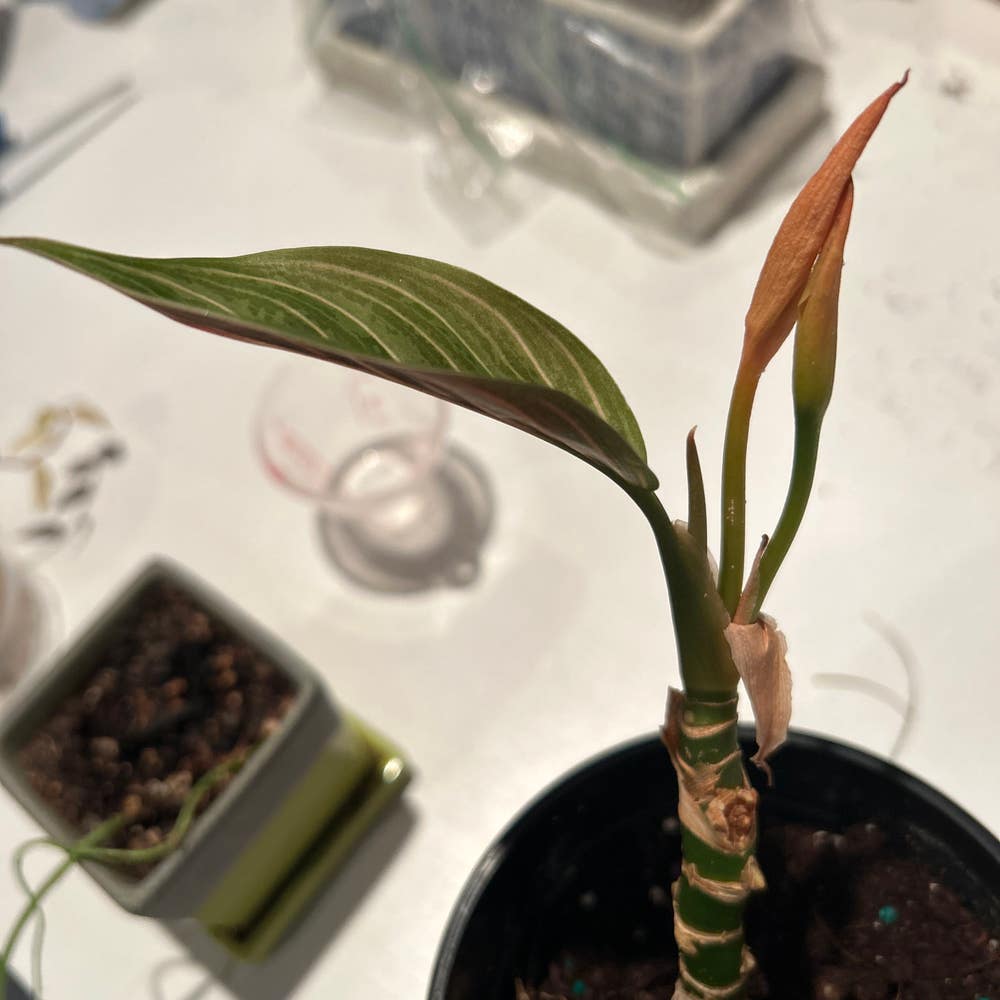
Bright, indirect light is a must for Aglaonema rotundum about to bloom. Watch for new growth that looks different from the usual foliage; this could be a prelude to flowers. If leaves near the buds start turning yellow, don't panic. The plant is reallocating nutrients to the buds, getting ready for the floral show.
🕰 Age and stress: How they affect the blooming process
Aglaonema rotundum won't flower before it's mature enough. Stress from improper watering, incorrect light, or temperature fluctuations can delay or prevent blooming. A plant under stress might halt growth or produce fewer flowers. Keep an eye out for these signs and adjust your care accordingly.
🌿 Environmental changes and their impact on flowering
Seasonal changes and light exposure are nature's cues for Aglaonema rotundum to start flowering. It's a delicate balance; too much direct sunlight can scorch the plant, while too little can cause it to become leggy. Temperature swings and incorrect humidity levels can also throw a wrench in the works. Stay observant and tweak your plant care to encourage those blooms.
Pro Tips to Encourage Your Aglaonema Rotundum to Flower
💡 Care Adjustments to Trigger Blooming
Aglaonema Rotundum, like any diva, demands the spotlight but doesn't want to be scorched by it. Bright, indirect light is your ticket to bloom town. Rotate the plant regularly to prevent a lopsided growth tragedy. Keep the leaves dust-free for a photosynthesis party. And remember, pests are party crashers; inspect and evict them promptly.
🏡 The Role of Pot Size and Root Space in Flowering
Think of pot size like tight jeans after a big meal; too snug and everything spills over. A pot that's 2 inches larger than the current one is the sweet spot. It's all about balance – too big and you're in soggy soil city, too small and your plant's roots will throw a claustrophobia-induced fit. Make sure the pot has drainage holes to avoid a root rot horror show.
🌱 Maintaining Care for Consistent Blooming Cycles
Consistency is key. Water when the topsoil has the dryness of a good martini – moist but not drenched. Aim for a well-draining potting mix with a dash of perlite. Fertilize every couple of waterings, but don't overdo it; it's a nutrient boost, not an all-you-can-eat buffet. Keep temperatures above 18°C (64°F) to avoid a cold-induced growth halt. And if you're not into surprise berries, snip the flowers post-bloom to keep things tidy and safe.
⚠️ Safety First
This content is for general information and may contain errors, omissions, or outdated details. It is not medical, veterinary advice, or an endorsement of therapeutic claims.
Always consult a qualified healthcare professional before using any plant as food, medicine, or supplement.
Never eat any plant (or feed one to pets) without confirming its identity with at least two trusted sources.
If you suspect poisoning, call Poison Control (800) 222-1222, the Pet Poison Helpline (800) 213-6680, or your local emergency service immediately.
Spotted an error? Please report it here.
Boost your Aglaonema's blooms 🌸 with Greg's tailored care, turning thriving into a stress-free routine for your plant's best flowering season.