Understanding Chocolate Aglaonema: The Basics 🍫
Aglaonema rotundum
By the Greg Editorial Team
Jan 23, 2025•12 min read
This article was created with the help of AI so we can cover more plants for you. May contain errors. See one? Report it here.
- 🌱 Chocolate Aglaonema thrives in indirect light and high humidity for optimal growth.
- 💧 Water carefully; let the top inch of soil dry to prevent root rot.
- 🌿 Low maintenance and air-purifying, perfect for beginners and busy plant owners!
How to Grow
Choosing the Right Location 🌞
To thrive, Chocolate Aglaonema prefers indirect light. Direct sunlight can scorch its leaves, so find a spot that offers bright, filtered light.
Humidity is another key factor for this plant's success. It flourishes in high humidity, so consider using a humidifier or a pebble tray filled with water to maintain the moisture levels.
Soil Preparation and Planting Techniques 🌱
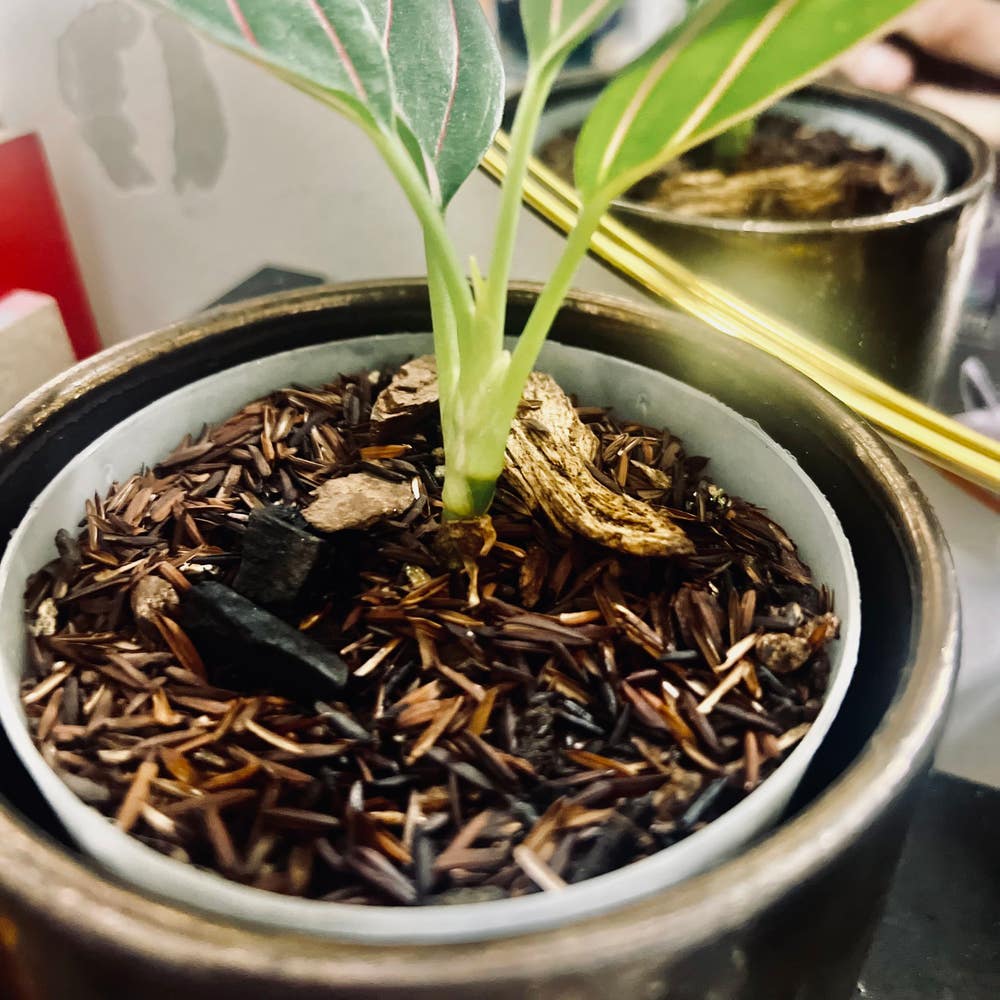
For optimal growth, use a well-draining potting mix. Enhancing the mix with perlite or orchid bark can improve aeration, promoting healthy root development.
When planting, ensure the root ball is level with the soil surface. This helps the plant establish itself without stress.
Watering and Fertilizing Guidelines 🚰
Watering should be done with care. Allow the top inch of soil to dry out between waterings, adjusting your schedule based on the humidity levels in your environment.
During the growing season, fertilize your Chocolate Aglaonema with a balanced liquid fertilizer every 4-6 weeks. This will provide the nutrients necessary for vibrant growth.
Pruning and Ongoing Care Tips ✂️
Regular pruning is essential for maintaining the health of your plant. Remove any yellow or damaged leaves to encourage new growth and keep the plant looking its best.
Ongoing care involves monitoring for pests and adjusting your watering routine according to seasonal changes. Staying attentive will help your plant thrive.
Container vs. Outdoor Growing Considerations 🏡
Container growing is ideal for indoor settings, offering mobility and control over environmental conditions. This flexibility allows you to easily adjust light and humidity levels.
If you choose outdoor growing, ensure your Chocolate Aglaonema is protected from harsh sunlight and wind. This is especially important in warmer climates where conditions can be extreme.
With these guidelines, you'll be well on your way to cultivating a healthy and beautiful Chocolate Aglaonema. Next, let's explore how to propagate this stunning plant for even more greenery!
Propagation
🌱 Methods of Propagation
Propagation is a rewarding way to expand your collection of Chocolate Aglaonema. There are two primary methods:
- Cuttings: This method involves taking 4-6 inch stem cuttings with at least one node. It’s moderately challenging but well worth the effort.
- Division: A simpler approach, this involves separating offsets during repotting to create new plants.
📝 Step-by-Step Instructions for Each Method
✂️ Cuttings
- Prepare the Pot: Start by filling a pot with moist potting mix. This will provide the right environment for your cuttings.
- Insert the Cuttings: Place the cuttings into the soil, ensuring that the nodes are buried. This is crucial for root development.
- Create Humidity: Cover the pot with a plastic bag to maintain humidity. This step is essential until roots develop, which typically takes 2-4 weeks.
🌿 Division
- Remove the Plant: Gently take the plant out of its pot. Be careful not to damage the roots during this process.
- Separate the Root Ball: Divide the root ball into sections, ensuring each section has both roots and leaves. This will help each new plant thrive.
- Replant: Place the separated sections into their own pots filled with fresh soil. This gives them the best chance to grow strong and healthy.
Propagation can be a fun and fulfilling experience, allowing you to share your love for Chocolate Aglaonema with friends or expand your indoor garden. Whether you choose cuttings or division, both methods can lead to successful new plants.
Ready to learn more about the lifecycle of your Chocolate Aglaonema? Let’s dive into the next section!
Lifecycle
🌱 Overview of Lifecycle Stages
The lifecycle of Chocolate Aglaonema begins with germination, where seeds typically sprout within 2-4 weeks under optimal conditions. Following this, the seedling stage lasts about 4-6 weeks, marking the initial growth phase.
🌿 Vegetative Growth Phase
Next comes the vegetative growth phase, which is characterized by rapid growth lasting several months. During this time, the plant establishes itself and prepares for maturity.
🪴 Discussion on Plant Type
Chocolate Aglaonema is a perennial plant, meaning it can live for several years with the right care. This longevity makes it a rewarding addition to any indoor garden.
⏳ Growth Timeline
In terms of growth timeline, expect the plant to reach maturity in approximately 1-2 years. Its growth rate is moderate, typically achieving an increase of 6-12 inches per year.
This steady growth not only enhances its appeal but also allows you to enjoy the evolving beauty of your Chocolate Aglaonema over time. As you nurture it, you'll witness its transformation, making the journey just as rewarding as the destination.
Next, we will explore the size of this fascinating plant and what factors influence its growth.
Size
Mature Height and Spread 🌱
The Chocolate Aglaonema typically reaches a mature height of 2 to 3 feet. Its spread can vary from 1 to 2 feet wide, depending on the growing conditions.
Growth Rate and Factors Affecting Size 📈
The growth rate of this plant is influenced by several factors, including light, humidity, and nutrient availability. In optimal conditions, you may notice your Chocolate Aglaonema growing larger and more robust compared to less favorable environments.
Understanding these aspects can help you create the ideal conditions for your plant, ensuring it thrives and reaches its full potential. As you nurture your Chocolate Aglaonema, keep an eye on these factors to promote healthy growth and vibrant foliage.
Roots
Characteristics of the Root System 🌱
The Chocolate Aglaonema features a fibrous root system, which is essential for efficient nutrient uptake. These roots typically extend 12-18 inches deep and spread widely, allowing the plant to access moisture and nutrients effectively.
Common Root-Related Issues and Solutions 🛠️
One of the most common problems is root rot, often caused by overwatering. To prevent this, ensure your pot has proper drainage to keep the roots healthy.
Identifying healthy roots is crucial for your plant's well-being. Healthy roots are firm and white, while unhealthy roots appear brown and mushy, indicating a need for immediate attention.
Recognizing Rootbound Plants 🔄
Keep an eye out for signs of rootbound plants, such as roots growing out of drainage holes or circling the pot. If you notice these signs, it’s time to repot your Chocolate Aglaonema into a larger container to promote healthy growth.
Understanding the root system and its needs can significantly enhance your plant care routine. With proper attention, your Chocolate Aglaonema will thrive, setting the stage for the next section on the benefits of growing this beautiful plant.
Benefits
Top 5 Benefits of Growing Chocolate Aglaonema 🍫
Air Purification
Chocolate Aglaonema is a powerhouse when it comes to air quality. It effectively removes toxins from indoor air, making your home a healthier place to breathe.Aesthetic Appeal
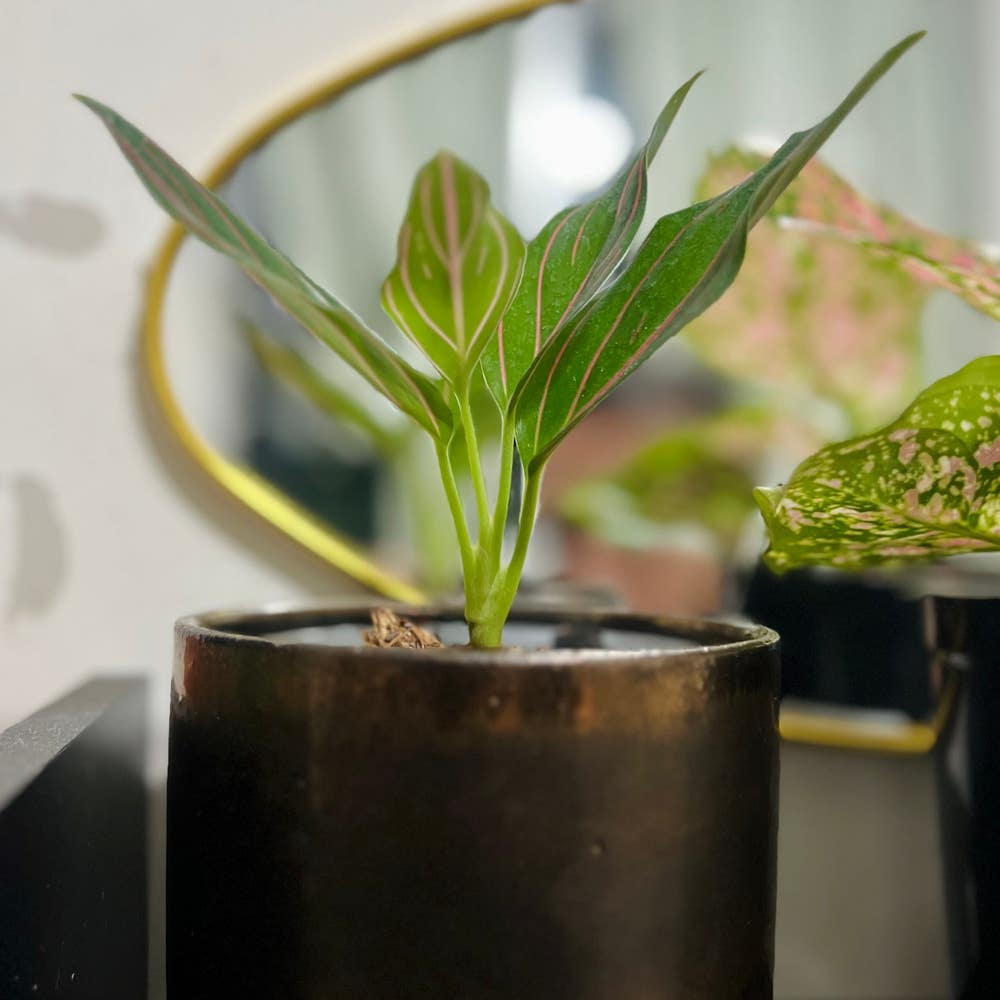
With its striking foliage, this plant adds a touch of elegance to any space. The rich colors and unique patterns enhance your home decor effortlessly.Low Maintenance
Perfect for beginners, Chocolate Aglaonema requires minimal care. Its resilience means you can enjoy a beautiful plant without the stress of constant upkeep.Humidity Regulation
This plant helps maintain indoor humidity levels, which is especially beneficial in dry environments. It contributes to a more comfortable living space for you and your family.Cultural Significance
In various cultures, Chocolate Aglaonema symbolizes prosperity and good fortune. Growing this plant can bring a sense of positivity and good vibes into your home.
These benefits make Chocolate Aglaonema not just a plant, but a valuable addition to your living environment. Whether you're looking to improve air quality or simply want a beautiful green companion, this plant checks all the boxes.
As you consider adding this stunning plant to your collection, think about how it can enhance your space and well-being. Next, let’s explore the best practices for propagating your Chocolate Aglaonema to share its beauty with others.
Companion Plants
🌱 Explanation of Companion Planting
Companion planting is a gardening technique that enhances plant diversity and promotes overall health. By pairing compatible plants, you can improve pest management and create a thriving ecosystem in your garden.
🌿 List of Compatible Companion Plants
- Snake Plant: This hardy plant shares similar care needs with Chocolate Aglaonema and is resistant to pests.
- Pothos: Thriving in similar conditions, Pothos not only complements Aglaonema but also adds a touch of visual appeal with its trailing vines.
🚫 Plants to Avoid
- Cacti: These spiky plants compete for resources and may struggle in the same humidity levels that Chocolate Aglaonema thrives in. It's best to keep them apart to ensure both plants flourish.
By choosing the right companions, you can create a harmonious indoor garden that benefits all your plants. Next, let’s explore the potential toxicity of Chocolate Aglaonema to humans and pets, ensuring a safe environment for everyone.
Toxicity to Humans
🧐 Identification of Toxic Parts and Compounds
Chocolate Aglaonema is not just a pretty face; it's important to recognize that all parts of this plant are toxic, especially the leaves and stems. The culprit behind its toxicity is calcium oxalate crystals, which can cause irritation if ingested.
🤢 Symptoms of Poisoning
If someone accidentally ingests any part of the plant, they may experience a range of unpleasant symptoms. These can include nausea, vomiting, diarrhea, abdominal pain, dizziness, and in severe cases, more serious reactions.
🚑 Guidance on Seeking Medical Care
In the event of ingestion or if symptoms develop, it's crucial to seek medical attention immediately. Quick action can help mitigate any potential health risks associated with this plant's toxicity.
Understanding the risks associated with Chocolate Aglaonema is essential for safe enjoyment of this beautiful houseplant. Now that you're aware of its toxicity, let’s explore how to keep your furry friends safe from this plant.
Toxicity to Dogs
Toxic Parts and Symptoms of Poisoning 🐶
Chocolate Aglaonema poses a risk to dogs, particularly through its leaves and stems. If ingested, these parts can lead to symptoms such as drooling, vomiting, diarrhea, weakness, and even tremors.
Prevention Measures 🛡️
To keep your furry friends safe, supervision is key. Always monitor dogs around the plant and consider relocating it to areas that are out of their reach.
By taking these precautions, you can enjoy your Chocolate Aglaonema without worrying about your dog's health. Next, let’s explore how this beautiful plant can affect our feline companions.
Toxicity to Cats
🐱 Toxic Parts and Symptoms of Poisoning
Chocolate Aglaonema is not safe for our feline friends. All parts of the plant can be harmful, particularly the leaves and stems.
If a cat ingests any part of this plant, symptoms may include drooling, vomiting, diarrhea, weakness, and even respiratory distress. It's crucial to monitor your pet closely if you suspect they have nibbled on your Aglaonema.
🚫 Prevention Measures
To keep your curious cats safe, consider keeping them indoors. Supervise their outdoor time to prevent access to the plant.
Additionally, placing the Chocolate Aglaonema in areas that are out of reach can help minimize the risk of ingestion. Always prioritize your pet's safety while enjoying your beautiful plants!
Problems
Common Problems Faced When Growing 🌱
Growing Chocolate Aglaonema can be rewarding, but it's not without its challenges. Here are some common problems you might encounter.
Incorrect Watering
Overwatering can lead to yellowing leaves, while underwatering results in wilting. Finding the right balance is crucial for your plant's health.Incorrect Light Conditions
Too much light can scorch the leaves, while too little can cause leggy growth. Monitor your plant's exposure to ensure it thrives.Diseases
Fungal issues, such as powdery mildew, can arise if air circulation is poor. Keeping your plant in a well-ventilated area can help prevent these problems.Root Problems
Root rot often occurs due to poor drainage. Make sure your pots have adequate holes to allow excess water to escape.Leaf Issues
Environmental stress can cause scorching or yellowing of leaves. Regularly assess your plant's conditions to keep it healthy.
By being aware of these potential issues, you can take proactive steps to ensure your Chocolate Aglaonema remains vibrant and healthy. Next, let’s explore the pests that could pose a threat to your plant’s well-being.
Bugs
Potential Pest Issues Specific to Chocolate Aglaonema 🐛
When caring for your Chocolate Aglaonema, be on the lookout for common pests that can disrupt its health.
Spider Mites
These tiny pests can wreak havoc on your plant. Look for signs like webbing and stippled leaves. If you spot them, treat your plant with insecticidal soap to eliminate these nuisances effectively.
Mealybugs
Mealybugs are another foe, identifiable by their cotton-like masses on leaves. You can remove them by hand or apply neem oil for a more thorough treatment.
Aphids
Aphids are small green insects that can cluster on your plant. Control them using insecticidal soap or introduce natural predators to keep their numbers in check.
Prevention and Monitoring 🔍
Regularly inspect your Chocolate Aglaonema for any signs of pests. Early detection is key to preventing infestations from becoming severe.
Treatment Options 💊
If you encounter any of these pests, act quickly. Insecticidal soap is often effective, but you can also explore organic options like neem oil for a more natural approach.
Final Thoughts 💭
Maintaining a pest-free environment for your Chocolate Aglaonema not only ensures its health but also enhances your enjoyment of this beautiful plant. With a little vigilance and care, you can keep your plant thriving and free from unwanted visitors.
Next, let’s explore the common problems you might face while growing this stunning plant.
What Eats
Common Animals That May Damage the Plant 🐾
Chocolate Aglaonema can attract a few hungry critters.
- Deer: These graceful animals may munch on your plant, leaving behind chewed leaves and broken stems.
- Rabbits: Known for their nibbling habits, rabbits can cause damage characterized by clean cuts on the leaves.
- Squirrels: These energetic little creatures might dig around the base of your plant, disrupting its roots.
Deterrent Methods 🚫
Protecting your Chocolate Aglaonema from these pests is essential for its health.
- Chemical repellents: Consider using commercial deer repellents to keep these larger animals at bay.
- Organic methods: Planting strong-smelling herbs nearby can naturally deter animals, creating a fragrant barrier around your plant.
By taking these precautions, you can enjoy your Chocolate Aglaonema without the worry of unwanted visitors. Now, let’s explore how to tackle common problems that may arise while growing this beautiful plant.
⚠️ Safety First
This content is for general information and may contain errors, omissions, or outdated details. It is not medical, veterinary advice, or an endorsement of therapeutic claims.
Always consult a qualified healthcare professional before using any plant as food, medicine, or supplement.
Never eat any plant (or feed one to pets) without confirming its identity with at least two trusted sources.
If you suspect poisoning, call Poison Control (800) 222-1222, the Pet Poison Helpline (800) 213-6680, or your local emergency service immediately.
Spotted an error? Please report it here.
Unlock the secret to a thriving Chocolate Aglaonema 🌱 with Greg's tailored care tips and reminders, ensuring your plant becomes a stunning centerpiece in your home!