How Can You Tell If A Aglaonema rotundum Is Dying?
Aglaonema rotundum
By the Greg Editorial Team
Feb 09, 2024•4 min read
This article was created with the help of AI so we can cover more plants for you. May contain errors. See one? Report it here.
- Yellow leaves mean overwatering, dry, upward leaves signal thirst.
- Root rot treatment: Stop watering, dry soil, trim roots, repot.
- Bright, indirect light; protect from harsh sun and maintain consistent temperature.
When Water Works Against You
💧 Over and Under-Watering Woes
Yellow leaves might as well be yellow flags, signaling you're overdoing the H2O. If your Aglaonema rotundum's leaves feel like a wet sponge, it's time to reassess your watering habits. Conversely, leaves pointing skyward with dry soil scream for hydration.
The balancing act is simple: water when the top inch of soil is dry. Use a moisture meter if you must, but remember, your plant's thirst varies with the seasons. Consistency is great, but adaptability is key.
🦠 The Dreaded Root Rot
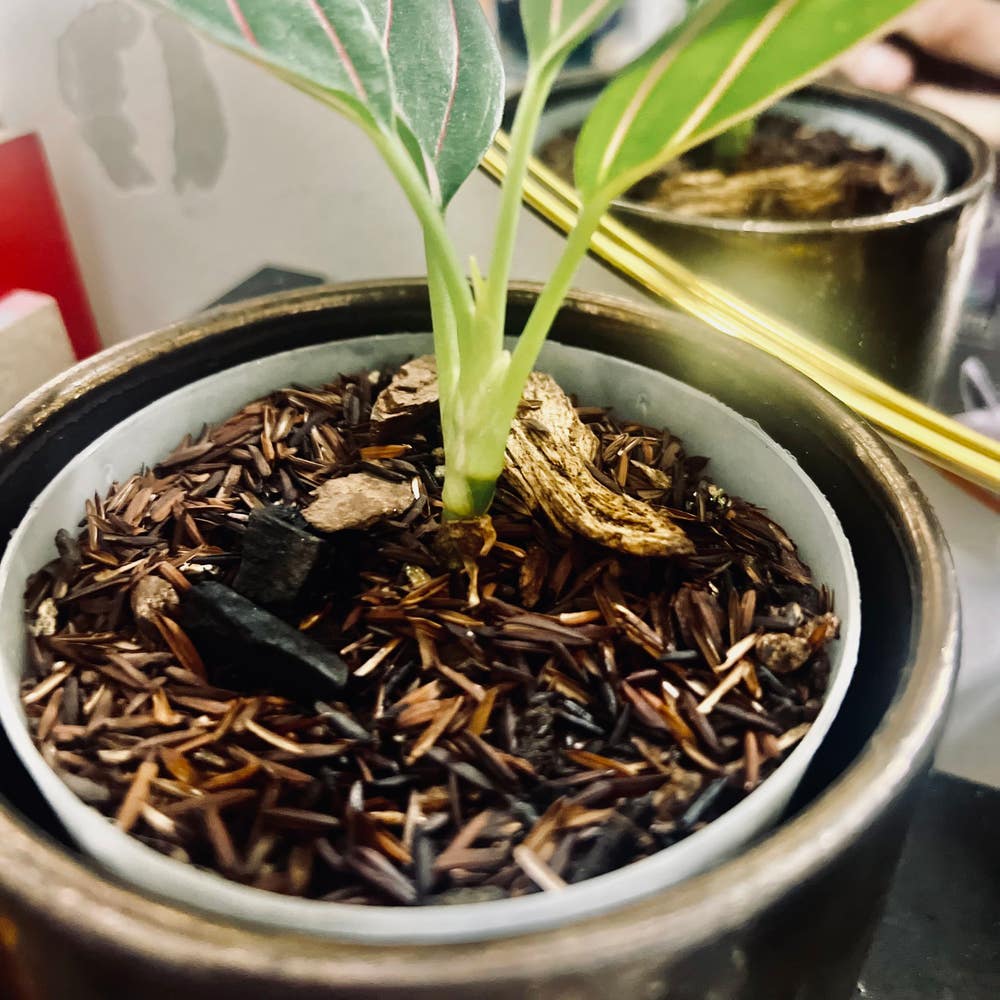
Unearthing the problem requires a hands-on approach. Gently lift your plant and check the roots; healthy ones are firm and white, while rot whispers trouble with brown, mushy tendrils.
From soggy to safe: First, stop watering. Let the soil dry out like a sunny day after a storm. If the roots are a mushy mess, trim the damage and repot in fresh, well-draining soil. Consider it a plant's fresh start.
Light and Temperature Tangles
🕶️ Finding the sweet spot
Reading the leaves: Your Aglaonema rotundum's foliage is like a mood ring for its health. Sun-stressed leaves might crisp up, turning as brown as toast left too long in the toaster. Conversely, leaves stretching out more than a yoga instructor at dawn could be light-starved.
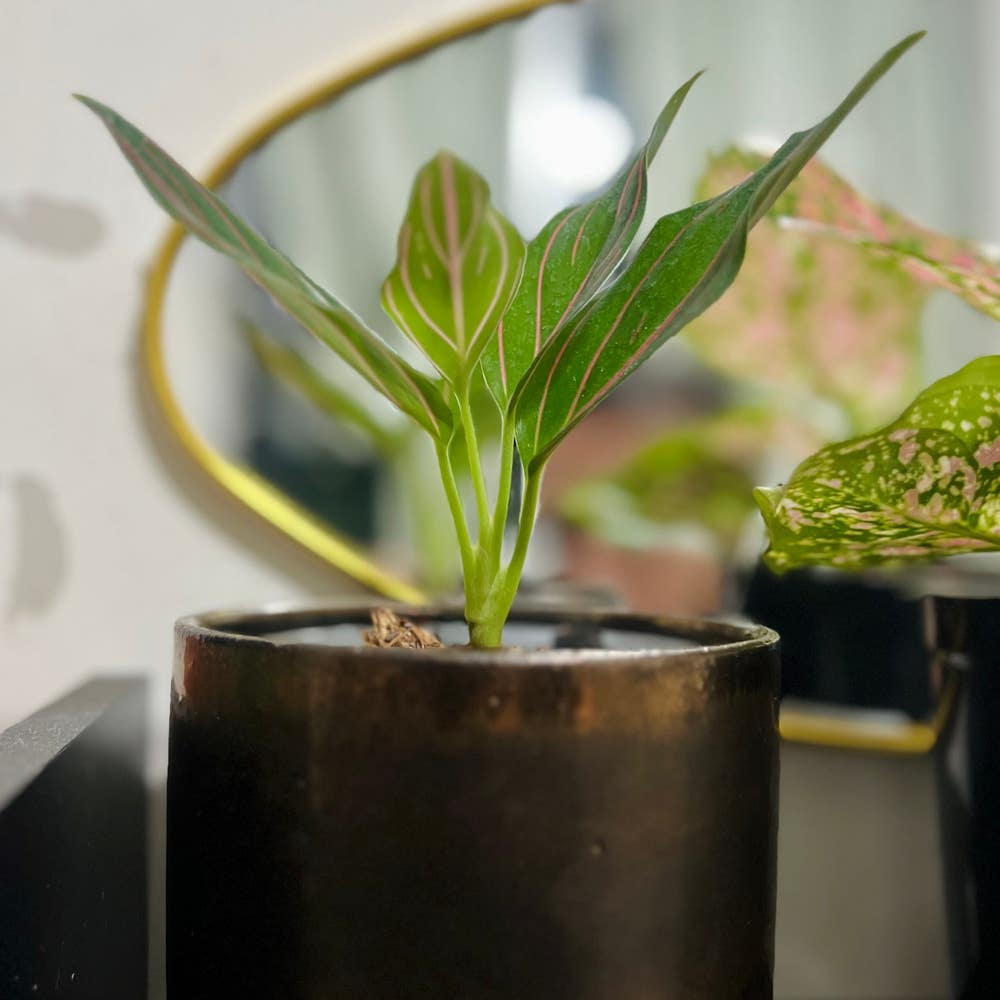
Finding the sweet spot: Aim for the Goldilocks zone of bright, indirect light. It's like giving your plant a pair of sunglasses—enough light to thrive, but with protection against harsh rays. Keep the temperature steady, avoiding the drama of a plant's version of a cold shower or a desert hike. Rotate your Aglaonema to prevent it from leaning more than the Tower of Pisa.
Remember, your plant isn't auditioning for a role as a sunbather or a shade-seeker. It's seeking that consistent, just-right spring day vibe every day.
The Unseen Invaders: Pests and Diseases
🐛 Bug Battles and Fungal Fights
Your Aglaonema rotundum may be under siege by tiny terrors you can't always see. Let's identify these pests and diseases, then kick them to the curb.
🐜 Recognizing Pests
Aphids, mealybugs, and spider mites are the usual suspects. Sticky leaves? Aphids are feasting. Fine webs? Spider mites have moved in. Cottony dots? Mealybugs are making themselves at home. Vigilance is your best weapon—regular inspections can save your plant's life.
🍄 Fungal Foes
Fungal issues often show up as unwelcome spots on leaves. Black or white splotches? Fungus is throwing a party. Prevention is simple: keep leaves dry, water at the base, and ensure good airflow. Spot a fungal rave? It's time for fungicide.
♻️ Sustainable Pest Management
Introduce beneficial insects like ladybugs if you're feeling eco-friendly. They're the unpaid interns of your garden, working hard to keep pests in check. For a more direct approach, insecticidal soap or neem oil can show pests the door without trashing the environment.
🕷️ Biological Warfare
Predatory mites and parasitic nematodes are your mini special ops team. They're nature's way of keeping the balance and giving your Aglaonema rotundum a fighting chance in this bug-eat-bug world.
💥 Treatment: The Final Stand
If prevention fails, it's time for treatment. Always follow the label instructions when using fungicides or pesticides. Treat the entire plant, including the underside of leaves, where pests love to hide. Remember, early intervention is the best defense. Stay proactive, and your Aglaonema rotundum will thank you.
Leaf Scorching: A Sign to Heed
🔥 Burn Notice
Scorched leaves on your Aglaonema rotundum are the equivalent of a red flag. If you notice the edges of the leaves turning brown and crispy, it's a clear sign of distress. The once vibrant green fades into a sad, washed-out color, indicating your plant has had too much sun.
Immediate action is required when you spot these symptoms. Move your plant to a shadier location to prevent further damage. Remember, scorched leaves won't recover, but your plant can still thrive with new growth.
Cool Down
To prevent leaf scorching, monitor the light exposure your Aglaonema rotundum receives. Direct sunlight is a no-go; these plants prefer bright, indirect light. If you're dealing with a heatwave, consider using a shade cloth to protect your plant.
For treatment, focus on the health of new leaves. Avoid stressing the plant with fertilizers or repotting during recovery. Ensure consistent watering, but be cautious not to overdo it, as this can lead to other issues like root rot. Keep a close eye on your plant's environment, and with a bit of TLC, your Aglaonema rotundum should bounce back from leaf scorching.
⚠️ Safety First
This content is for general information and may contain errors, omissions, or outdated details. It is not medical, veterinary advice, or an endorsement of therapeutic claims.
Always consult a qualified healthcare professional before using any plant as food, medicine, or supplement.
Never eat any plant (or feed one to pets) without confirming its identity with at least two trusted sources.
If you suspect poisoning, call Poison Control (800) 222-1222, the Pet Poison Helpline (800) 213-6680, or your local emergency service immediately.
Spotted an error? Please report it here.
Ensure your Aglaonema rotundum avoids the brink of despair 🌱 with Greg's precise watering reminders and light metering, keeping it lush and lively.