How Much Should I Water My Aglaonema rotundum?
Aglaonema rotundum
By the Greg Editorial Team
Feb 09, 2024•5 min read
This article was created with the help of AI so we can cover more plants for you. May contain errors. See one? Report it here.
- 🌱 Yellow leaves mean overwatering; droopy leaves signal thirst. Adjust accordingly.
- Seasons change, so does watering frequency: more in spring/summer, less in winter.
- Master 'soak and dry' method to prevent waterlogging and ensure even hydration.
When to Water Your Aglaonema Rotundum
💧 Reading Your Plant's Thirst Cues
Yellowing leaves? Your Aglaonema might be swimming in excess water. Mushy stalks? Definitely overdone it. These are distress signals from your plant begging for a change in its hydration routine. On the flip side, droopy leaves and dry soil are your Aglaonema's way of crying out for a drink.
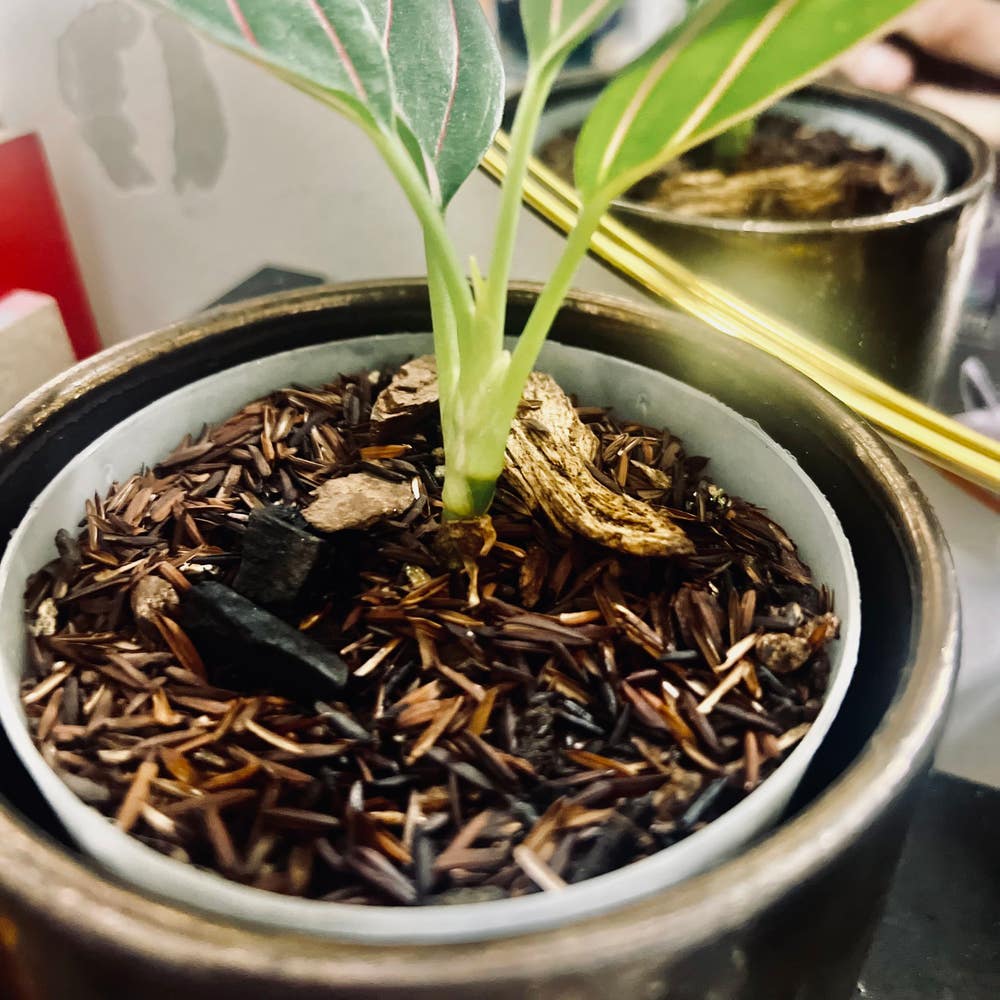
To avoid guesswork, poke the soil a couple of inches down. If it's dry, it's time to water. Better yet, use a soil moisture meter for a no-brainer check. Remember, the finger test is a classic for a reason—it's simple and it works.
🌦️ Seasonal Shifts in Watering
As the seasons turn, so should your watering habits. Aglaonema rotundum thrives with more frequent watering during the active growth of spring and summer. But when winter whispers, it's time to ease up and let the soil dry out more between waterings.
During the cooler months, your plant is likely taking a nap, slowing down its growth. Less water is needed. It's not being lazy; it's just how it survives the winter blues. Keep an eye on the light levels too; less sun means less water.
Remember, these are guidelines, not gospel. Your plant's thirst will vary with its environment. So, stay observant, stay flexible, and your Aglaonema will stay grateful.
Crafting the Perfect Watering Schedule
Creating a watering plan that adapts to your home environment and your Aglaonema rotundum's needs is essential for its health and growth.
💡 Environmental Factors to Consider
Light, temperature, and humidity are the puppeteers pulling the strings of your watering can. Your plant's thirst is dictated by these factors, not the day of the week.
🌞 Light: The Spotlight Effect
High light levels mean your Aglaonema is drinking more, so it'll need more frequent watering. In dimmer conditions, it's time to ease up on the hydration.
🌡️ Temperature and Humidity: The Dynamic Duo
Temperature spikes dry out the soil faster, calling for more water. But if your home is more humid, you can afford to water less often. It's a balancing act.
🌱 Pot Size and Soil Type: The Unsung Heroes
The size of your pot and the type of soil you use are crucial. Smaller pots dry out faster, while certain soil types retain moisture longer. Choose wisely.
🔄 Adjusting Your Watering Schedule
Keep a close eye on your plant and the environment it's in. Adjust your watering frequency with the precision of a DJ mixing tracks—too much or too little, and the vibe is off.
🌿 Responding to Environmental Cues
If your plant is in a sunnier spot or a heated room, it will likely need more water. Conversely, if it's in a cooler, shadier area, it may need less. Watch the weather; if rain or a cold snap is coming, adjust your watering accordingly.
📆 The Weekly Watering Baseline
Start with a weekly check-in. Keep the soil consistently moist but not waterlogged. It's like setting the first date; you can't ghost them and expect a second.
🌿 The Takeaway
Your Aglaonema rotundum doesn't need a rigid schedule; it needs a responsive caregiver. Monitor, adjust, and thrive. It's not just about sticking to a schedule; it's about being a water whisperer.
Rescue and Recovery: Dealing with Watering Mishaps
Recognizing the signs of improper watering is the first step towards rescuing your Aglaonema rotundum.
🚱 The Road to Recovery
🌊 Recognizing Overwatering
Yellow leaves waving the white flag? Your Aglaonema might be drowning in excess love. Squishy stems? That's a red alert for root rot. If your plant's roots look more like a brown mush than firm white tendrils, it's time for emergency care.
- Stop watering immediately and let the soil dry out.
- Gently remove the plant from its pot to inspect and trim any rotten roots.
- Repot with fresh, well-draining soil to give your plant a new lease on life.
🏜️ Addressing Underwatering
Crunchy leaves? Your Aglaonema is parched. If the soil feels like the Sahara, it's begging for a drink.
- Give your plant a thorough soak; let it drink up until the soil is evenly moist.
- Trim away any dead foliage to help it focus on new growth.
- Adjust your watering schedule to be more consistent, but don't overcompensate and flood it.
🛡️ Preventing Future Watering Mishaps
Invest in a moisture meter to take the guesswork out of watering. Keep your plant's environment in mind—light, temperature, and humidity all play a part in how thirsty your Aglaonema gets. Remember, a regular watering schedule is good, but adaptability is key. Keep an eye on your plant and the soil, not the calendar, to determine when it's time for a drink.
Watering Techniques for Success
Mastering the soak and dry method is crucial for the well-being of your Aglaonema rotundum. This technique ensures that the plant receives moisture down to its roots while avoiding the dangers of overwatering.
💧 The Art of Even Watering
Even watering is the secret sauce to a thriving Aglaonema rotundum. It's about hitting that sweet spot where the soil is moist but not waterlogged.
- Check the soil: Before you water, do the touch test. If the top inch feels dry, it's time to water.
- Water evenly: Make sure water reaches all parts of the soil, not just one side of the pot.
- Drainage is key: Use pots with drainage holes to prevent your Aglaonema's roots from sitting in excess water.
- Observe and adapt: Your plant will tell you if it's happy. Yellow leaves? Ease up on the H2O. Droopy? Might need a drink.
Remember, watering is more of an art than a science. Keep an eye on your plant and adjust as needed. Your Aglaonema rotundum will thank you with lush, vibrant leaves.
⚠️ Safety First
This content is for general information and may contain errors, omissions, or outdated details. It is not medical, veterinary advice, or an endorsement of therapeutic claims.
Always consult a qualified healthcare professional before using any plant as food, medicine, or supplement.
Never eat any plant (or feed one to pets) without confirming its identity with at least two trusted sources.
If you suspect poisoning, call Poison Control (800) 222-1222, the Pet Poison Helpline (800) 213-6680, or your local emergency service immediately.
Spotted an error? Please report it here.
Keep your Aglaonema rotundum thriving with tailored watering reminders 💧 from Greg, adapting to your plant's needs with every season and home environment change.