Elephant's Foot

4.7 out of 5 (3 experiences)
 Survivor
 Fast grower
About Elephant's Foot
Elephant's Foot is a popular houseplant 🌿 that needs regular watering to thrive. They do best in long-lasting, direct light ☀️ and should be less than 1 foot from a window.
Plant parents describe this plant as being a survivor and a fast grower with a whopping 199 being grown with Greg around the world. Check out the reviews below for more details!🌟
Elephant's Foot likes soil that is well draining. You may want to supplement with a gentle, organic fertilizer throughout the peak growing season.
Taxonomy

Dioscorea elephantipes
Dioscorea
Dioscoreaceae
Dioscoreales
Also known as
Elephant's Foot, Elephants Foot and Discorea Elephantipes

How to care for Elephant's Foot
How often to water your Elephant's Foot

every 9
Elephant's Foot needs 0.5 cups of water every 9 when it doesn’t get direct sunlight and is potted in a 5" pot.
Use our water calculator to personalize watering recommendations to your environment or download Greg for more advanced recommendations for all of your plants.

Water 0.5 cups every
9
Finding light for Elephant's Foot in your home

a window
Elephant's Foot love being close to bright, sunny windows 😎.
Place it less than 1ft from a south-facing window to maximize the potential for growth.
Elephant's Foot does not tolerate low-light 🚫.
Select your region to see how the current weather in your area affects the placement of Elephant's Foot in your home 🏡.
How to fertilize Elephant's Foot

Most potting soils come with ample nutrients which plants use to produce new growth.
By the time your plant has depleted the nutrients in its soil it’s likely grown enough to need a larger pot anyway.
To replenish this plant's nutrients, repot your Elephant's Foot after it doubles in size or once a year—whichever comes first.
-
Two more starting to vine - time to repot! #repotting #DioscoreaElephantipes #Caudex
-
This is Song (short for “Elephant Song”, long story 😊). Potted at the end of May, looking forward to watching her grow! #HottentotBread
-
Somebody is getting a #repot! #repotting #DioscoreaElephantipes #ElephantFootYam
-
Elephant’s foot repot This Dioscorea elephantipes has been dormant for a bit, so it seemed like a good time to repot. That way I’m not dealing with vines. This buddy is a little under a year old, I think. I sowed seed in August or September last year
-
It seems to die on me slowly It seems like it doesn't want to grow. Leafes are getting browny and I can't really see any growth since couple months.
-
Welcome Maya! Just got my Elephantipis😊Does anyone have one and willing to share their experience with caring for this little girl.
-
***EDITED to add #CitrusGrandPrix 😁 AHHHHH!!! I have a late-bloomer!! 😁 Now ALL FIVE of my Dioscorea elephantipes seeds have sprouted!! I was so excited when I saw the last one!! 🥳 🌱 YEAH!!!! #NewGrowth #PlantsMakePeopleHappy #HappyPlants #PlantAddict #PlantTherapy #PlayingWithPlantsInsteadOfWorking (yard work, that is!)
-
#CitrusGrandPrix My future favorite #Caudex my #DioscoreaElephantipes #HappyPlants #NewGrowth #PlantsMakePeopleHappy #PlantAddict #PlayingWithPlantsInsteadOfWorking 🤫
-
#CitrusGrandPrix in 30 years, these will be so cool. I'm in it for the long haul! When I'm old, I'll be surrounded by some awesome plants. 😉 Planted: 4/5/2022
-
I hope this is new growth and not a volunteer! #PetsAndPlants #PetsOfGreg Lump has been keeping an eye on my Dioscorea Elephantipes seeds. 🦎 They needed a warm place to sit and Lump's house is the warmest place!


Care Summary for Elephant's Foot

Elephant's Foot
 Greg recommends:
 Water
Water
0.5 cups every 9 days
 Placement
< 1ft from a window
 Nutrients
Repot after 2x growth
Based on the 4” pot your plant is in, and that it doesn’t get direct sunlight.
What other plant parents say
Survivor 3
Fast grower 1


 09/16/2021
Easy to grow from seed and weathers forgotten watering sessions like a champ. However, needs full sun. FULL. SUN. I’M TALKING SAHARA LEVEL SUN.
Fast grower
Survivor
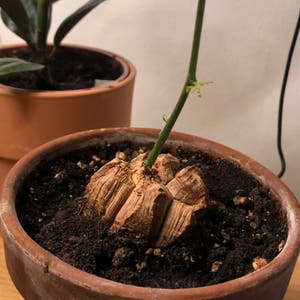


 03/16/2021
This bad boy literally just sits here and looks goods , I water her once every 3-4 weeks or so and she’s thriving
Survivor
 Trending in your area
Sweet Basil

Ponytail Palm

Swiss Cheese Vine
Baby Rubber Plant
Triostar Stromanthe

Chinese Money Plant

String of Bananas

Florist Kalanchoe
Philodendron Birkin
Panda Plant

Painter's Palette

Hens and Chicks

Pincushion Peperomia

Dwarf Umbrella Tree

Fairy Washboard
Green Prayer Plant

Tomato Plant
Jelly Bean Plant
 Similar to Elephant's Foot

✨ Discover rare plants
Philodendron 'Rio'

Tuber Fleeceflower

Anthurium Fingers

Eden Climbing Rose

Philodendron eximium

Begonia lubbersii

Chandelier Plant

Croton Nervia
Hoya 'Memoria'

Euphorbia baioensis

Graptoveria 'Douglas …

Royal Flush Split Rock

Cereus peruvianus 'Pa…

Red Mistletoe Cactus

Crassula 'Calico Kitt…
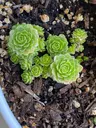
Rosularia platyphylla