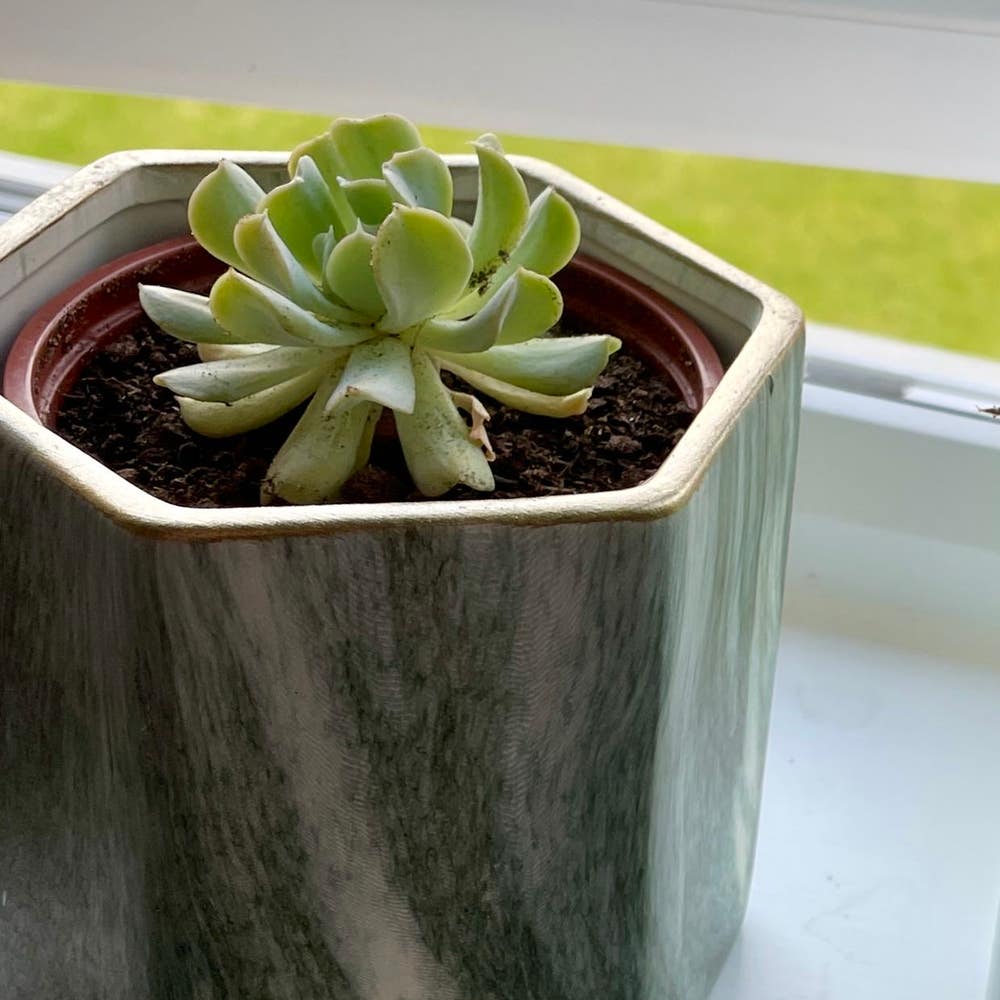
🌵 Understanding Why Your Echeveria 'Topsy Turvy' Is Wilting
Echeveria runyonii 'Topsy Turvy'
By the Greg Editorial Team
Sep 29, 2024•6 min read
This article was created with the help of AI so we can cover more plants for you. May contain errors. See one? Report it here.
- 💧 Wilting in Echeveria 'Topsy Turvy' often signals water stress from overwatering or underwatering.
- 🌡️ Heat and excessive sunlight can cause wilting; provide cooler, indirect light conditions.
- 🦠 Check for diseases if leaves are yellowing or mushy; quick action is crucial.
Common Causes of Wilting Leaves
💧 Water Stress
Wilting leaves often signal water stress in your Echeveria 'Topsy Turvy'. Symptoms include shriveled or limp leaves, indicating that something is off with the moisture levels.
Underwatering
When the plant doesn't receive enough water, it becomes dehydrated. This lack of moisture leads to those sad, droopy leaves.
Overwatering
On the flip side, overwatering can cause root rot. This condition suffocates the roots, resulting in wilting leaves that are a cry for help.
🔥 Heat Stress
Heat stress is another common culprit behind wilting. Symptoms may include curling leaves or discoloration, signaling that your plant is feeling the heat.
Excessive Sunlight Exposure
Direct sunlight can scorch the leaves, making them curl or fade. If your Echeveria is basking in too much sun, it’s time to find a more forgiving spot.
High Temperatures
Prolonged exposure to high temperatures can also lead to wilting. Your plant needs a break from the relentless heat to thrive.
🦠 Disease-Related Wilting
Sometimes, wilting is a sign of disease. Symptoms like yellowing or mushy leaves indicate that something more serious might be at play.
Fungal Infections
While rare, fungal infections can occur in overly moist conditions. If you notice these symptoms, it’s crucial to act quickly.
Bacterial Infections
Bacterial infections are less common in Echeveria 'Topsy Turvy', but they can still happen. Keep an eye out for any unusual changes in your plant's health.
Understanding these common causes of wilting leaves is the first step in reviving your Echeveria. Next, let’s explore how to diagnose the issue effectively.
Diagnosing Wilting
🕵️♂️ Step-by-Step Guide to Diagnosis
Diagnosing wilting in your Echeveria 'Topsy Turvy' starts with assessing soil moisture. Check if the soil is dry or overly wet, as this is crucial for understanding the plant's hydration needs.
Next, examine the leaf texture for signs of shriveling or discoloration. Healthy leaves should feel firm, so any softness or limpness is a red flag.
Finally, evaluate environmental conditions. Consider the temperature and light exposure, as both can significantly impact your plant's health.
👀 Signs to Look For
Keep an eye out for leaf color changes, such as yellowing or browning edges. These changes often indicate stress that needs addressing.
Also, watch for leaf shape alterations, like curling or drooping leaves. These symptoms can signal issues ranging from water stress to heat stress.
Don't forget to inspect the roots. Check for mushy or blackened roots, which can indicate root rot or disease.
By following these steps, you can effectively diagnose the cause of wilting and take appropriate action. This proactive approach will help ensure your Echeveria thrives.
Next, let’s explore actionable solutions to revive your wilting plant.
Solutions for Wilting Leaves
💧 Actionable Advice for Water Stress
Underwatering can leave your Echeveria 'Topsy Turvy' looking sad and shriveled. To revive it, water thoroughly until excess drains out, and make it a habit to check the soil—water when the top inch feels dry.
On the flip side, overwatering can lead to root rot, which is a serious issue. Allow the soil to dry out completely before the next watering, and if you suspect root rot, consider repotting in well-draining soil to give your plant a fighting chance.
🌡️ Actionable Advice for Heat Stress
If your plant is wilting due to heat stress, the first step is to relocate it. Move it to a spot with indirect sunlight to shield it from harsh rays.
Additionally, providing shade during peak sun hours can make a world of difference. Use sheer curtains or shade cloth to protect your plant while still allowing some light to filter through.
🦠 Actionable Advice for Disease-Related Wilting
When it comes to disease-related wilting, prompt action is essential. Start by removing any affected leaves—pruning mushy or discolored parts can prevent further spread.
Improving air circulation is also crucial. Ensure proper spacing between plants to allow for airflow, and if you suspect a fungal infection, treat it with appropriate fungicides to keep your Echeveria healthy.
By addressing these issues promptly, you can help your Echeveria 'Topsy Turvy' bounce back and thrive. Next, let’s explore preventive measures to keep your plant healthy and happy in the long run.
Preventive Measures
Tips to Minimize Future Wilting 🌱
To keep your Echeveria 'Topsy Turvy' thriving, regularly check the soil moisture. This simple habit can prevent water stress, ensuring your plant stays hydrated and happy.
Additionally, monitor environmental conditions closely. Keeping an eye on temperature and light exposure can help you catch potential issues before they escalate.
Environmental Adjustments 🌡️
Aim for an ideal temperature range of 20°C to 25°C (68°F to 77°F). This range is perfect for your Echeveria, promoting healthy growth and resilience.
For light conditions, provide bright, indirect sunlight for 6-8 hours daily. This balance helps your plant absorb the right amount of light without risking scorch or wilting.
By implementing these preventive measures, you can create a nurturing environment that minimizes the risk of wilting. With a little attention, your Echeveria will flourish, setting the stage for a vibrant, thriving plant.
Next, let’s explore effective techniques for reviving a wilted plant.
Reviving a Wilted Plant
🌊 Techniques for Bottom Watering
Bottom watering is a gentle way to revive your Echeveria 'Topsy Turvy'.
- Place the pot in a shallow dish of water.
- Allow the soil to absorb moisture from the bottom for 30 minutes.
This method encourages the roots to reach down for water, promoting healthier growth.
🏡 Relocation Strategies
Sometimes, a simple change of scenery can work wonders.
- Temporary relocation: Move your plant to a cooler, shaded area for a few days.
- Gradual reintroduction: Slowly acclimate it back to its original light conditions to avoid shock.
This strategy helps your plant recover without overwhelming it.
✂️ Pruning Damaged Leaves
Pruning is essential for revitalizing your plant.
- Tools: Use clean, sharp scissors or pruning shears to avoid introducing bacteria.
- Technique: Cut leaves at the base, being careful not to damage healthy parts of the plant.
This not only improves appearance but also allows the plant to focus energy on new growth.
Reviving a wilted Echeveria 'Topsy Turvy' requires a mix of careful watering, strategic relocation, and thoughtful pruning. With these techniques, your plant can bounce back and thrive once again.
When to Seek Help
🌱 Signs That Professional Help is Needed
If your Echeveria 'Topsy Turvy' continues to wilt despite your best care efforts, it may be time to seek professional help. Look for persistent wilting, even after adjusting watering and light conditions, as well as signs of severe root rot or disease that you can't manage at home.
🛠️ Resources for Assistance
Local nurseries can be invaluable resources. Their knowledgeable staff can provide tailored advice based on your specific situation.
Online plant care communities, like Greg, are also great for support. Engaging with fellow plant enthusiasts can offer fresh insights and solutions you might not have considered.
If you're feeling overwhelmed, remember that seeking help is a smart move. Your plant's health is worth it!
⚠️ Safety First
This content is for general information and may contain errors, omissions, or outdated details. It is not medical, veterinary advice, or an endorsement of therapeutic claims.
Always consult a qualified healthcare professional before using any plant as food, medicine, or supplement.
Never eat any plant (or feed one to pets) without confirming its identity with at least two trusted sources.
If you suspect poisoning, call Poison Control (800) 222-1222, the Pet Poison Helpline (800) 213-6680, or your local emergency service immediately.
Spotted an error? Please report it here.
Revive your Echeveria 'Topsy Turvy' and keep it thriving 🌿 with Greg's tailored care reminders that ensure your plant gets just the right amount of water and light!