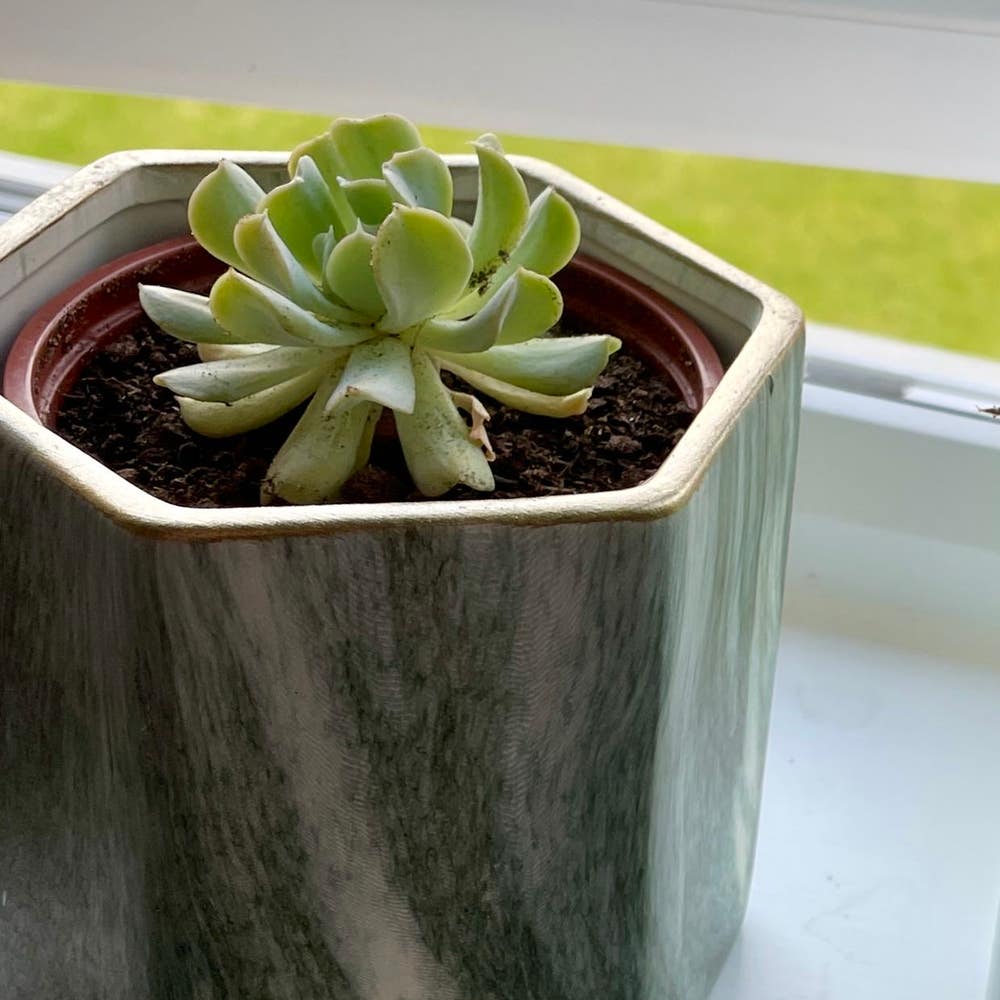
🌵 Echeveria 'Topsy Turvy' Roots 101
Echeveria runyonii 'Topsy Turvy'
By the Greg Editorial Team
Sep 29, 2024•6 min read
This article was created with the help of AI so we can cover more plants for you. May contain errors. See one? Report it here.
- 🌱 Echeveria 'Topsy Turvy' roots enhance stability and water absorption in shallow soil.
- 💧 Prevent root rot by allowing soil to dry completely between waterings.
- 🌞 Healthy roots are crucial for propagation; monitor for signs of stress and rot.
Root System Type
Fibrous Characteristics 🌱
A fibrous root system is characterized by numerous thin roots that radiate from the base of the plant. This structure allows for efficient water absorption, thanks to its larger surface area.
Advantages of Fibrous Roots 🌟
- Efficient Water Absorption: The extensive network of roots maximizes moisture uptake.
- Stability in Shallow Soil: These roots provide adaptability, making the plant resilient in various environments.
Specific Traits of Echeveria 'Topsy Turvy' 🌼
Echeveria 'Topsy Turvy' features shallow roots that spread horizontally. However, this can lead to the plant becoming rootbound if it doesn't have enough space to grow.
Understanding the fibrous root system of Echeveria 'Topsy Turvy' is crucial for its care. Next, we’ll explore the typical depth, spread, and growth patterns of these fascinating roots.
Root Depth, Spread, and Growth Patterns
🌱 Typical Depth and Spread
Echeveria 'Topsy Turvy' boasts an average root depth of 6-12 inches (15-30 cm). Its roots can extend impressively, reaching up to 12-18 inches (30-45 cm) from the base, allowing the plant to thrive in various environments.
📈 Growth Patterns
During the growing season, which spans spring and summer, these roots grow rapidly, soaking up nutrients and water. As fall and winter approach, growth slows down, requiring less frequent watering and fertilization, making seasonal adjustments essential for optimal health.
Understanding these growth patterns helps you anticipate your plant's needs, ensuring it remains vibrant and resilient. With the right care, your Echeveria 'Topsy Turvy' will flourish, setting the stage for the next section on watering, fertilizing, and transplanting.
Watering, Fertilizing, and Transplanting
Watering Needs 🌊
Echeveria 'Topsy Turvy' thrives in well-draining soil, which is crucial for preventing root rot. Always allow the soil to dry out completely between waterings to maintain optimal moisture levels.
Fertilizing Considerations 🌱
During the growing season, light feeding every 4-6 weeks is ideal for this succulent. Opt for balanced fertilizers with low nitrogen to support healthy growth without overwhelming the plant.
Best Practices for Transplanting 🌿
Transplanting should ideally occur during the growing season to minimize stress on the plant. Follow these steps for a successful transplant:
- Prepare a new pot with well-draining soil.
- Gently remove the plant, taking care not to damage the roots.
- Place it in the new pot, ensuring the roots are spread out.
- Water lightly after transplanting to encourage root establishment.
By following these guidelines, you can ensure your Echeveria 'Topsy Turvy' remains healthy and vibrant. Proper watering, fertilizing, and transplanting practices are key to nurturing this unique succulent.
Next, let’s explore common root-related issues that can affect your plant's health.
Common Root-Related Issues
Identifying Problems 🌱
Root health is crucial for Echeveria 'Topsy Turvy'. Watch for symptoms of root rot, such as wilting, yellowing leaves, and a foul smell emanating from the soil.
Fungal infections can also arise from excessive moisture. Keeping an eye on these signs can save your plant from serious damage.
Prevention Tips 🚫
To prevent root issues, start with well-draining soil mixes specifically designed for succulents. This ensures that excess water flows away, reducing the risk of rot.
Avoid overwatering your plant. Always check that pots have drainage holes to allow for proper water escape.
Lastly, monitor environmental conditions. High humidity can lead to problems, so ensure your plant has adequate airflow to thrive.
By staying vigilant and proactive, you can keep your Echeveria 'Topsy Turvy' healthy and vibrant. Next, let’s explore the visual cues that indicate whether your roots are thriving or struggling.
Healthy vs Unhealthy Roots
👀 Visual Cues for Health
Healthy roots are a gardener's pride. Look for roots that are firm, with a white or light tan color, and a fresh, earthy smell.
Signs of robust root health include rapid growth and vibrant foliage. If your Echeveria 'Topsy Turvy' is thriving, its roots are likely doing their job well.
🚨 Signs of Unhealthy Roots and Actions
Unhealthy roots can spell trouble. Dark, mushy, or foul-smelling roots indicate that something is off, often due to overwatering or poor drainage.
If you suspect root issues, take corrective actions promptly:
- Remove the plant from the pot gently.
- Trim away any damaged roots using sterilized scissors.
- Repot the plant in fresh, dry soil to encourage recovery.
By addressing root health proactively, you can ensure your Echeveria continues to flourish. Understanding these signs helps you maintain a vibrant plant that can withstand stressors effectively.
Next, let’s explore rootbound conditions and how to recognize and remedy them.
Rootbound Conditions
Definition and Recognition 🌱
Rootbound refers to a condition where the roots of Echeveria 'Topsy Turvy' grow in circles around the pot. This growth pattern limits the plant's ability to absorb nutrients and water effectively.
Signs of a rootbound plant include roots protruding from drainage holes, stunted growth, and wilting even when the soil is adequately watered. Recognizing these symptoms early can help prevent further stress on your plant.
Solutions 🛠️
To remedy rootbound conditions, repotting is essential. Move the plant to a larger pot filled with fresh, well-draining soil to give the roots room to expand.
Additionally, root pruning can be beneficial. Trim back excess roots before repotting to encourage new growth and revitalization. This simple step can make a significant difference in your plant's health and vigor.
Understanding and addressing rootbound conditions will ensure your Echeveria 'Topsy Turvy' thrives. Next, let’s explore the importance of healthy roots and how to propagate your plant successfully.
Propagation and Division
Importance of Root Health 🌱
Healthy roots are the backbone of successful propagation and division. Strong roots not only support new growth but also enhance the resilience of propagated plants.
Techniques for Division ✂️
Dividing Echeveria 'Topsy Turvy' can be a rewarding experience. Follow these steps for effective division:
- Remove the plant from its pot. Gently lift it out to minimize root disturbance.
- Gently separate the offsets or pups from the main plant. Use your fingers or a clean tool to avoid damaging the roots.
- Allow cut surfaces to callous for 1-2 days before replanting. This helps prevent rot and encourages healthy growth.
- Plant in well-draining soil and water lightly. Ensure the new home has good drainage to keep roots happy.
By following these techniques, you can ensure that your Echeveria thrives and continues to bring beauty to your space. Understanding the importance of root health will set you on the path to successful propagation.
⚠️ Safety First
This content is for general information and may contain errors, omissions, or outdated details. It is not medical, veterinary advice, or an endorsement of therapeutic claims.
Always consult a qualified healthcare professional before using any plant as food, medicine, or supplement.
Never eat any plant (or feed one to pets) without confirming its identity with at least two trusted sources.
If you suspect poisoning, call Poison Control (800) 222-1222, the Pet Poison Helpline (800) 213-6680, or your local emergency service immediately.
Spotted an error? Please report it here.
Unlock the secret to thriving Echeveria 'Topsy Turvy' roots with Greg's tailored watering alerts and expert care tips, ensuring your plant flourishes all season long! 🌿 Flourish!