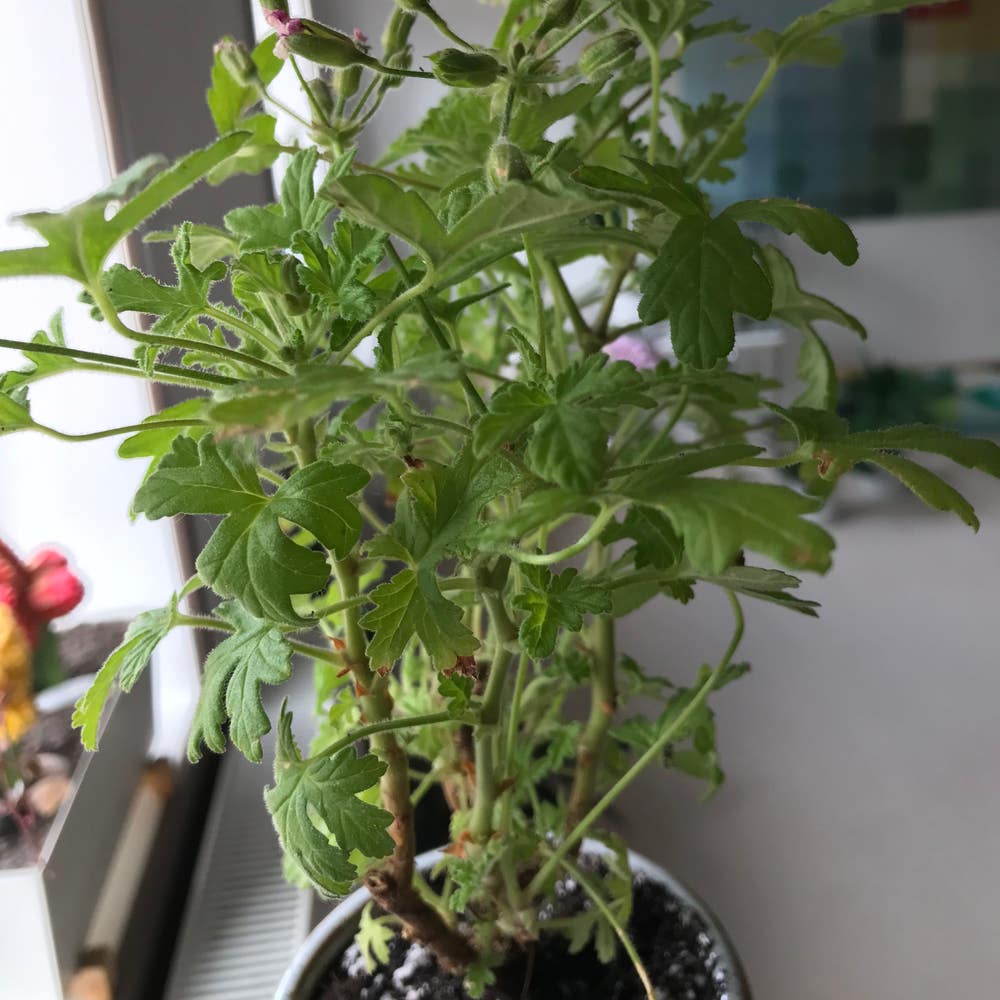
Why Are the Leaves on My Cheeseweed Mallow Turning Yellow? 🍂
Malva parviflora
By the Greg Editorial Team
Feb 14, 2024•4 min read
This article was created with the help of AI so we can cover more plants for you. May contain errors. See one? Report it here.
- 🚩 Rapid yellowing means trouble; assess for water, light, and pests.
- 💧🌞 Balance water and light to prevent yellow, limp, or wilted leaves.
- 🐛🍄 Watch for pests and fungi; early detection can save your Cheeseweed Mallow.
Spotting Trouble: Identifying Yellow Leaves
🚨 Signs and Symptoms
Yellowing leaves on your Cheeseweed Mallow aren't just a new aesthetic; they're a distress signal. The key is in the details: Are the yellow leaves older and at the bottom, or are they fresh growth at the top? Gradual yellowing of lower leaves is part of the plant's natural cycle. But if the yellowing is rapid or widespread, it's time to take action.
When to Worry
It's normal for plants to shed their senior leaves, but if your Cheeseweed Mallow's new wardrobe includes yellow across multiple leaves, that's a red flag. Watch out for leaves that lose their vibrant green, turning a sickly yellow. If the stems feel as weak as overcooked spaghetti, or if the plant's overall vibe screams "help me," you've got more than an aging issue.
Root of the Problem: Common Causes for Yellow Leaves
💧 Water Woes
Overwatering is like an all-you-can-drink buffet for plants that aren't thirsty. It's a common misstep that leads to root rot, where roots become as unappealing as overcooked pasta. If the leaves of your Cheeseweed Mallow are turning yellow and limp, it's time to check the soil. Healthy roots should be firm and white, not brown and squishy.
Conversely, underwatering is like sending your plant on a desert trek without a water bottle. Signs to watch for include wilting, yellow or brown leaves, and stunted growth. The soil should be your guide – when the top inch feels dry, it's time to water. But remember, moderation is key; think moist, not soggy.
🌞 Light and Shadow Play
Lighting is crucial. Too much light, and your Cheeseweed Mallow might as well be sunbathing without sunscreen. Too little, and it's akin to living in a cave. Aim for the Goldilocks zone of bright, indirect light. This is where your plant thrives, avoiding the extremes of sunburn and shadow.
🍽️ Feeding Frenzy
Nutrients are the plant's multivitamins. A balanced fertilizer is essential, but overdoing it can lead to nutrient overload, akin to a hangover. Yellow leaves might signal a cry for help, indicating a deficiency. However, don't turn into a mad scientist trying to diagnose the issue; a general-purpose fertilizer usually does the trick. Remember, less is often more when it comes to plant food.
Bug Off: Pests and Diseases Leading to Yellow Leaves
🐜 Unwanted Guests
Cheeseweed Mallow is not immune to the sneaky attacks of common pests. Look for the mallow flea beetle and the capsid beetle, both of which can leave your plant's leaves yellow and unhappy. Caterpillars and two-spotted mites are also culprits, munching and sucking the vitality from your greenery.
Keep an eye out for the Japanese beetle and slugs, which are less like guests and more like gatecrashers at your plant's expense. Regular inspections are your best defense; catching these pests early can save your Cheeseweed Mallow from a yellow fate.
🍄 Fungal Foes
Fungi, those unseen villains, can also turn your Cheeseweed Mallow's leaves yellow. Leaf spot, rust, and anthracnose are common fungal infections, with rust being particularly sneaky as it can overwinter on plant debris.
To combat these fungal foes, cleanliness is next to godliness. Remove dead leaves and plant parts in the fall to prevent overwintering spores. If you spot any signs of infection, such as yellowing leaves with spots or mold, act swiftly to prevent further damage.
Green Thumb Tactics: Fixing Yellow Leaves
💧 Watering Wisdom
Consistency is king when it comes to watering your Cheeseweed Mallow. The soil should feel like a wrung-out sponge—moist but not waterlogged. If the soil's as dry as a stand-up comedian's wit, it's time to water. But if it's soggier than a wet weekend, hold off on the hydration. Remember, your plant's thirst varies with the seasons; water less when growth slows down.
☀️ Light Adjustments
Too much sun can bleach your plant's leaves like a bad dye job, while too little leaves them craving the spotlight. Aim for the Goldilocks zone of light—just enough to keep your Cheeseweed Mallow basking without baking. If your plant's leaves are as yellow as a New York taxi, consider moving it to a spot with indirect light or filter the sunlight with a sheer curtain.
🍽️ Nutrient Nudges
Yellow leaves can be a cry for nutritional help. Think of fertilizer as a spice rack; you need the right mix for the perfect dish. A balanced fertilizer is your go-to, but don't shake it on like you're trying to cover up bland food. Over-fertilizing is as counterproductive as a screen door on a submarine. Follow the instructions, and water before feeding to prevent root burn. If you're seeing yellow, check for signs of specific nutrient deficiencies and adjust accordingly.
⚠️ Safety First
This content is for general information and may contain errors, omissions, or outdated details. It is not medical, veterinary advice, or an endorsement of therapeutic claims.
Always consult a qualified healthcare professional before using any plant as food, medicine, or supplement.
Never eat any plant (or feed one to pets) without confirming its identity with at least two trusted sources.
If you suspect poisoning, call Poison Control (800) 222-1222, the Pet Poison Helpline (800) 213-6680, or your local emergency service immediately.
Spotted an error? Please report it here.
Banish the yellow-leaf blues and keep your cheeseweed mallow thriving 🌟 with Greg's precise diagnostics and personalized care reminders!