Why Are My Cheeseweed Mallow Leaves Mushy?
Malva parviflora
By the Greg Editorial Team
Feb 14, 2024•3 min read
This article was created with the help of AI so we can cover more plants for you. May contain errors. See one? Report it here.
- Overwatering and fungi make Cheeseweed Mallow leaves mushy.
- Check soil moisture before watering; adjust schedule accordingly.
- Improve drainage and airflow to prevent future mushiness.
Spotting the Mushy Culprits
🍌 Signs of Mushiness
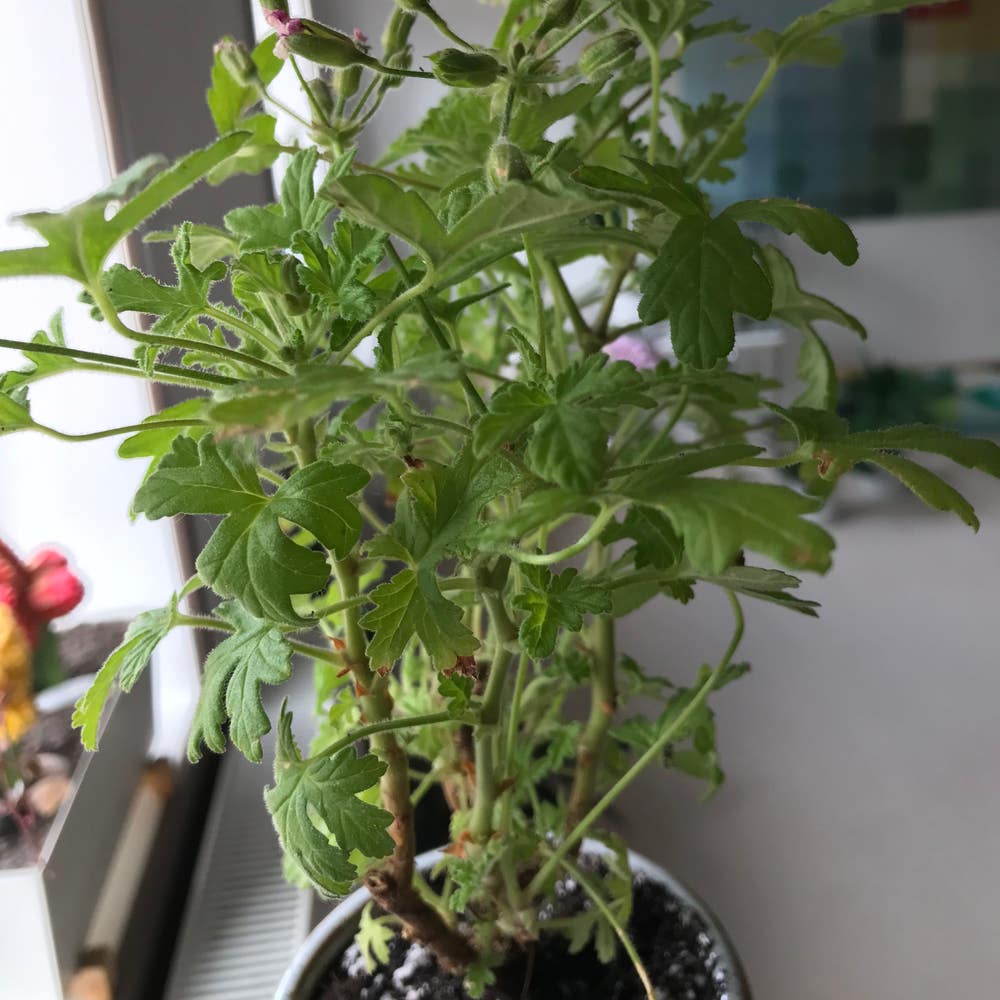
Leaves that feel like they've thrown in the towel are a red flag. They should be sturdy, not imitating overripe bananas. Discoloration is another giveaway; think yellow-brown, not lush green. If your Cheeseweed Mallow leaves crumble at a touch, it's a clear SOS.
🌊 Triggers of Leaf Mushiness
Overwatering and poor drainage are the usual suspects here. They turn your plant's home into a swamp, and not the fun kind. Fungal infections sneak in next, turning healthy leaves into a gardener's nightmare. Keep an eye out for yellow rings or powdery growths – they're not just ugly, they're harmful.
Rescuing Your Plant from Overwatering
🌊 Assessing Your Watering Routine
Check the soil before you water—dive an inch deep. If it's damp, your Cheeseweed Mallow doesn't need a drink. Overwatering can lead to soggy soil, a silent killer of your plant's roots.
🚱 Fixing the Water Woes
Adjust your watering schedule to match your plant's needs. It's not about sticking to a calendar, but about observing and responding to the soil's moisture level. To combat water retention, mix in some perlite or sand to enhance drainage. Remember, roots need to breathe too, not just swim.
Battling Fungal Foes
🍄 Recognizing Fungal Invaders
Fungal infections are silent attackers of Cheeseweed Mallow, often unnoticed until it's too late. Look for white coatings or dark spots on leaves—these are the telltale signs. Fungi feast on moisture, turning robust leaves into mushy messes.
🦠 Fungicide to the Rescue
Choosing the right fungicide is like picking a knight to defend your garden's honor. Ensure the product is compatible with your Cheeseweed Mallow. When applying, think of yourself as a plant surgeon—meticulous and precise. Follow the label's instructions to the letter, and don't forget to sterilize your tools afterwards to prevent the spread of the fungal plague.
Preventing Future Mushiness
💧 Watering Wisdom
To prevent future mushiness in your Cheeseweed Mallow, it's crucial to get your watering technique down to a science. Check the soil before watering; if it's damp, skip the watering can. Use tools like a moisture meter to gauge the soil's moisture level accurately.
🛠️ Tools and Techniques
Invest in self-watering pots or drip irrigation systems to maintain consistent moisture levels. These tools are especially handy for those who tend to love their plants a little too much with water.
🌱 Creating the Perfect Environment
🌿 Soil Amendments
Mix peat moss or vermiculite into your soil. These amendments help retain moisture without turning your garden bed into a swamp. They're like a breathable raincoat for your plant's roots.
💨 Humidity and Airflow
Adjust your garden's humidity and airflow to prevent an environment conducive to mushiness. Use a hygrometer to monitor humidity levels and aim for that perfect balance. Ensure good air circulation around your plants, which might involve strategic pruning or repositioning of your plants to avoid stagnant air.
Remember, your Cheeseweed Mallow doesn't need a rainforest atmosphere. If the air's too moist, consider using a dehumidifier. Less humidity means less chance for those leaves to turn into a mushy mess.
⚠️ Safety First
This content is for general information and may contain errors, omissions, or outdated details. It is not medical, veterinary advice, or an endorsement of therapeutic claims.
Always consult a qualified healthcare professional before using any plant as food, medicine, or supplement.
Never eat any plant (or feed one to pets) without confirming its identity with at least two trusted sources.
If you suspect poisoning, call Poison Control (800) 222-1222, the Pet Poison Helpline (800) 213-6680, or your local emergency service immediately.
Spotted an error? Please report it here.
Prevent mushy Cheeseweed Mallow leaves by letting Greg craft a custom watering plan 💧, ensuring your plant gets just the right amount of moisture without the guesswork.