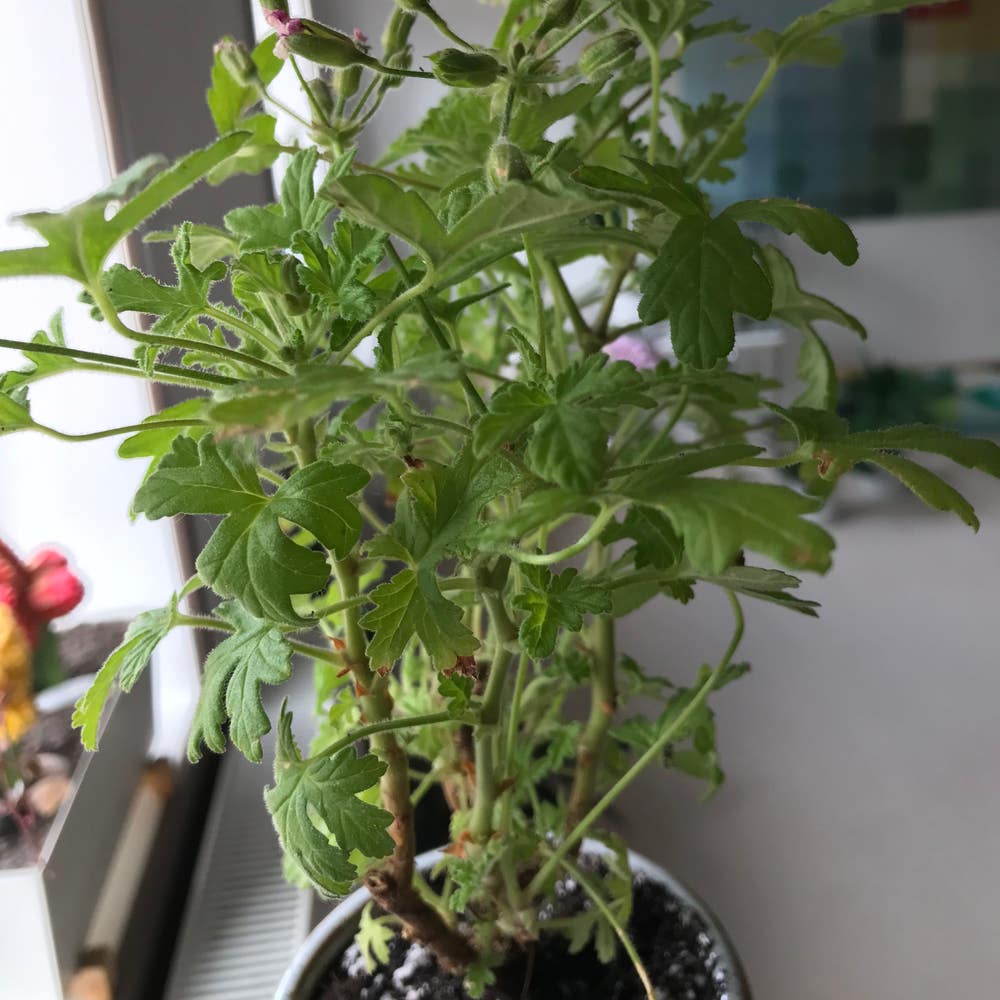
💧 Why Are My Cheeseweed Mallow Leaves Droopy?
Malva parviflora
By the Greg Editorial Team
Feb 14, 2024•5 min read
This article was created with the help of AI so we can cover more plants for you. May contain errors. See one? Report it here.
- Over/underwatering causes droop: Check soil moisture, adjust watering.
- Temperature and light affect droopiness: Maintain consistent climate and indirect light.
- Revival needs patience: Use moisture meters, adjust environment, and acclimate slowly.
Spotting the Signs of Droopy Leaves
Identifying droopy leaves in Cheeseweed Mallow is like becoming a plant detective. You're looking for leaves that sag more than they should, resembling a deflated balloon rather than their usual perky selves.
🕵️♂️ Recognizing Natural Droop
It's normal for Cheeseweed Mallow to have a bit of a slouch during the heat of the day, only to rebound at night. Persistent droopiness, however, is a tell-tale sign that your plant is in distress.
🚩 Problematic Droop
When leaves hang with the lack of enthusiasm of a teenager asked to do chores, it's not their natural state. Leaves that remain limp, despite the cool evening air, are waving a red flag at you.
👀 Visual Cues
Look for leaves that have given up the ghost, hanging down as if they're too tired to hold themselves up. This isn't a case of the plant being dramatic; it's a cry for help.
Beyond the Droop
But droopiness is just the opening act. Keep an eye out for yellow leaves, which might hint at overwatering or a nutrient deficiency. If leaves are shriveled, your plant could be dehydrated, while puffy, mushy leaves suggest they're drowning in excess water.
The Underleaf Check
Don't forget to flip the leaves and inspect underneath. Pests and diseases often start their dirty work out of sight. If you spot any unwelcome guests or suspicious spots, it's time to take action.
The Weight of Water
A quick check of soil moisture can also offer clues. If the soil feels like a wrung-out sponge, it's likely too wet. Conversely, soil that crumbles like dry cake mix indicates that your plant is parched.
Remember, not every droopy leaf is a cause for panic. It's the persistent droop, accompanied by other symptoms, that should spur you into detective mode.
The Thirst Quandary: Water Issues
💦 Overwatering Woes
Overwatering can turn your Cheeseweed Mallow's vivacious leaves into a droopy disappointment. The telltale signs of waterlogged soil and potential root rot include leaves that sag with a lack of vigor, stems that feel unusually soft, and soil that clings to your fingers like a needy sea anemone.
Terracotta pots are your ally here; their porous nature helps to evaporate excess moisture, keeping roots in the sweet spot of dampness. If your pot's drainage holes are as clogged as city traffic, it's time to clear the way to prevent your plant from drowning in its own drink.
🏜️ Underwatering and Plant Thirst
Conversely, underwatering leaves your Cheeseweed Mallow as parched as a marathon runner without a water station. Look for leaves curling inward, soil that's drier than a stand-up comedian's humor, and an overall wilted appearance that screams for hydration.
To strike the perfect balance, water your plant deeply, allowing it to drink at its own pace, and then let it be. Adjust your watering routine with the seasons—more when it's hot and less when it's cool. Aim for soil that's moist but not soggy, like the perfect piece of cake.
When the Environment Strikes: Stress Factors
🌡️ Temperature Tantrums
Temperature fluctuations are the nemesis of Cheeseweed Mallow's leaf posture. Leaves droop as if in protest when the thermometer becomes a roller coaster.
To avoid this, maintain a consistent temperature. Think of your plant's ideal climate as a steady, uneventful Sunday—no surprises, just comfortable predictability.
💡 Light and Shadow Play
Lighting is crucial for Cheeseweed Mallow, and getting it wrong can lead to a dramatic leaf droop. Too much light scorches, too little starves.
Aim for bright, indirect light. It's the sweet spot where leaves bask without the risk of a sunburn or the gloom of the shadows.
Reviving Your Cheeseweed Mallow
💧 Adjusting Your Watering Technique
Fine-tuning your watering routine is crucial for Cheeseweed Mallow revival. Start by allowing the soil to dry slightly between waterings, avoiding both extremes of swampy and parched conditions.
- Use room-temperature water to prevent shocking the plant's roots.
- Water when the top 2 inches of soil feel dry to the touch.
- Ensure good drainage to avoid waterlogged soil, which can lead to root rot.
🌱 Tools and Tricks for Soil Moisture
To keep soil moisture levels in check, consider using a moisture meter for a more scientific approach. Alternatively, the classic finger test—sticking your finger an inch down into the soil—can be surprisingly effective.
- Mix in organic matter like compost to improve soil structure and water retention.
- For overly dense soil, add perlite or sand to enhance drainage.
🌿 Tweaking the Plant's Surroundings
Making environmental changes can help combat droopiness in your Cheeseweed Mallow. Start by assessing the light exposure; too much can stress the plant, while too little can weaken it.
- Relocate your plant to a spot with indirect, bright light.
- Gradually move your plant to avoid shock from sudden changes.
🌞 The Importance of Acclimation
Acclimation is key to preventing future droop. When making changes to your plant's environment, do it slowly. This gives your Cheeseweed Mallow time to adjust without added stress.
- Monitor temperature closely, keeping it between 22–28°C to avoid temperature tantrums.
- Keep an eye out for pests and act promptly with neem oil or insecticidal soap if needed.
Remember, reviving your Cheeseweed Mallow is a marathon, not a sprint. With patience and careful adjustments, your plant should return to its perky self.
⚠️ Safety First
This content is for general information and may contain errors, omissions, or outdated details. It is not medical, veterinary advice, or an endorsement of therapeutic claims.
Always consult a qualified healthcare professional before using any plant as food, medicine, or supplement.
Never eat any plant (or feed one to pets) without confirming its identity with at least two trusted sources.
If you suspect poisoning, call Poison Control (800) 222-1222, the Pet Poison Helpline (800) 213-6680, or your local emergency service immediately.
Spotted an error? Please report it here.
Turn your Cheeseweed Mallow's frown upside down and achieve leafy perfection 🌿 with Greg's personalized care reminders for the right water, light, and warmth.