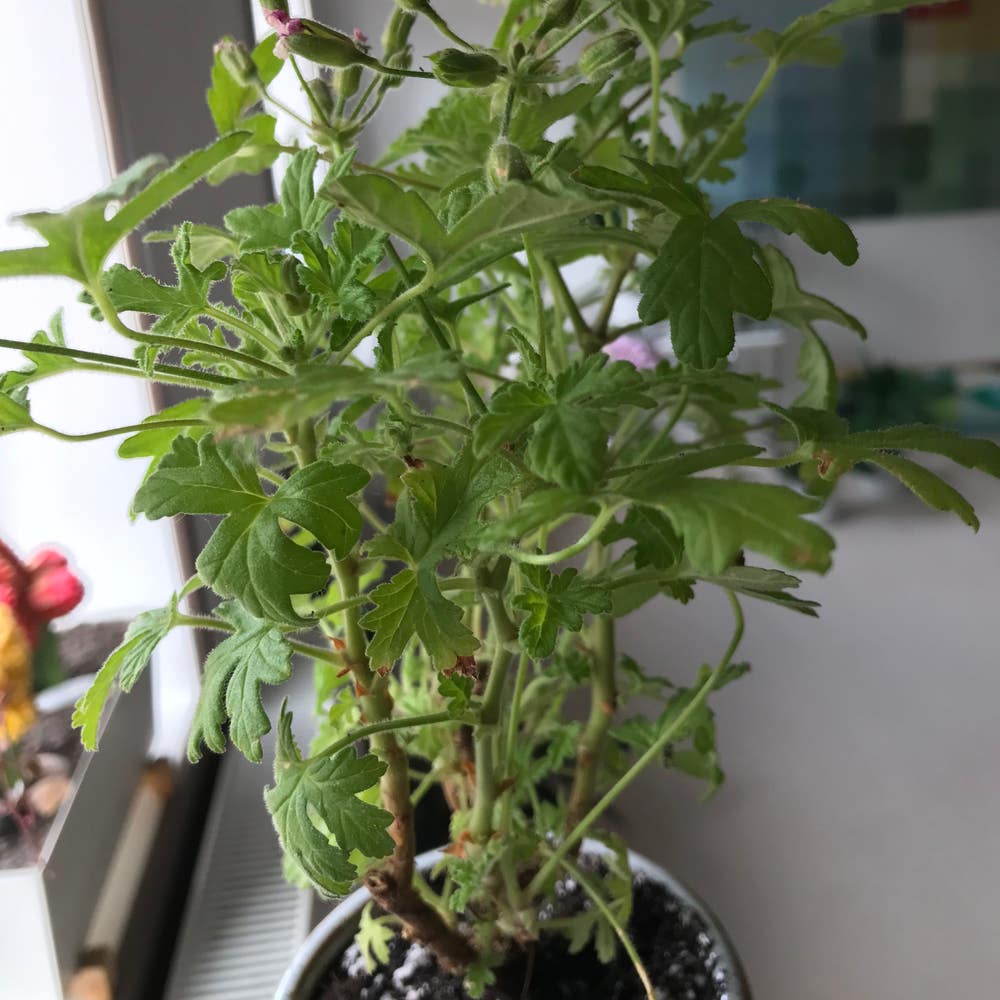
How Much Humidity Does My Cheeseweed Mallow Need?
Malva parviflora
By the Greg Editorial Team
Feb 14, 2024•3 min read
This article was created with the help of AI so we can cover more plants for you. May contain errors. See one? Report it here.
- 🌱 Ideal humidity for Cheeseweed Mallow: 40-60% for healthy growth.
- 🍂 Crispy tips mean dry air; soggy leaves signal excess humidity.
- 💨 Balance humidity with pebble trays, humidifiers, or dehumidifiers as needed.
Dialing in the Right Humidity for Cheeseweed Mallow
💧 What Cheeseweed Mallow Loves
Cheeseweed Mallow, like a picky diner at a restaurant, has specific humidity needs. The ideal range hovers between 40-60% relative humidity. Within this sweet spot, the plant maintains its lush greenery and avoids the drama of mold and mildew.
💨 Relative Humidity and Your Cheeseweed Mallow
Relative humidity is like the plant's mood ring, reflecting its comfort level. It's crucial for the plant's health, influencing everything from leaf texture to pest resistance. A quick tip: avoid direct sunlight when placing a hygrometer, as it can throw off your readings.
Absolute humidity gets a brief nod here—it's the straightforward measure of water vapor in the air. But for Cheeseweed Mallow, relative humidity is the star. It takes into account temperature, which can affect how the plant experiences moisture. Keep an eye on your plant's leaves; they're the first to react to humidity changes.
Making Sense of Your Local Humidity
⛈️ When the Air's Too Dry
Crispy leaf tips on your Cheeseweed Mallow are not a new fashion statement; they're a cry for help. Dryness is the culprit when you see brown edges and a general look of despair on your plant's foliage. Your own discomfort in the air—think chapped lips and static shocks—mirrors your mallow's plight. It's a clear signal: the humidity in your home is more Sahara than spa.
🌊 When It's a Humidity Jungle
Conversely, leaves that feel like they've just taken a swim indicate too much humidity. Watch out for a soggy, defeated posture in your Cheeseweed Mallow's leaves. Mold is the uninvited guest that thrives in these conditions, and it's a sign you need to dial back the moisture. If your plant's environment feels more like a rainforest than a comfortable living room, it's time to rethink your humidity strategy.
Boosting Humidity: Cheeseweed Mallow Edition
💦 Misting: Is It Right for Your Plant?
Misting your Cheeseweed Mallow can be like hitting the refresh button—briefly satisfying but not a long-term solution. Pros: It's a quick and easy way to give your plant a moisture boost. Cons: Overzealous misting can invite fungal parties and leaf discomfort. It's a gamble; mist with the precision of a ninja—sparingly and with purpose.
🌴 Creating a Humidity Haven
Transform your Cheeseweed Mallow's environment into a tropical retreat with a pebble tray. Just place a tray filled with pebbles and water beneath the pot—make sure the pot isn't skinny-dipping in the water. This setup acts as a personal humidifier, gently elevating moisture levels without overdoing it. Alternatively, consider a humidifier for a more controlled humidity boost, especially during those dry winter months. Just remember, it's about creating a cozy moisture cocoon, not a rainforest monsoon.
Bringing Down the Humidity When It's Too Much
💨 Airflow and Your Plant
Ventilation is key to combating high humidity. Crack a window or get a fan oscillating to keep your Cheeseweed Mallow from feeling like it's in a sauna. Remember, airflow should be a gentle caress, not a full-blown gale that could stress your green buddy.
🌵 Dehumidify the Right Way
When your plant's leaves hang like limp handshakes, it's time for a dehumidifier to step in. It's the moisture bouncer your Cheeseweed Mallow needs. Use it judiciously to strike a balance in humidity, ensuring your plant doesn't go from tropical paradise to desert wasteland.
⚠️ Safety First
This content is for general information and may contain errors, omissions, or outdated details. It is not medical, veterinary advice, or an endorsement of therapeutic claims.
Always consult a qualified healthcare professional before using any plant as food, medicine, or supplement.
Never eat any plant (or feed one to pets) without confirming its identity with at least two trusted sources.
If you suspect poisoning, call Poison Control (800) 222-1222, the Pet Poison Helpline (800) 213-6680, or your local emergency service immediately.
Spotted an error? Please report it here.
Keep your Cheeseweed Mallow flourishing 🌿 with Greg's environmental monitoring that nudges you when it's time to adjust humidity for perfect plant health.