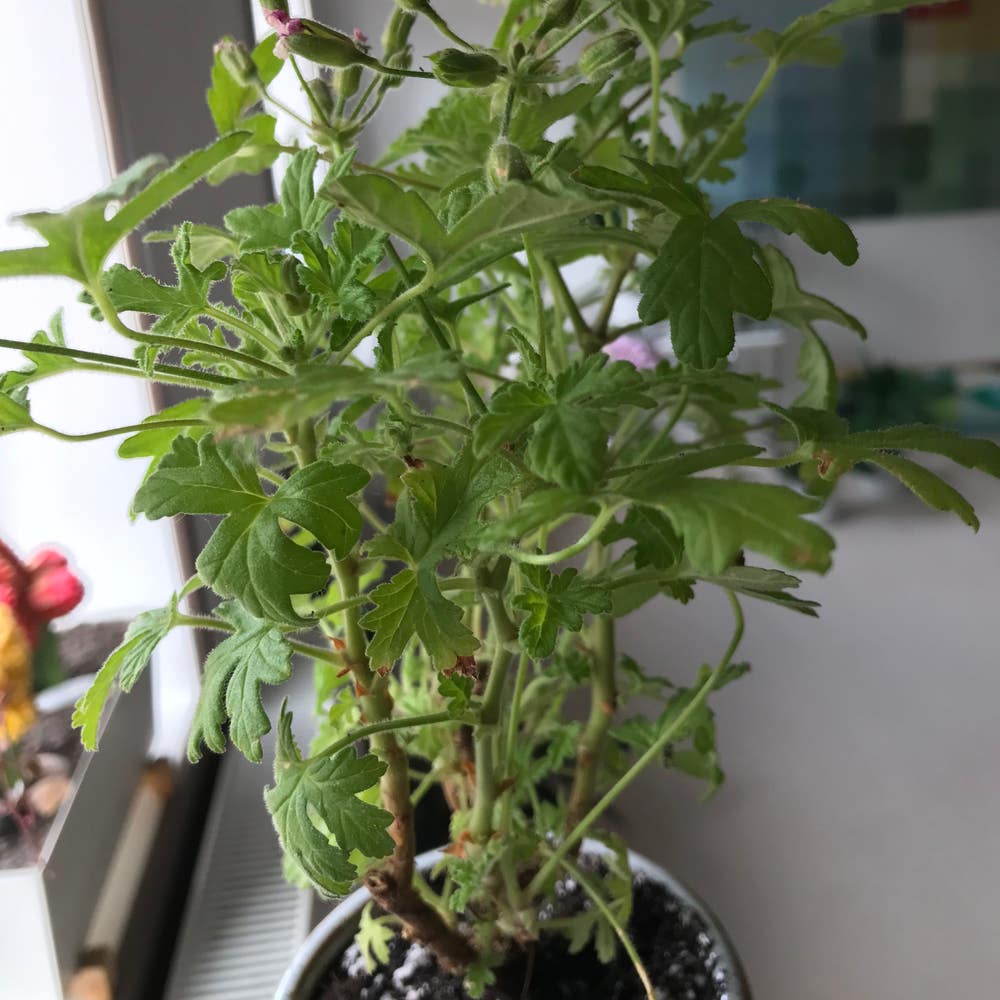
Diagnosing Cheeseweed Mallow Root Rot
Malva parviflora
By the Greg Editorial Team
Feb 14, 2024•4 min read
This article was created with the help of AI so we can cover more plants for you. May contain errors. See one? Report it here.
- Persistent wilting and yellow leaves signal potential root rot.
- Overwatering and poor drainage are key culprits of the condition.
- Improve soil and drainage to treat and prevent root rot.
Spotting the Red Flags: Symptoms of Root Rot in Cheeseweed Mallow
🥀 Wilting Woes: Identifying the tell-tale signs of distress
Cheeseweed mallow's droop is not just a midday slump; persistent wilting is a distress flare. If the plant stays slumped post-sunset, it's time to suspect root rot.
🌼 Color Clues: Yellowing leaves and other visual symptoms
Yellow leaves aren't just a fashion statement; they're a warning. Beyond the hue shift, look for black or brown spots on leaves and stems—these are the equivalent of a plant's cry for help.
🌱 Growth Grief: Recognizing stunted growth as a cry for help
When your cheeseweed mallow's growth seems to hit an invisible ceiling, it's not just being lazy. Stunted growth is a silent alarm that something's amiss underground.
Unearthing the Culprits: Causes of Root Rot
🍄 Fungal Foes: Understanding the Pathogens at Play
Phytophthora and Pythium are the ringleaders in the root rot underworld, thriving in the damp and poorly drained soils that cheeseweed mallow might call home. These fungi are merciless, attacking the roots until they decay. Other villains like Rhizoctonia spp. and Armillaria can also wreak havoc, leading to a plant's demise.
💧 Water Woes: How Overwatering and Poor Drainage Invite Trouble
Overwatering isn't just a minor mishap; it's an open invitation for root rot pathogens to throw a destructive party. Cheeseweed mallow's roots can't swim; they need oxygen to survive. Poor drainage turns the soil into a death trap, where water overstays its welcome and roots begin to rot.
🌱 Soil Saboteurs: The Role of Soil Conditions in Root Rot Development
Compacted soil is a silent assassin, squeezing the life out of air pockets that roots desperately need. It's crucial to keep the soil structure loose and crumbly. Aeration is the lifeline, preventing roots from being smothered. Remember, the right soil mix isn't just about nutrients; it's about giving roots the breathing room they need to fend off fungal attacks.
Turning the Tide: Treating Cheeseweed Mallow Root Rot
🌱 Soil Surgery: Improving Drainage and Soil Structure
Revamp your soil like a pro. Mix in perlite or sand to boost drainage, creating a cozy, breathable bed for your Cheeseweed Mallow's roots. Think of it as giving your plant's home a much-needed renovation.
💧 Water Wisdom: Fine-tuning Your Watering Routine
Ditch the set schedule. Water based on the soil's dryness, not the day of the week. If the top inch is dry, it's time to quench your plant's thirst. Use room temperature water to avoid shocking the delicate roots. Aim for moist, not soggy, soil.
🌿 Root Rescue: Inspecting and Treating the Root System
Snip the bad bits. If you spot dark, mushy roots, it's time for a trim. Use sterilized shears to cut away the rot, like a gardener's version of surgery. Afterward, repot in the revamped soil and adjust your watering habits. Keep a close eye on the recovery; it's a journey, not a sprint.
Fortifying the Fortress: Prevention Strategies
🌬️ Airflow and Space: Ensuring Good Circulation and Plant Spacing
Airflow is crucial for preventing root rot in Cheeseweed Mallow. Like a breath of fresh air in a stuffy room, good circulation keeps the fungal spores from settling down and getting too comfortable. Spacing your plants properly is like setting boundaries; it's healthy for relationships and essential for plant life. It prevents the spread of disease by minimizing contact.
👀 Vigilance and Cleanliness: Keeping an Eye Out and Removing Infected Material
Stay sharp and keep those eyes peeled. Vigilance is your plant's personal bodyguard against root rot. Regularly inspect your Cheeseweed Mallow for signs of distress. If you spot something suspicious, act like a plant surgeon and remove the infected material—stat! Cleanliness in the garden is not just about aesthetics; it's a barrier against disease. Clear out the debris and fallen leaves; it's like taking out the trash before it stinks up the place.
🎬 Smart Selection: Choosing Healthier Plants and Considering Resistant Varieties
When picking your Cheeseweed Mallow, think of it as casting for the lead role in a blockbuster—choose the best. Healthier plants have a fighting chance against root rot; they're the superheroes of the plant world. And if you're feeling particularly strategic, opt for resistant varieties. It's like choosing a knight in shining armor over a court jester when heading into battle.
⚠️ Safety First
This content is for general information and may contain errors, omissions, or outdated details. It is not medical, veterinary advice, or an endorsement of therapeutic claims.
Always consult a qualified healthcare professional before using any plant as food, medicine, or supplement.
Never eat any plant (or feed one to pets) without confirming its identity with at least two trusted sources.
If you suspect poisoning, call Poison Control (800) 222-1222, the Pet Poison Helpline (800) 213-6680, or your local emergency service immediately.
Spotted an error? Please report it here.
Prevent cheeseweed mallow root rot and ensure healthy growth 🛡️ with Greg's custom watering plans that tackle overwatering and poor drainage before they can cause harm.