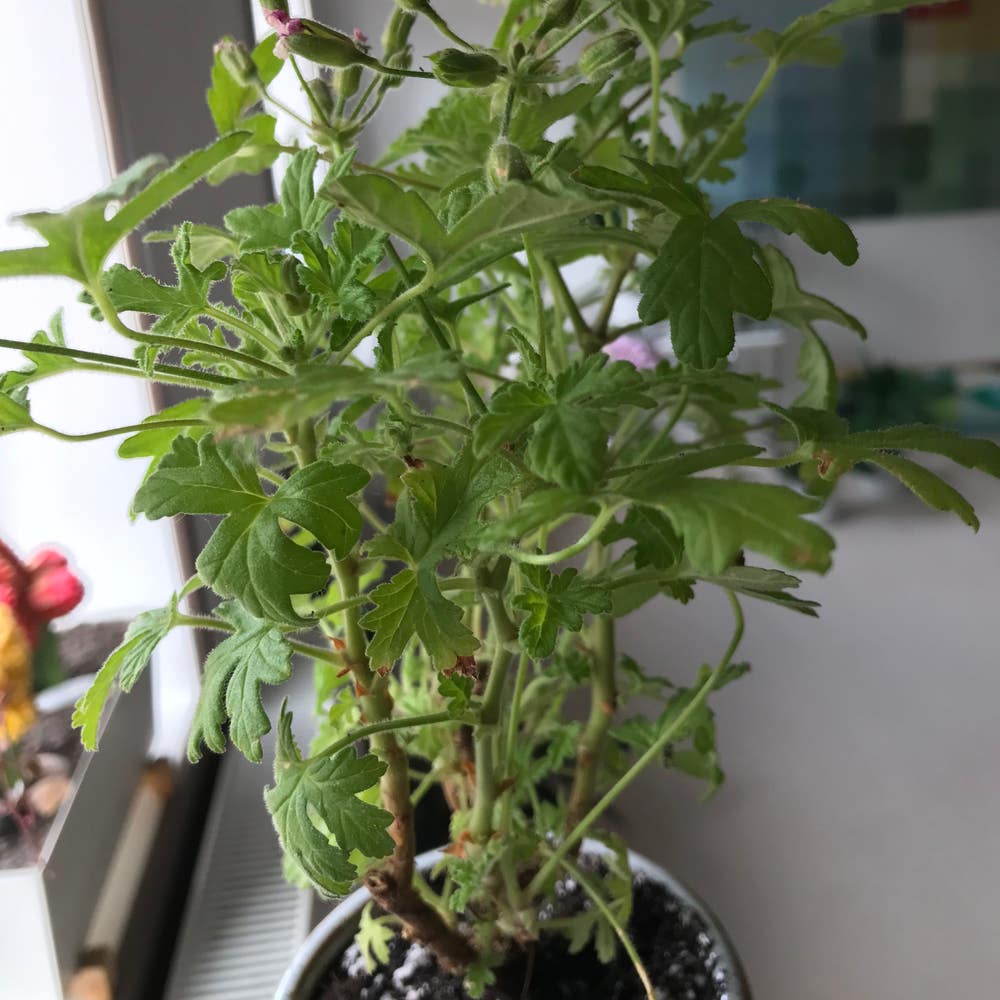
Why Is My Cheeseweed Mallow Dropping Leaves?
Malva parviflora
By the Greg Editorial Team
Feb 14, 2024•4 min read
This article was created with the help of AI so we can cover more plants for you. May contain errors. See one? Report it here.
- Discoloration and wilting signal Cheeseweed Mallow distress.
- Balance water and nutrients to prevent leaf drop.
- Stable climate and routine care keep your plant healthy.
Spotting the Signs: When Your Cheeseweed Mallow Is Unhappy
🚨 Visual Symptoms of Distress
Cheeseweed Mallow, like any plant, has a non-verbal language of distress. Discoloration, wilting, and premature leaf fall are the plant's equivalent of an SOS. If leaves are more yellow than a school bus or wilting like a deflated balloon, it's time to perk up and pay attention.
🌱 Root Health Check-Up
Root health is paramount. Gently unearth a bit of soil and examine the roots. They should be as firm and white as a fresh stick of mozzarella. If they're looking more like overcooked noodles, soft and brown, you've got a problem. Remember, healthy roots are the foundation of plant vitality, so don't overlook this underground world.
The Usual Suspects: Common Causes of Leaf Dropping
💧 Water Woes
Navigating the hydration tightrope is crucial for your Cheeseweed Mallow. Overwatering can drown its roots, leading to a soggy demise. Conversely, underwatering leaves your plant parched and desperate. The key is to maintain soil moisture that's just right—think of the last slice of cake, slightly moist but not wet.
🌡️ Climate Culprits
Your plant doesn't appreciate weather drama. Extreme temperatures and erratic humidity levels can cause leaves to drop faster than a hot potato. Aim for a stable environment where your Cheeseweed Mallow isn't left shivering or sweating. Remember, consistency is king.
🍽️ Nutrient Know-How
Yellowing leaves? They might be screaming for nitrogen. Brown tips could be whispering for potassium. Your plant's diet matters, and nutrient deficiencies are silent killers. Ensure your soil is a buffet of essential nutrients, not a barren wasteland. Balanced feeding will keep your plant's leaves firmly in place.
Turning Things Around: Remedial Actions
💧 Fine-Tuning Watering Habits
Consistency is key when watering your Cheeseweed Mallow. Establish a routine that allows the soil to dry out slightly between waterings. If leaves droop, assess the soil moisture: soggy means ease up, dry means it's time to water.
🌡️ Creating a Cozy Climate
Your plant craves stability—like your favorite comfy sweater, not a tropical getaway or arctic expedition. Protect it from extreme temperatures using shade cloths or relocating it to a safer spot. A gentle breeze, perhaps from a fan, can prevent stale air.
🌱 Feeding Your Plant
Conduct a soil test to check for nutrient deficiencies. Amend the soil based on test results, using a balanced fertilizer or organic options like compost. Remember, moderation is crucial—think of it as a dietary supplement, not an all-you-can-eat buffet.
Keeping It Green: Preventative Strategies
🌱 Consistent Care
Establishing a routine is key to your Cheeseweed Mallow's success. Like clockwork, consistent watering, sunlight exposure, and feeding will keep your plant in top shape.
🕵️ Monitoring and Maintenance
Regular check-ups are your plant's lifeline. Adjust your care based on the plant's feedback, and you'll prevent most issues before they escalate.
🍂 Seasonal Adjustments
As seasons change, so do your plant's needs. Dial back on watering in cooler months and tweak the sunlight exposure as days grow shorter or longer.
🐜 Pest Patrol
Stay on top of pest control. Regularly inspect leaves for unwelcome guests and intervene with organic methods when necessary.
🌍 Environmental Harmony
Create a stable environment to avoid stressing your plant. Sudden changes in temperature or humidity can be as jarring as a cold shower on a winter morning.
✂️ Pruning Practices
Prune wisely. It's not just about aesthetics; it's about health. Remove dead or yellowing leaves to keep your plant robust.
🧼 Clean Living
Keep it clean. Dusty leaves can hinder photosynthesis, so give them a gentle wipe-down now and then.
👁️ The Watchful Eye
Keep an eye out for subtle changes. Your plant's demeanor will tell you more about its well-being than it can put into words.
📔 The Logbook
Document your care. A log can be as revealing as a diary, helping you track what works and what doesn't for your Cheeseweed Mallow.
⚠️ Safety First
This content is for general information and may contain errors, omissions, or outdated details. It is not medical, veterinary advice, or an endorsement of therapeutic claims.
Always consult a qualified healthcare professional before using any plant as food, medicine, or supplement.
Never eat any plant (or feed one to pets) without confirming its identity with at least two trusted sources.
If you suspect poisoning, call Poison Control (800) 222-1222, the Pet Poison Helpline (800) 213-6680, or your local emergency service immediately.
Spotted an error? Please report it here.
Combat your Cheeseweed Mallow's leaf drop by monitoring 🌡 its needs with Greg's custom watering schedule and real-time community support.