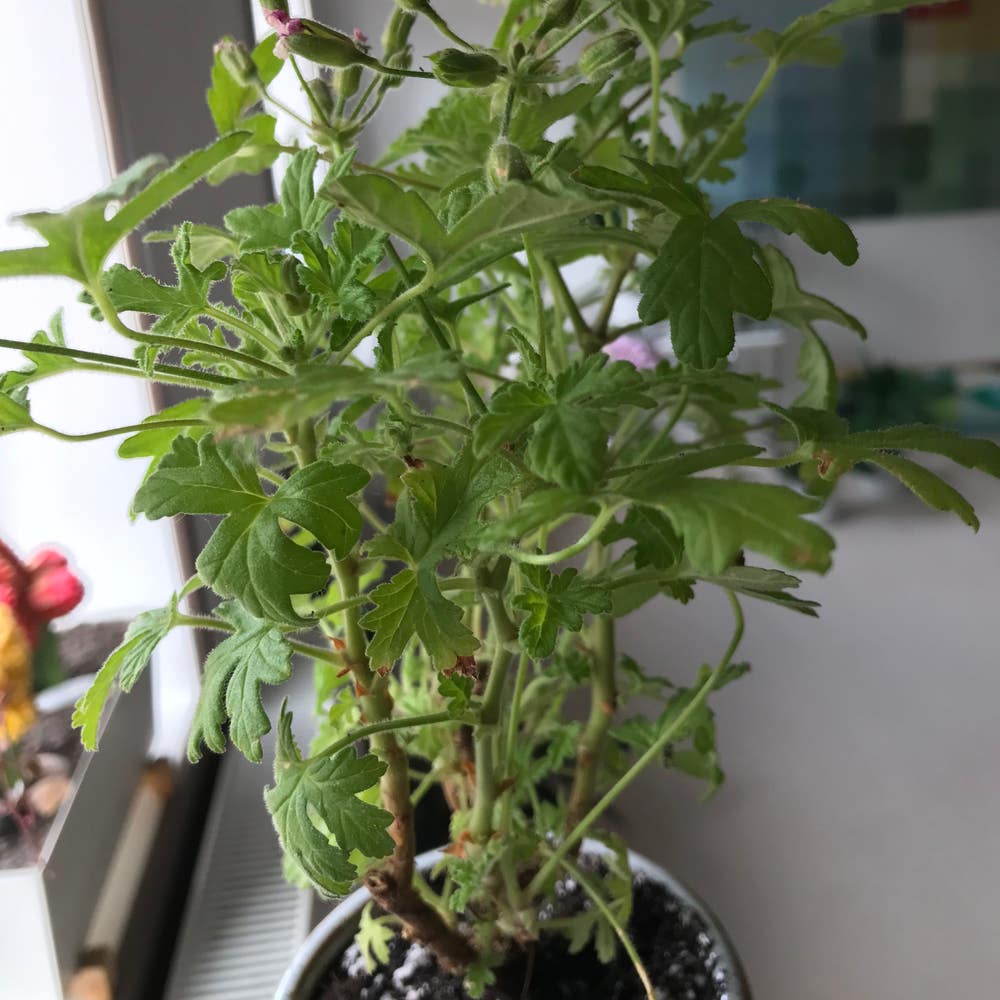
Why Are My Cheeseweed Mallow Leaves Falling Over?
Malva parviflora
By the Greg Editorial Team
Feb 14, 2024•4 min read
This article was created with the help of AI so we can cover more plants for you. May contain errors. See one? Report it here.
- 🌬️ Stake plants to protect from strong winds and weather.
- 💧 Adjust watering; use moisture meter for perfect balance.
- 🌿 Inspect and treat for pests and diseases regularly.
When the Wind Blows Too Hard
🛡️ Shielding from Harsh Elements
Extreme weather can be a real party pooper for your Cheeseweed Mallow. Protect your greens by providing some shade during the scorching afternoon sun. Remember, summer sun is like that overzealous friend who doesn't know when to quit—intense and long-lasting. If the mercury climbs above 90℉, consider moving container plants indoors. It's not coddling; it's being proactive.
🌱 Stabilizing Stems and Leaves
Your Cheeseweed Mallow's stems might need a buddy system when the wind gets pushy. Staking is the way to go. Drive a stake into the soil near the stem and gently tie it up. It's like giving your plant a high-five and saying, "I got you." And if you're dealing with drafts, remember they're the ninjas of the plant world—silent but deadly. Block them out, and your Cheeseweed Mallow won't throw in the towel.
Water Woes: Too Much or Too Little?
💧 Spotting the Signs of Water Stress
Yellow leaves might scream "I'm thirsty!" or "I'm drowning!"—context is key. If they're also swollen, it's a classic case of overindulgence in water. Soggy soil is another telltale sign; it should feel like a well-wrung sponge, not a soaked one.
Underwatering has its own SOS signals. Droopy leaves are the plant's way of saying, "Water me, please!" A soil check is in order—if it's pulling away from the pot's edge, it's time for a drink. Crispy leaf edges? That's the plant equivalent of chapped lips.
Fine-Tuning Your Watering Technique
Watering is an art—consistent but not monotonous. The top inch of soil is your cue; dry means go, damp means stop. Pots with drainage holes are non-negotiable—they prevent accidental indoor swamps.
Adjust with the seasons—plants are thirstier during heat waves and more abstinent when it's cooler. If you're unsure, a moisture meter is like a plant's hydration therapist, guiding you to the watering sweet spot.
Getting to the Root of Soil Issues
Improving Drainage and Aeration
🌱 Compacted soil
Compacted soil is your Cheeseweed Mallow's silent enemy, stifling root growth and water flow. To combat this, gently aerate the soil with a fork, making it as fluffy as a well-loved pillow.
Incorporate materials like perlite or peat moss to keep the soil structure light and breathable. This isn't just busywork; it's critical for preventing a waterlogged disaster.
Regularly inspect those drainage holes—clogged ones are as useful as a screen door on a submarine. Keep them clear to ensure your plant's roots aren't swimming instead of thriving.
Upgrading Your Soil Game
🌿 Choosing the right soil amendments
Choosing the right soil amendments is like picking the perfect mattress for a good night's sleep. Add organic matter such as compost to enrich the soil, which is like a gourmet meal for your Cheeseweed Mallow's roots.
Consider a well-draining soil mix that's as airy as a cloud. This isn't just for looks; it's essential for root health and vigor.
Mulch isn't just a fancy dress for your garden bed; it's a moisture maestro, helping to regulate soil temperature and hydration levels like a thermostat.
Remember, soil care is not a one-and-done deal. It's an ongoing relationship, so keep flirting with those amendments and aeration techniques to keep the love alive.
Feeding Frenzy: Nutrients Needed
🕵️♂️ Detecting Deficiencies
Yellowing leaves on your Cheeseweed Mallow? Nitrogen might be the missing piece. Pale green or whitish foliage could scream iron deficiency. Don't ignore the mottled leaves or necrosis—they're crying out for micronutrients like magnesium or molybdenum. It's a visual SOS: your plant's diet is off-kilter.
💪 Fertilizing for Strength
Fertilize with precision. Overdoing it is like dumping a bucket of protein powder into a smoothie—too much of a good thing. Stick to a balanced fertilizer and follow the label like it's a sacred text. Timing is everything; early morning or evening is prime time to give your plants their nutrient fix. Watch for the bounce-back—lush, perky leaves are your high-five for a job well done.
Bug Off! Battling Pests and Diseases
🕵️♂️ Scouting for Sneaky Invaders
Pests and diseases can turn your Cheeseweed Mallow from a garden favorite to a gardener's nightmare. Stay vigilant by regularly inspecting the plant, especially under leaves and along stems. Look for aphids, caterpillars, and the tell-tale signs of disease like unusual spots or rot.
🛠️ Implementing Effective Treatments
Once you've spotted the troublemakers, it's time for action. Blast aphids with water or wipe them with soapy water. Introduce natural predators like ladybugs to handle persistent pests. For diseases, remove affected areas and apply fungicides if necessary. Always follow label instructions to the letter when using any treatment.
⚠️ Safety First
This content is for general information and may contain errors, omissions, or outdated details. It is not medical, veterinary advice, or an endorsement of therapeutic claims.
Always consult a qualified healthcare professional before using any plant as food, medicine, or supplement.
Never eat any plant (or feed one to pets) without confirming its identity with at least two trusted sources.
If you suspect poisoning, call Poison Control (800) 222-1222, the Pet Poison Helpline (800) 213-6680, or your local emergency service immediately.
Spotted an error? Please report it here.
Combat your Cheeseweed Mallow's droopy dilemma with Greg's personalized watering schedules 💧 and pest patrol tips, ensuring your green friend thrives in any season.