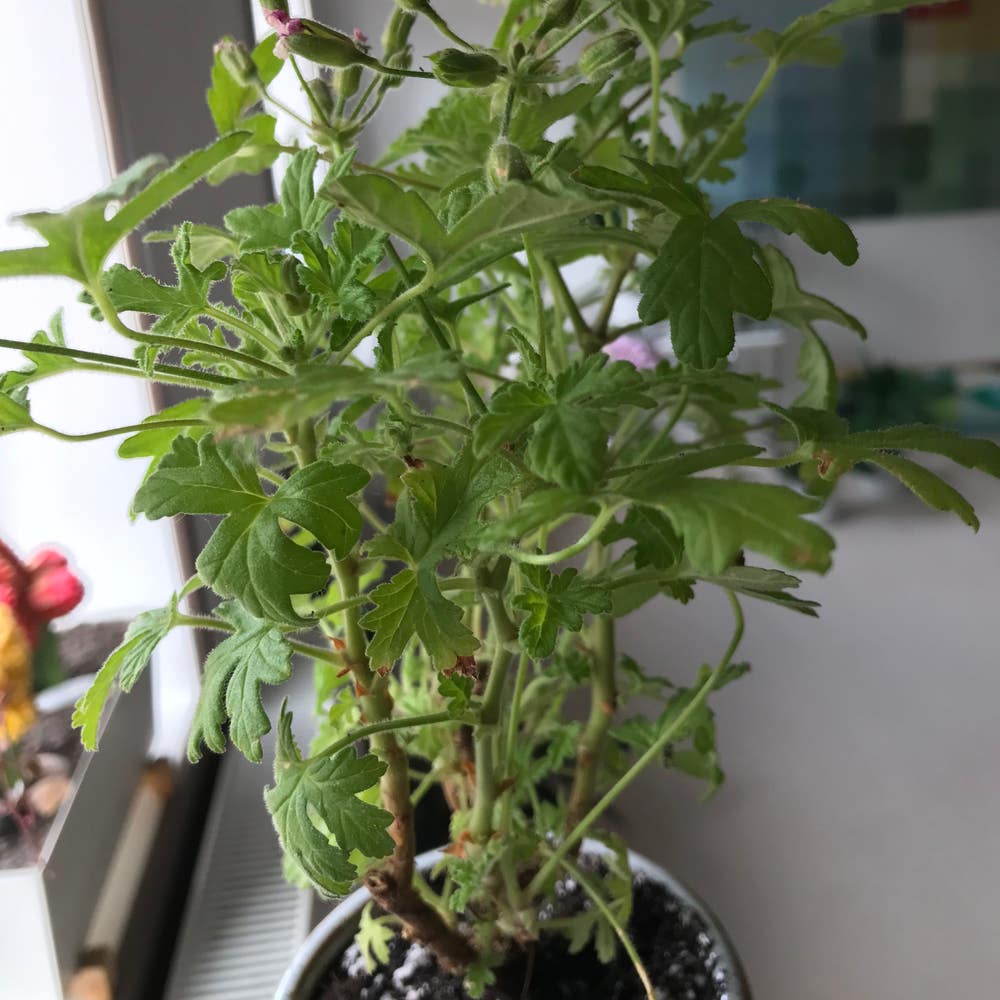
Black Spots on My Cheeseweed Mallow Leaves
Malva parviflora
By the Greg Editorial Team
Feb 14, 2024•4 min read
This article was created with the help of AI so we can cover more plants for you. May contain errors. See one? Report it here.
- Fungi and bacteria are the main causes of black spots on leaves.
- Prevent with care: Adjust water, light, and air; prune and clean regularly.
- Treat wisely: Use organic methods first, chemicals as a last resort.
Spotting the Culprit: Identifying Black Spots
🕵️ What Do Black Spots Look Like?
Black spots on Cheeseweed Mallow leaves are warning signs. They manifest as dark, sometimes circular lesions, varying in size. Borders may be distinct or blend into the leaf tissue, indicating the urgency of the situation.
📋 The Diagnosis Checklist
- Uniformity: Are the spots scattered or clustered? This could hint at the spread and severity.
- Halo Effect: Look for yellowish rings around the spots, a classic sign of fungal involvement.
- Texture: Feel the spots. Raised or sunken textures suggest different issues.
- Color: Black to brown hues, with or without halos, help pinpoint the problem.
- Location: Check both sides of the leaves; the undersides are often the initial targets.
- Sticky Residue: Presence of a sticky film may indicate pests leading to sooty mold.
- Leaf Age: Are younger or older leaves affected? This can guide your treatment approach.
- Progression: Monitor if the spots grow or multiply, signaling the infection's pace.
Regular inspections are non-negotiable. Flip leaves like flipping pancakes, and keep an eye out for new growth being targeted—it's a plant's distress signal. If you're stumped, don't hesitate to consult a plant pathologist. They're the CSI of the plant world.
Unearthing the Causes: Why Black Spots Appear
🍄 Fungal Foes
Fungi are the main mischief-makers when it comes to black spots on Cheeseweed Mallow leaves. Warmth and moisture are their playgrounds, and they're not picky about where they crash. Septoria leaf spot and powdery mildew are the usual suspects. They barge in through any opening they can find, leaving behind a mess of spots and sometimes a bull's-eye pattern that's hard to miss.
🦠 Bacterial Bullies
Bacteria, though less common, are no less destructive. They're the sneaky types that slip in unnoticed, causing lesions that look like the aftermath of a downpour. These spots can be the result of stress, such as a weakened plant defense, or the result of a dirty tool passing on the bacteria like a cold. Keep an eye out for water-soaked spots or those with a colorful halo – they're the signature of bacterial blight.
Nipping It in the Bud: Preventing Black Spots
🌱 Cultural Practices to Keep Spots at Bay
Adjusting your care routine is crucial for preventing black spots on Cheeseweed Mallow. Watering should mimic a gentle rain, avoiding moisture on the leaves. Ensure your plant gets the right amount of light and promote good air circulation to discourage fungal growth.
Prune any black-spotted leaves promptly with sterilized tools to prevent disease spread. Crop rotation and plant spacing can also be effective, creating an unfriendly environment for pathogens.
🧼 Cleanliness is Key
Maintaining plant hygiene is non-negotiable. Keep the growing area free of debris and fallen leaves. Sanitation is a preemptive strike against black spots.
Regular inspections are like routine health check-ups for your plant. Catching black spots early can save your Cheeseweed Mallow from a full-blown outbreak. Remember, a clean plant is a happy plant.
The Battle Plan: Treating Black Spots Effectively
🌱 Going Organic
Organic treatments should be your first move in the fight against black spots. Neem oil is a natural fungicide and a gardeners' go-to. A homemade mix of baking soda, water, and a drop of soap can alter the pH balance on leaves, creating an unfriendly environment for fungi. Mined sulfur and insecticidal soap are also in your eco-friendly toolkit. Remember, these are gentle warriors; they take time and patience to show results.
💣 When to Bring Out the Big Guns
Sometimes, the organic approach just isn't enough. That's when you reach for chemical treatments. But hold your horses—these are potent and should be used as a last resort. Consider fungicides containing chlorothalonil or mancozeb for their effectiveness. Apply with care; think sniper, not shotgun. Always wear gloves, and follow the label like it's your garden's constitution. Rotate your fungicides to prevent resistance, just as you might switch up your workout routine to keep it effective. If in doubt, consult a local expert—safety first.
⚠️ Safety First
This content is for general information and may contain errors, omissions, or outdated details. It is not medical, veterinary advice, or an endorsement of therapeutic claims.
Always consult a qualified healthcare professional before using any plant as food, medicine, or supplement.
Never eat any plant (or feed one to pets) without confirming its identity with at least two trusted sources.
If you suspect poisoning, call Poison Control (800) 222-1222, the Pet Poison Helpline (800) 213-6680, or your local emergency service immediately.
Spotted an error? Please report it here.
Banish those pesky black spots and keep your Cheeseweed Mallow spotless 🍃 with Greg's tailored care advice and vigilant plant health monitoring.