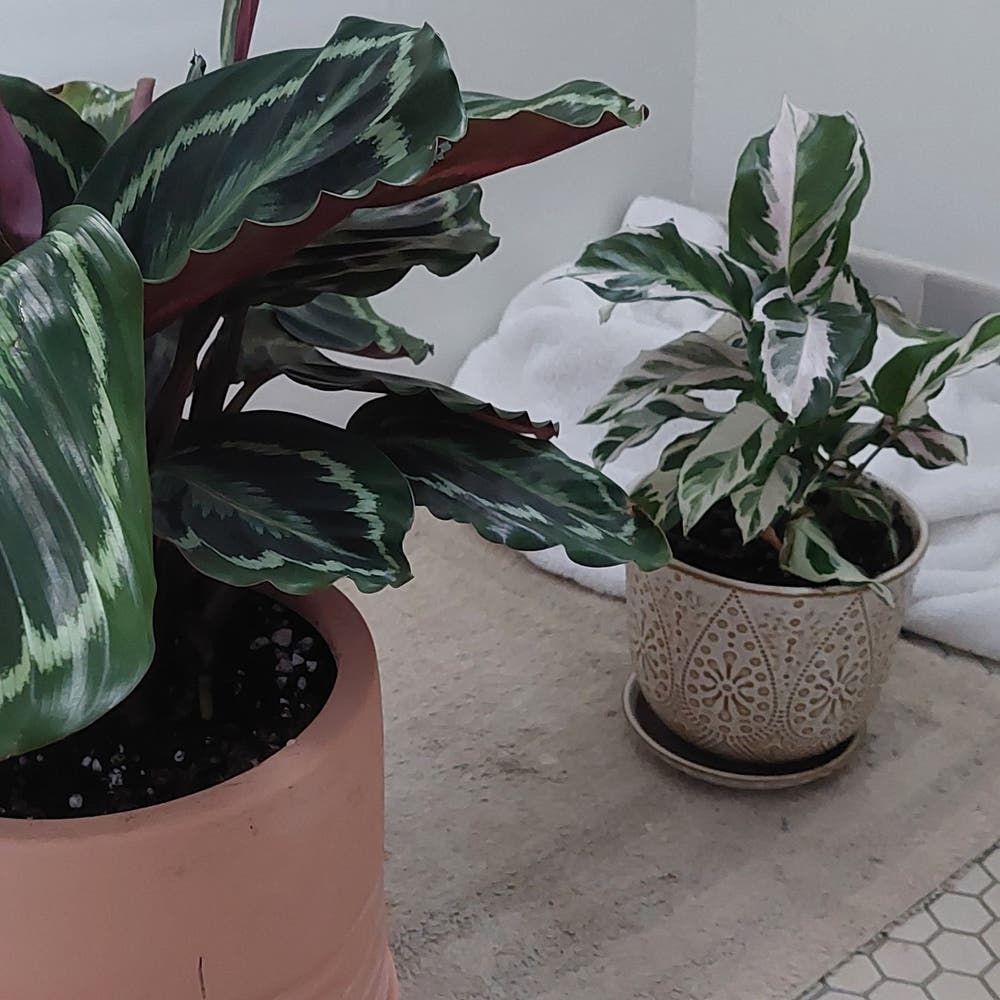
Best Potting Soil Mix for Calathea 'Medallion'
Goeppertia roseopicta 'Medallion'
By the Greg Editorial Team
Jun 18, 2024•4 min read
This article was created with the help of AI so we can cover more plants for you. May contain errors. See one? Report it here.
Discover the secret to lush Calathea 'Medallion' growth with this tailored soil mix recipe! 🌿✨
- Mold signals soil distress, fix by adjusting watering to avoid waterlogging.
- Peat, perlite, and pine bark create the ideal potting mix for Calathea 'Medallion'.
- Repot with care when roots show or the plant is root-bound for optimal health.
Spotting Trouble: Unhealthy Soil Signs and Fixes
🚨 Recognizing the SOS from Your Soil
Mold in your Calathea 'Medallion' soil is like an uninvited guest—it's a clear sign of distress. Musty odors and a wet-sponge texture are your plant's way of crying out. Yellowing leaves? That's your plant waving a white flag.
🔄 Turning the Soil Ship Around
Act fast to fix moldy soil—remove the top layer and let the soil dry. Adjust watering habits; overzealous love can drown your Calathea. Ensure the pot allows for quick drainage and consider a fungicide if you're losing the battle against mold.
Adjust your watering routine to avoid waterlogged conditions. Your Calathea's roots need to breathe, not swim.

Crafting the Perfect Potting Mix
🌱 The Ideal Soil Structure for Calathea 'Medallion'
Calathea 'Medallion' thrives in a peat-based potting mix that strikes a balance between moisture retention and aeration. Peat moss acts like a sponge, holding onto water just enough to keep the roots hydrated without causing waterlogging. Perlite is the unsung hero here, ensuring the soil stays loose and breathable, while pine bark adds structure and improves drainage, preventing the dreaded root rot.
The pH level is another player in this game; a slightly acidic environment of about 5.5 to 6.5 is where Calathea 'Medallion' puts down its roots, quite literally. This pH range helps the plant absorb nutrients more effectively, keeping it from throwing a pH-itty party.
🌿 Mixing It Up: DIY Soil Recipes
Roll up your sleeves—it's time to mix. Start with two parts peat moss for that moisture magic. Toss in one part perlite to keep things airy. If you've got orchid bark or pine bark, add a scoop for that extra drainage oomph. Mix like you mean it; uniformity is your friend.
Before you plant, do the wrung-out sponge test. The mix should feel moist but not dripping. If it's too dry, you've skimped on the peat; too wet, and you're in murky waters—add more perlite or bark to adjust. Remember, crafting this mix isn't just about getting your hands dirty; it's about giving your Calathea 'Medallion' the plush, breathable, and slightly tangy home it deserves.

The Store-Bought Shortcut: Picking a Premade Mix
🏷️ What to Look for on the Label
When you're in the market for commercial soil, the label is your treasure map. Look for a mix that boasts peat-based components—these are like a cozy blanket for your Calathea 'Medallion', holding moisture just right. Nitrogen, phosphorus, and potassium should be present; they're the VIP nutrients for plant growth. If the bag is silent on pH, give it a pass. You want a mix that's neutral to slightly acidic to match your Calathea's taste.
🛠️ Customizing Commercial Mixes
Sometimes, a store-bought mix needs a personal touch. Think of it as tailoring a suit—you want the perfect fit for your plant. If the mix is too dense, lighten it up with perlite for better aeration. Too dry? Sphagnum peat moss can up the moisture ante. And if it's nutritionally lackluster, a sprinkle of compost or worm castings can be the equivalent of a plant protein shake. Remember, your Calathea isn't just any plant—it's a diva that demands the best.

When to Repot: Timing and Techniques
🌱 Knowing When It's Time for a Change
- Roots peeking out of drainage holes? It's not a shy hello; it's a cry for more space.
- A root merry-go-round at the bottom of the pot means your Calathea 'Medallion' is root-bound.
- Stunted growth isn't a plant playing hard to get; it's begging for a new home.
- Yellow leaves can scream nutrient deficiency or root rot, while drooping leaves signal a world-weary plant.
🌷 Repotting Like a Pro
- Spring into action during the growing season; your plant will thank you for the gentle transition.
- Up-size the pot by about 20% and ensure it's got killer drainage.
- Speed is your friend. Have your tools and soil mix at the ready to reduce plant stress.
- Gentle does it. Tease the roots and introduce them to their new, nutrient-rich abode.
- Post-repotting, avoid the urge to overwater. It's a spa day, not a swim meet.
- Patience is key. Hold off on fertilizing and keep the lighting consistent to avoid a plant panic attack.
⚠️ Safety First
This content is for general information and may contain errors, omissions, or outdated details. It is not medical, veterinary advice, or an endorsement of therapeutic claims.
Always consult a qualified healthcare professional before using any plant as food, medicine, or supplement.
Never eat any plant (or feed one to pets) without confirming its identity with at least two trusted sources.
If you suspect poisoning, call Poison Control (800) 222-1222, the Pet Poison Helpline (800) 213-6680, or your local emergency service immediately.
Spotted an error? Please report it here.
Craft the ideal peat-based mix for your Calathea 'Medallion' and let Greg's custom reminders keep your repotting and watering perfectly timed 🌿.