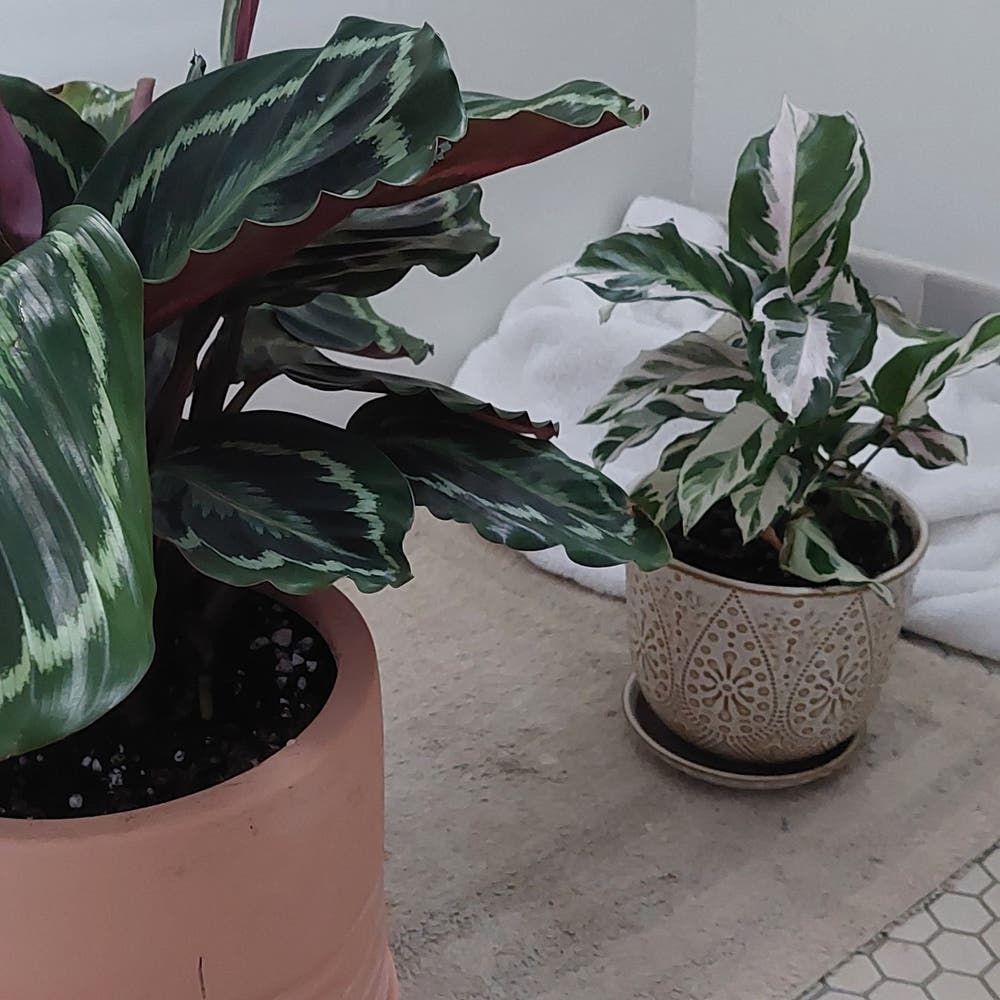
How Do I Fix Calathea 'Medallion' Root Rot?
Goeppertia roseopicta 'Medallion'
By the Greg Editorial Team
Jun 18, 2024•3 min read
This article was created with the help of AI so we can cover more plants for you. May contain errors. See one? Report it here.
Rescue your wilting Calathea 'Medallion' 🌿 from root rot with this essential recovery guide!
- Yellow leaves and foul odors signal root rot in Calathea 'Medallion'.
- Trim rotten roots and repot for plant recovery.
- Prevent root rot with well-draining soil and good air circulation.
Spotting the Red Flags: Symptoms of Root Rot
🚩 Visual Clues: Yellowing Leaves and Wilting
When your Calathea 'Medallion' starts looking like it's lost its will to live, take note. Yellow leaves and a droopy demeanor are the plant's version of waving a white flag. Don't just chalk it up to a bad day; these symptoms suggest a cry for help from the roots.
👃 The Sniff Test: Detecting Foul Odors
Trust your nose: if a whiff of your plant's soil transports you to a boggy marsh, that's a clear distress signal. A healthy plant doesn't smell like it's fermenting. Foul odors are the unseen red flags of root rot, so get sniffing.
🔍 Root Inspection: Discoloration and Mushiness
It's autopsy time. Gently remove your plant and shake off the excess soil for a closer look. If the roots are as brown and squishy as overripe fruit, it's code red for root rot. Healthy roots should be firm and white, not resemble something from a zombie flick.

Emergency Room: Treating Root Rot Step by Step
🌱 Removing the Plant and Affected Soil
First things first, evict your Calathea 'Medallion' from its soggy abode. Gently coax it out, ensuring minimal root disturbance. Discard the contaminated soil like last week's leftovers—no mercy for root rot's breeding ground.
🪒 Surgical Precision: Trimming the Rotten Roots
Now, channel your inner surgeon. Sterilize those shears and snip away the mushy, blackened roots. Preserve only the firm, white roots—these are the good guys. Remember, it's a delicate operation; excessive root removal can be just as lethal as the rot itself.
🌱 Fresh Start: Repotting in Healthy Soil
Time for a clean slate. Choose a pot with drainage holes that could rival Swiss cheese. Fill it with fresh, well-draining soil—think of it as a comfy new bed for your recovering plant. Nestle your Calathea in gently, and give it the support it needs to stand tall.
💧 Recovery Care: Watering and Environment Adjustments
Finally, water with the precision of a desert survivor rationing their last canteen. Wait until the topsoil is dry before giving it a drink. Keep the environment humid but not wet, and place your patient in indirect light—no tanning beds for this one. Your Calathea's comeback tour starts now.

Keeping Root Rot at Bay: Prevention Tips
💧 Watering Wisdom: Finding the Balance
Watering your Calathea 'Medallion' is like a trust exercise; too much and you drown the roots, too little and you're neglecting its needs. Strike a balance—allow the top inch of soil to dry out before giving it a thorough drink. Remember, it's a sip, not a gulp.
🌱 The Right Mix: Choosing Well-Draining Soil
The soil you choose is like the foundation of a house—it needs to be solid yet flexible. For Calathea 'Medallion', a well-draining potting mix is key. Add perlite or sand to keep it airy, and avoid garden soil like it's the wrong crowd.
💨 Breathable Space: Ensuring Good Air Circulation
Air circulation is the unsung hero in the fight against root rot. Think of it as your plant's personal space—no crowding allowed. Keep leaves trimmed and give your plant room to breathe to prevent moisture from becoming a root-rotting party crasher.

⚠️ Safety First
This content is for general information and may contain errors, omissions, or outdated details. It is not medical, veterinary advice, or an endorsement of therapeutic claims.
Always consult a qualified healthcare professional before using any plant as food, medicine, or supplement.
Never eat any plant (or feed one to pets) without confirming its identity with at least two trusted sources.
If you suspect poisoning, call Poison Control (800) 222-1222, the Pet Poison Helpline (800) 213-6680, or your local emergency service immediately.
Spotted an error? Please report it here.
Revive your Calathea 'Medallion' from root rot to radiant health 🌱 with Greg's custom watering plan and expert soil tips to prevent future woes.