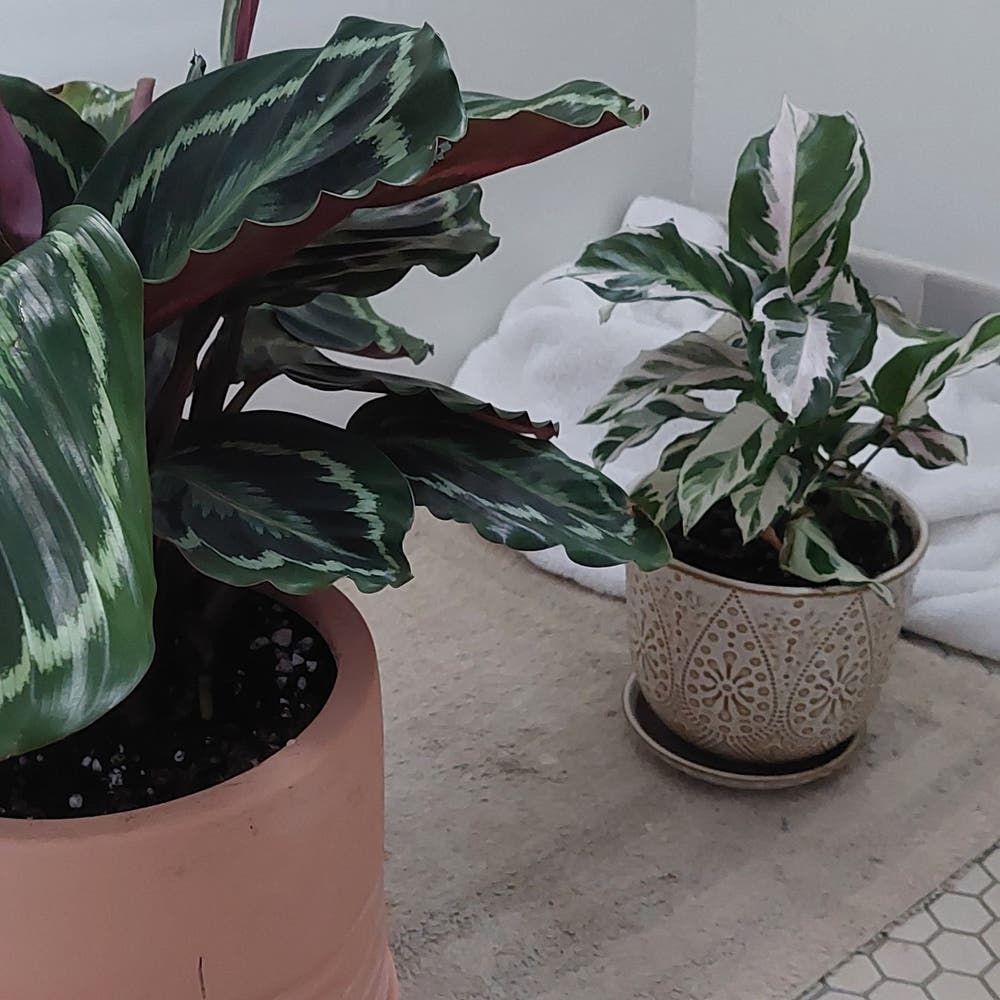
Why Are My Calathea 'Medallion' Leaves Falling Over?
Goeppertia roseopicta 'Medallion'
By the Greg Editorial Team
Jun 18, 2024•4 min read
This article was created with the help of AI so we can cover more plants for you. May contain errors. See one? Report it here.
Stop your Calathea 'Medallion' from wilting 🍂 and learn to keep it lush and upright with our expert care tips! 🌿
- Droopy leaves signal distress, check for over/underwatering, low humidity, or incorrect lighting.
- Prevent leaf issues by balancing soil moisture and providing high humidity.
- Bright, indirect light is key; avoid direct sun to prevent leaf burn.
Spotting the Signs: When Your Calathea 'Medallion' Is Unhappy
🚩 Telltale Symptoms of Stress
Your Calathea 'Medallion' is more than decor; it's a living barometer of its own health. Droopy leaves are the plant's white flag, signaling surrender to less-than-ideal conditions. Yellowing might suggest overwatering, while brown edges scream for humidity. If the leaves curl, your Calathea is parched, craving a drink or a steamy environment. And when those signature stripes on the leaves fade, it's likely pleading for shade.
🚨 Immediate Steps to Take
When your plant's leaves start to slump, it's time for some plant-parent action. First, check the soil moisture—your finger is the best tool for this. If it's dry, water; if it's soggy, ease up. Second, assess the humidity. If your home is more desert than rainforest, it's time to up the ante. Third, evaluate the lighting. Too much sun? Move it away. Not enough? Find a brighter spot. Quick tweaks can mean the difference between a temporary droop and a trip to plant heaven.

Troubleshooting the Tumble: Common Culprits
💧 The Perils of Improper Watering
Calathea 'Medallion' plants are notorious for their need for consistent soil moisture. Overwatering can lead to root rot, a silent killer that creeps up, turning roots into mush. On the flip side, underwatering leaves your plant parched and its leaves drooping in despair. Check the soil before watering—aim for damp, not soggy or bone-dry.
💦 The Humidity Factor
In the wild, Calatheas bask in the high humidity of tropical rainforests. Your home isn't the Amazon, but you'll need to fake it. Low humidity can cause leaves to curl and brown at the edges. Use a humidifier or place a water-filled pebble tray beneath the pot to up the ante on ambient moisture.
🌞 Let There Be (The Right Amount of) Light
Calatheas are like the Goldilocks of the plant world; they prefer indirect light. Too much sun and the leaves burn, too little and they lose their vibrant patterns. Find a spot that's just right—bright but filtered light is the sweet spot. Keep them out of direct sunlight to avoid the crispy leaf debacle.

First Aid for Fallen Leaves: Quick Fixes
🚑 Emergency Repotting
If your Calathea 'Medallion' is rootbound, it's time to repot, stat. Spring is the ideal season, aligning with the plant's growth cycle. Before you start, gather your supplies: fresh potting mix, a new pot, and clean scissors. Speed is of the essence; the quicker you repot, the less shock your plant endures. Gently remove the plant, inspect the roots, and trim any that are brown or spongy. Repot with care, avoiding fertilization for the first month to let those new roots settle in without the burn.
💦 Boosting Humidity in a Pinch
Calatheas are humidity hogs; they love a good mist. If your plant's leaves are drooping, it's begging for moisture. For a quick fix, place it on a pebble tray filled with water or park it in the bathroom while you shower to soak up the steam. In a pinch, a plastic bag over the plant can create a mini greenhouse, trapping in moisture and helping it bounce back. Remember, it's not just about survival; it's about providing that tropical vacay vibe right at home.

Long-Term Care Strategies: Preventing Future Flops
💧 Mastering the Watering Routine
Calathea 'Medallion' plants are like the Goldilocks of the plant world; they prefer their soil just right. Overwatering can drown their roots, while underwatering can leave them parched. To prevent your Calathea from throwing a fit, establish a consistent watering schedule. Use the finger test: if the top inch of soil is dry, it's time to water. During winter, cut back on watering as growth slows down. Remember, your plant's thirst varies with the seasons.
🌿 Creating a Humidity Haven
Think of your Calathea as a humidity hog. These plants crave moisture in the air like a sponge in water. To keep them from wilting, maintain high humidity levels. A pebble tray or humidifier can be a game-changer, providing that tropical ambiance your plant dreams of. Grouping plants together can also create a communal moisture party, keeping those leaves perky and proud.
☀️ Optimizing Light and Location
Location, location, location—it's not just for real estate. Your Calathea needs a spot that's bright but not too bright. Direct sunlight? A definite no-go. It's like putting a vampire in a tanning bed. Instead, find a place with bright, indirect light to keep your plant healthy without the risk of sunburn. Rotate your Calathea occasionally to ensure even growth, but don't play musical chairs too often—these plants appreciate some stability in their lives.
⚠️ Safety First
This content is for general information and may contain errors, omissions, or outdated details. It is not medical, veterinary advice, or an endorsement of therapeutic claims.
Always consult a qualified healthcare professional before using any plant as food, medicine, or supplement.
Never eat any plant (or feed one to pets) without confirming its identity with at least two trusted sources.
If you suspect poisoning, call Poison Control (800) 222-1222, the Pet Poison Helpline (800) 213-6680, or your local emergency service immediately.
Spotted an error? Please report it here.
Ensure your Calathea 'Medallion' stands tall and thrives 🌱 with Greg's tailored care reminders, turning your plant woes into wows.